 Whalesbook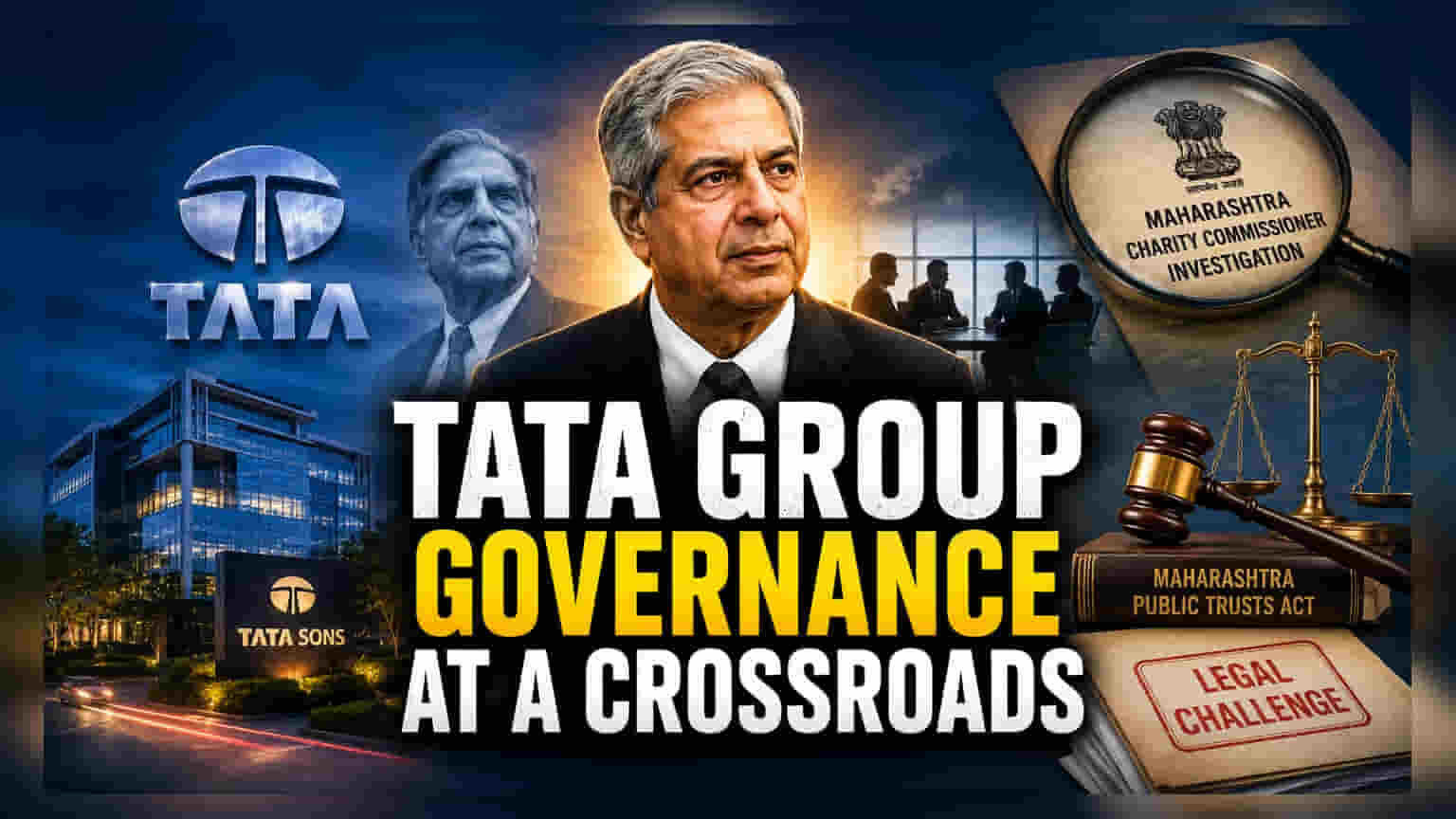


The Shift in Strategic Direction
The ongoing review of group entities marks a definitive pivot for the conglomerate as it attempts to reconcile aggressive expansion with bottom-line results. Noel Tata, spearheading these efforts, has shifted the institutional tone toward fiscal discipline, specifically demanding a rigorous justification for capital allocation in high-burn, emerging ventures. This move reflects a broader investor desire for operational efficiency within the group, particularly as legacy manufacturing and service units face margin pressure from intensified domestic and international competition.
Governance and Regulatory Headwinds
Beyond internal strategy, the institution is navigating a precarious legal environment. The Maharashtra Charity Commissioner’s investigation into the structural integrity of the boards of the Sir Ratan Tata Trust and related entities has created a vacuum of uncertainty. At the core of this dispute is the legal interpretation of permanent trustee appointments, which critics claim violates the Maharashtra Public Trusts Act. Should the Commissioner rule against current structures, the group may face significant pressure to reorganize its leadership, potentially stalling decision-making at the Tata Sons level where these trusts maintain dominant control.
The Forensic Risk Assessment
Investors must weigh these governance failures against the group's historical stability. The recent petition by Mehli Mistry, a former trustee, specifically targets the intersection of remuneration and oversight, raising critical questions regarding potential conflicts of interest. The allegation that certain trustees receive compensation for roles that overlap with their fiduciary duties to the Trusts creates a narrative of institutional entrenchment that may deter institutional investors seeking transparent corporate governance. While the conglomerate has historically maintained a reputation for ethical stewardship, these persistent legal challenges regarding breach of duty suggest a growing rift between legacy management practices and modern regulatory expectations.
Institutional Outlook and Market Sentiment
While the current focus remains on internal restructuring, the market remains wary of how these boardroom battles might influence group company performance. Any sustained regulatory intervention could impact the stability of Tata Sons, which serves as the holding company for the group’s diverse portfolio. Analysts are watching the upcoming Tata Sons board meeting for clear signals of leadership unity. If the group successfully navigates the regulatory findings by clarifying the dual-role compensation structures, it may mitigate reputational damage. Conversely, a failure to address these governance gaps could lead to increased intervention from state regulators, complicating the long-term capital strategy for the entire Tata ecosystem.