

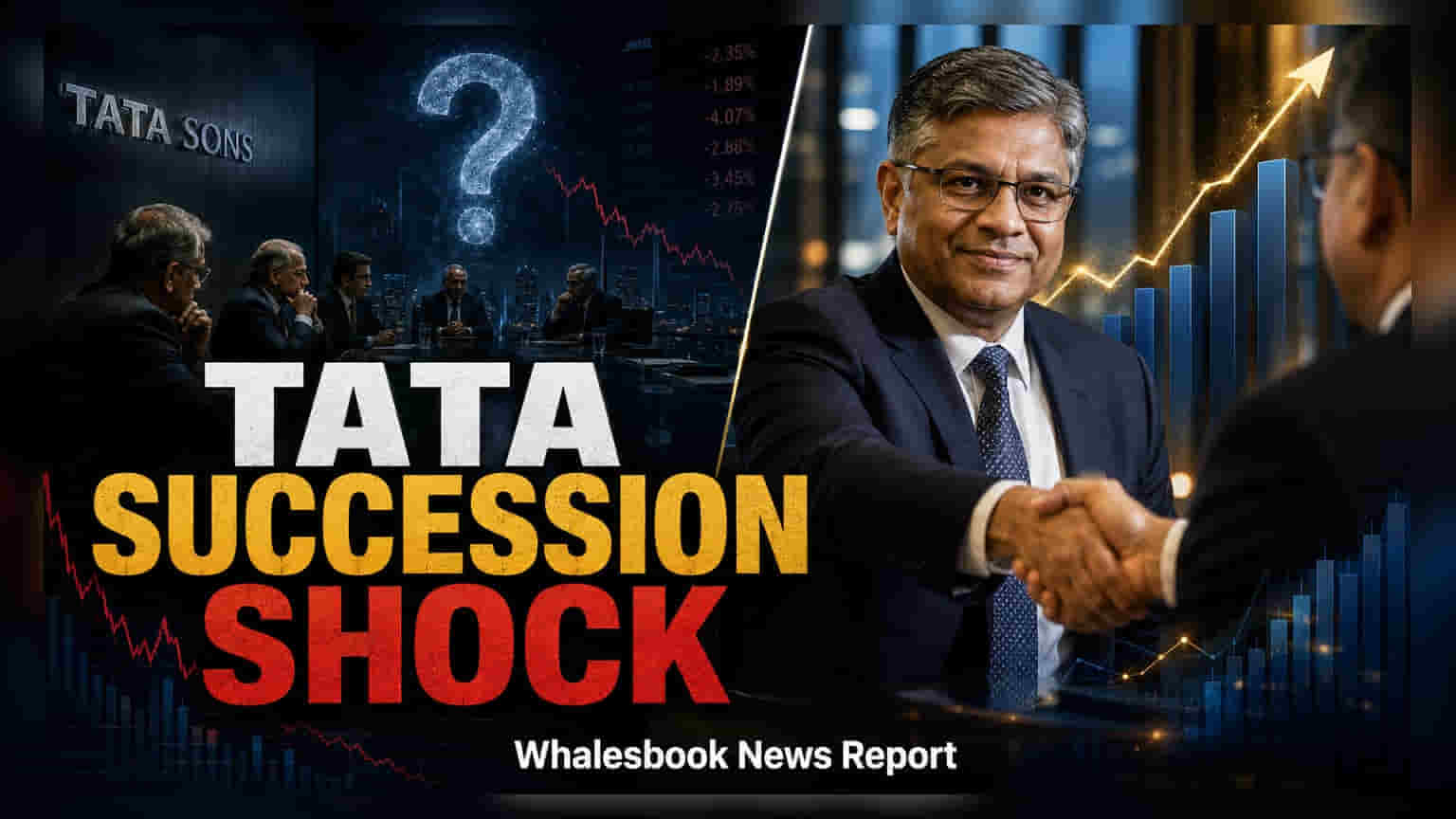
Tata Sons Chairman N. Chandrasekaran has announced he will not seek another term, with his tenure ending February 20, 2027. The news follows months of internal strategy disagreements, causing a ₹46,000 crore drop in the market value of group stocks. Investors are now focused on the leadership transition and potential shifts in the group's capital spending approach.
N. Chandrasekaran, the long-standing Chairman of Tata Sons, has officially announced that he will not seek reappointment when his current term ends on February 20, 2027. This decision marks a significant turning point for one of India's largest business conglomerates, bringing an end to months of uncertainty regarding his future at the group.
The announcement follows a period of internal tension. Reports indicate that a six-month deadlock has existed at the board level since February 2026, when a proposal to extend his term failed to receive unanimous support. The friction reportedly stems from differing views on strategy between the Tata Sons board and the Tata Trusts, led by Noel Tata. The central point of disagreement involves the group’s capital allocation strategy, particularly regarding the aggressive funding of loss-making new ventures like Air India versus maintaining the stability of established cash-generating businesses.
The market reaction was swift, reflecting investor anxiety about the stability of the group's leadership. Shares of major Tata Group companies, including TCS and Tata Motors, faced selling pressure, with stocks declining up to 6% on the news. This movement resulted in a combined loss of approximately ₹46,000 crore in market value across listed group entities, as investors processed the implications of potential changes in future strategy.
Financially, the Tata Sons holding company remains in a strong position. In the latest financial year, FY26, the company reported a net profit of ₹31,961 crore, representing a 21.8% increase, and it currently operates as a debt-free entity. However, the operational risks associated with massive ongoing projects in aviation, semiconductors, and digital transformation remain a key factor for shareholders. The disagreement over whether to continue or scale back this capital spending is likely to be a primary focus for the incoming leadership.
The process to select the next chairman is governed by the group's Articles of Association, which require the formation of a five-member selection committee. This process is currently complicated by ongoing governance and regulatory hurdles involving the Tata Trusts, including directives from the Maharashtra charity commissioner that have impacted trustee meetings. These constraints add a layer of complexity to what is already a high-stakes transition.
For investors, the immediate monitorables include the formation and progress of the selection committee, any interim leadership decisions, and clues regarding the group's future capital allocation policy. Whether the group maintains its current pace of expansion or shifts toward a more conservative approach to spending will be the most significant factor impacting group performance in the coming years.