

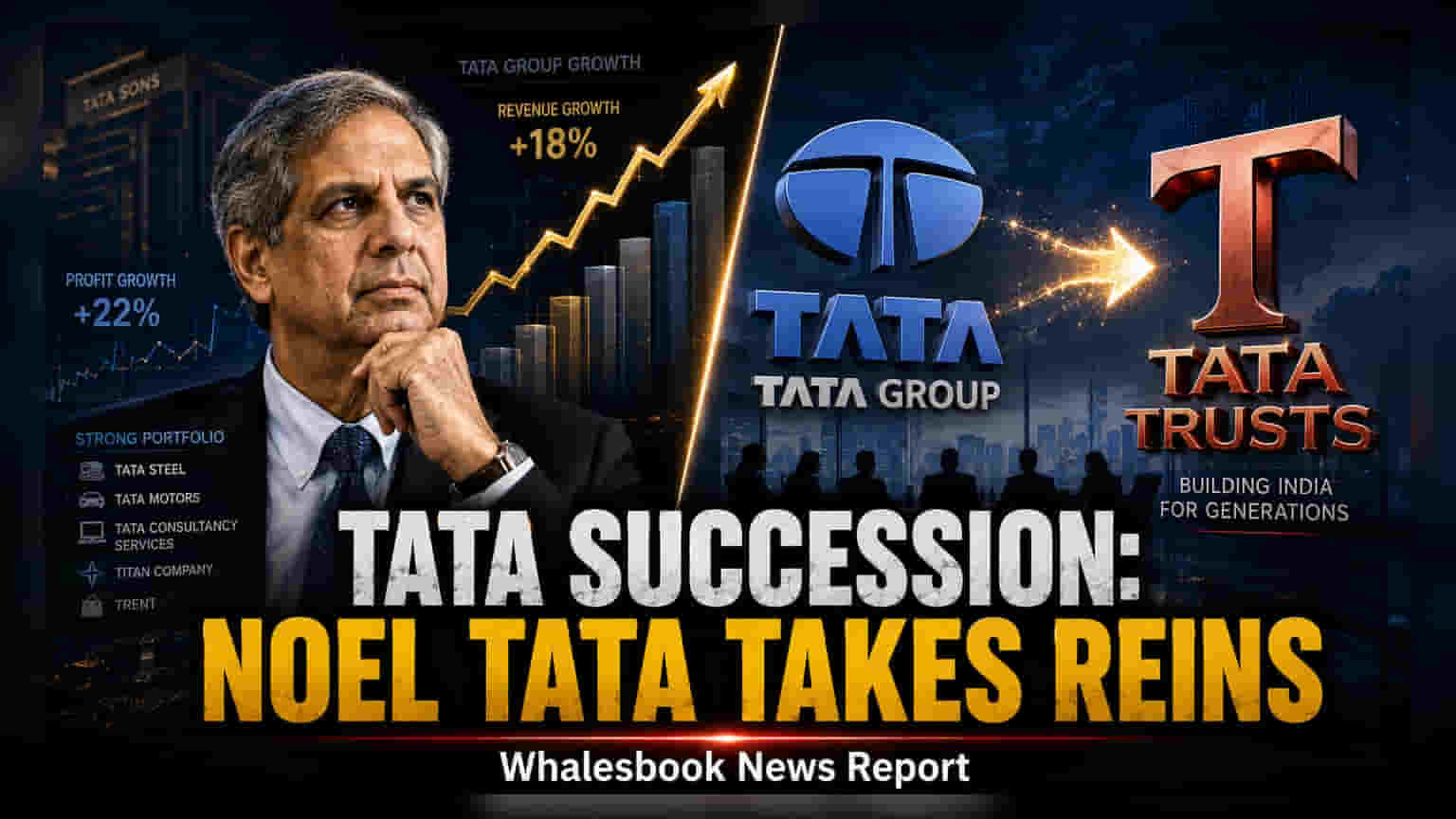
N. Chandrasekaran will not seek a third term as Chairman of Tata Sons when his current tenure ends in February 2027. The search for a successor is now underway, led by the Tata Trusts, which own 66% of the group's holding company. This leadership transition follows internal discussions regarding capital allocation strategies for new, capital-intensive business ventures.
N. Chandrasekaran is set to depart as the Chairman of Tata Sons on February 20, 2027, having decided against seeking a third term. This transition marks a significant moment for the Tata Group, as the search for new leadership begins at the helm of the holding company that governs major entities such as Tata Steel, Tata Motors, and Tata Consultancy Services.
The decision comes after a period of internal dialogue within the group’s governance structures. Reports indicate that the decision follows a lack of unanimous board support for a further term. A key aspect of the ongoing transition involves the role of the Tata Trusts, which act as the philanthropic arm of the group and hold approximately 66% of the equity in Tata Sons. Noel Tata, who serves as the Chairman of the Tata Trusts, is expected to play a central role in the selection process for the next chairman.
Strategic Direction and Capital Allocation
Investors are tracking this transition closely because Tata Sons acts as the central strategic decision-maker for the entire group. In recent months, internal discussions have surfaced regarding the group’s capital allocation—how it chooses to spend its cash and investments. The group has embarked on several large-scale, capital-intensive projects, including the revitalization of Air India, entry into the semiconductor manufacturing space, and expansion of the digital services business.
Some stakeholders have raised questions regarding the pace and scale of spending on these newer ventures compared to the group's established cash-generating businesses. Balancing the need for long-term growth in new technology and service sectors with the objective of maintaining strong balance sheets remains a critical challenge for the group’s leadership.
Upcoming Retirement Constraints
Beyond the change at the top, the leadership transition is further complicated by existing governance policies. Noel Tata is set to retire from the boards of several major Tata companies, such as Trent, in November 2026 due to the group’s mandatory retirement age policy for non-executive directors. This approaching deadline adds a layer of complexity to the timing and structure of the succession process.
The primary monitorable for investors and stakeholders in the coming months will be the identification of the successor and the clarity provided on the group’s long-term strategy. The continuity of leadership and the direction of capital spending will be the most important factors influencing the market’s perspective on the group’s future growth.