

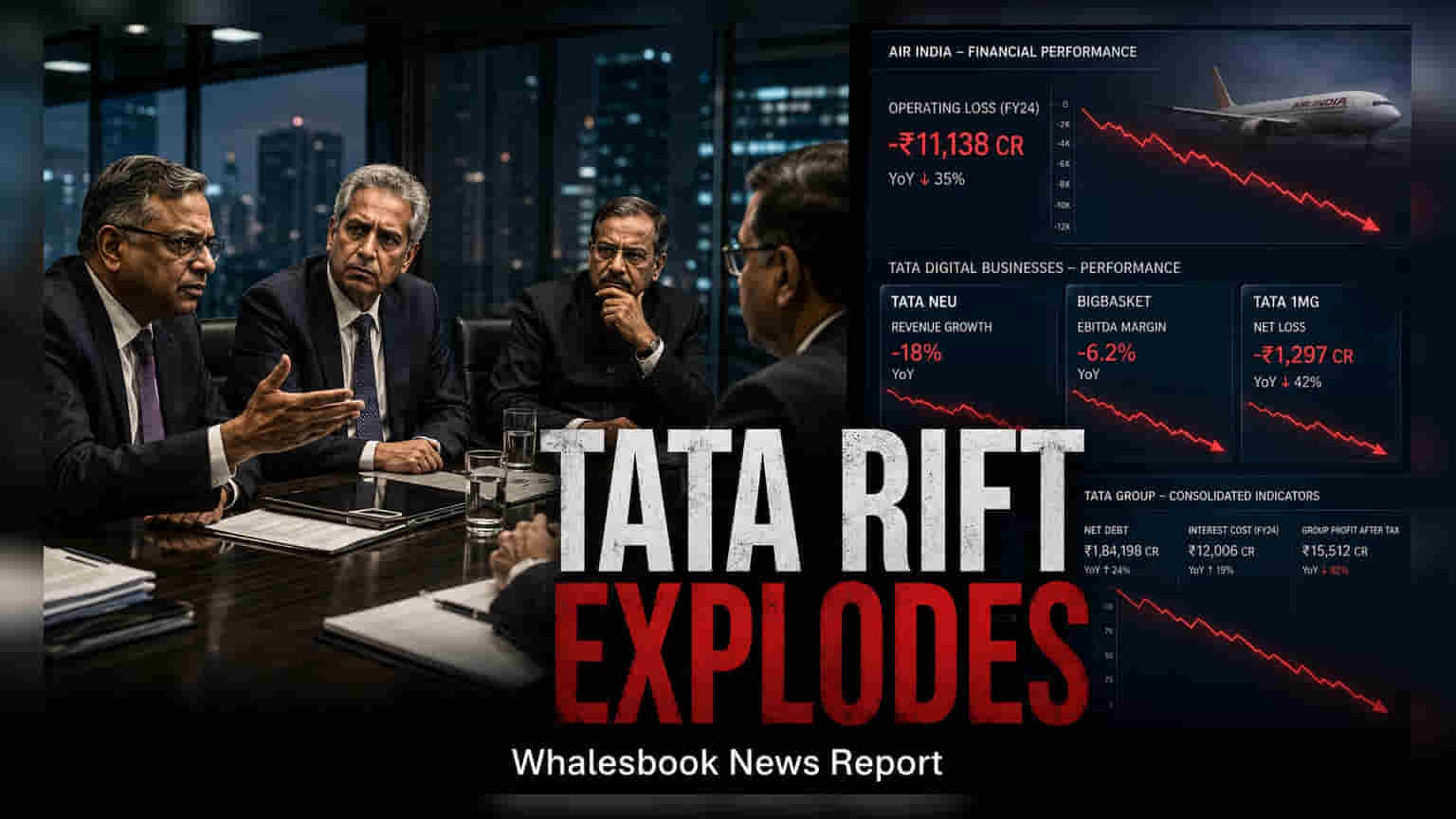
N. Chandrasekaran has announced he will not seek another term as Tata Sons Chairman when his current tenure ends on February 20, 2027. This decision follows internal disagreements regarding the group's strategic direction and a lack of unanimous board support. Investors are now focused on the succession process and the stability of the conglomerate's high-growth ventures.
N. Chandrasekaran, the Chairman of Tata Sons, will step down from his role when his current term expires on February 20, 2027. The decision comes after a period of internal friction within the conglomerate, marked by a lack of unanimous board support for his reappointment. N. Chandrasekaran has led the group through a significant phase of expansion since he took over the reins in 2017.
The internal rift primarily centers on strategic differences between Chandrasekaran and Tata Trusts Chairman Noel Tata. According to reports, the disagreements involve the group's aggressive push into new, capital-intensive business areas. Key points of contention include the financial performance of Air India, the development of digital platforms, and the group's large-scale semiconductor manufacturing initiatives. These ventures require substantial capital, and the disagreement highlights differing views on the group's risk appetite and long-term financial strategy.
Government Briefings and Governance
The depth of the internal divide was illustrated by the unusual move of both Chandrasekaran and Noel Tata separately briefing government officials about the situation. While the government has maintained a neutral stance, describing the matter as an internal issue for the Tata Group, such engagement reflects the systemic importance of the conglomerate in the Indian economy. For stakeholders, these briefings indicate that the leadership transition is not just a corporate board matter but one that could have broader implications for the group's operations.
Investor and Strategic Outlook
For investors, the primary concern remains leadership stability and the continuity of the group’s strategic direction. The Tata Group has been aggressively investing in new sectors like semiconductors and expanding its digital footprint, which are vital for future growth but currently carry heavy financial costs. The disagreement over these investments suggests that the new leadership will need to balance aggressive expansion with financial prudence and sustainable profitability.
Tata Trusts, which holds a controlling 66% stake in Tata Sons, has formally initiated a succession process to identify a new chairman. The outcome of this selection process will be a critical monitorable for investors, as it will determine who will lead the group during this next phase of transformation and how they will address the existing friction over the group's ambitious growth plans.