

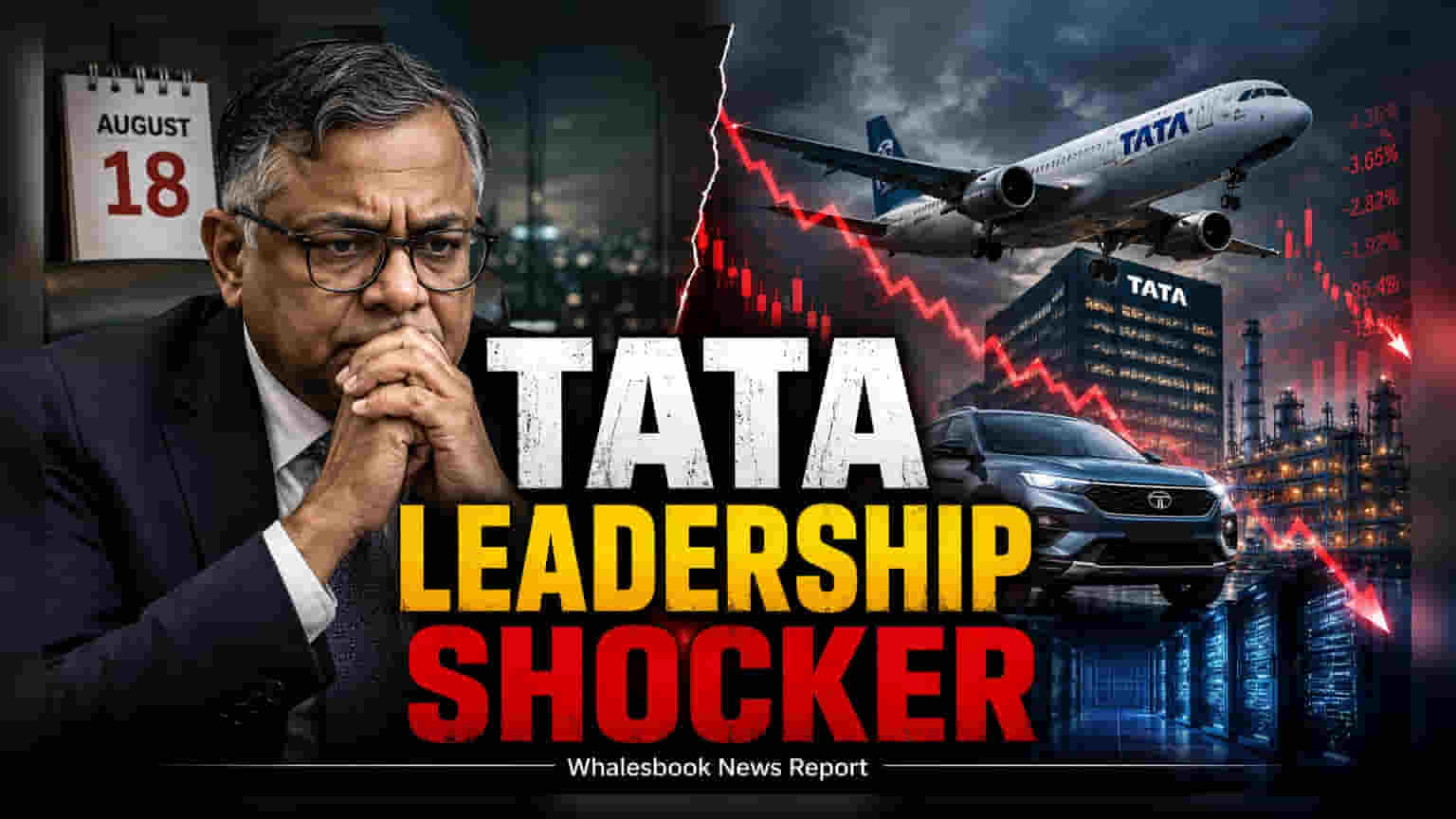
Tata Sons Chairman N. Chandrasekaran is reportedly considering resigning before the company's annual general meeting on August 18. This development follows internal disagreements regarding his reappointment and broader governance friction with Tata Trusts. Investors are monitoring the situation as it directly impacts the leadership of the $400-billion Tata conglomerate.
N. Chandrasekaran, the chairman of Tata Sons, has reportedly held discussions with close associates about the possibility of stepping down from his role. This uncertainty comes just days before the group's annual general meeting scheduled for August 18, 2026. At this meeting, shareholders are expected to vote on the renewal of his position as a director, a crucial step for his continuation as chairman.
The leadership of the Tata Group, a $400-billion conglomerate, has faced internal friction recently. Reports indicate tensions between the Tata Sons leadership and the board of Tata Trusts, which owns approximately 66% of the holding company. Tata Trusts is led by Noel Tata, and disagreements have reportedly surfaced regarding the performance of recent business ventures and the long-term strategic direction of the group.
Adding to the complexity is the regulatory environment facing the group's charities. The Sir Ratan Tata Trust (SRTT), a key entity under Tata Trusts, is currently dealing with restrictions from the Maharashtra Charity Commissioner, which have impacted its ability to hold board meetings. These regulatory hurdles create governance challenges that can influence how the group makes major decisions, including voting on leadership appointments.
Chandrasekaran, who took over as Tata Sons chairman in 2017 after a long tenure at Tata Consultancy Services, has overseen a period of massive transformation for the group. His leadership has been defined by aggressive expansion and integration, including the acquisition of Air India and attempts to turn around complex operations at Jaguar Land Rover. However, these ambitious moves have also come with significant operational demands, regulatory scrutiny, and pressure to deliver consistent returns.
The board of Tata Sons had previously deferred a decision regarding his reappointment in February 2026, signaling that the current leadership debate is not entirely new. As the August 18 meeting approaches, the key monitorable for stakeholders will be whether the group reaches a consensus on his future. The outcome will clarify the leadership path for the conglomerate, which remains central to many sectors of the Indian economy.