

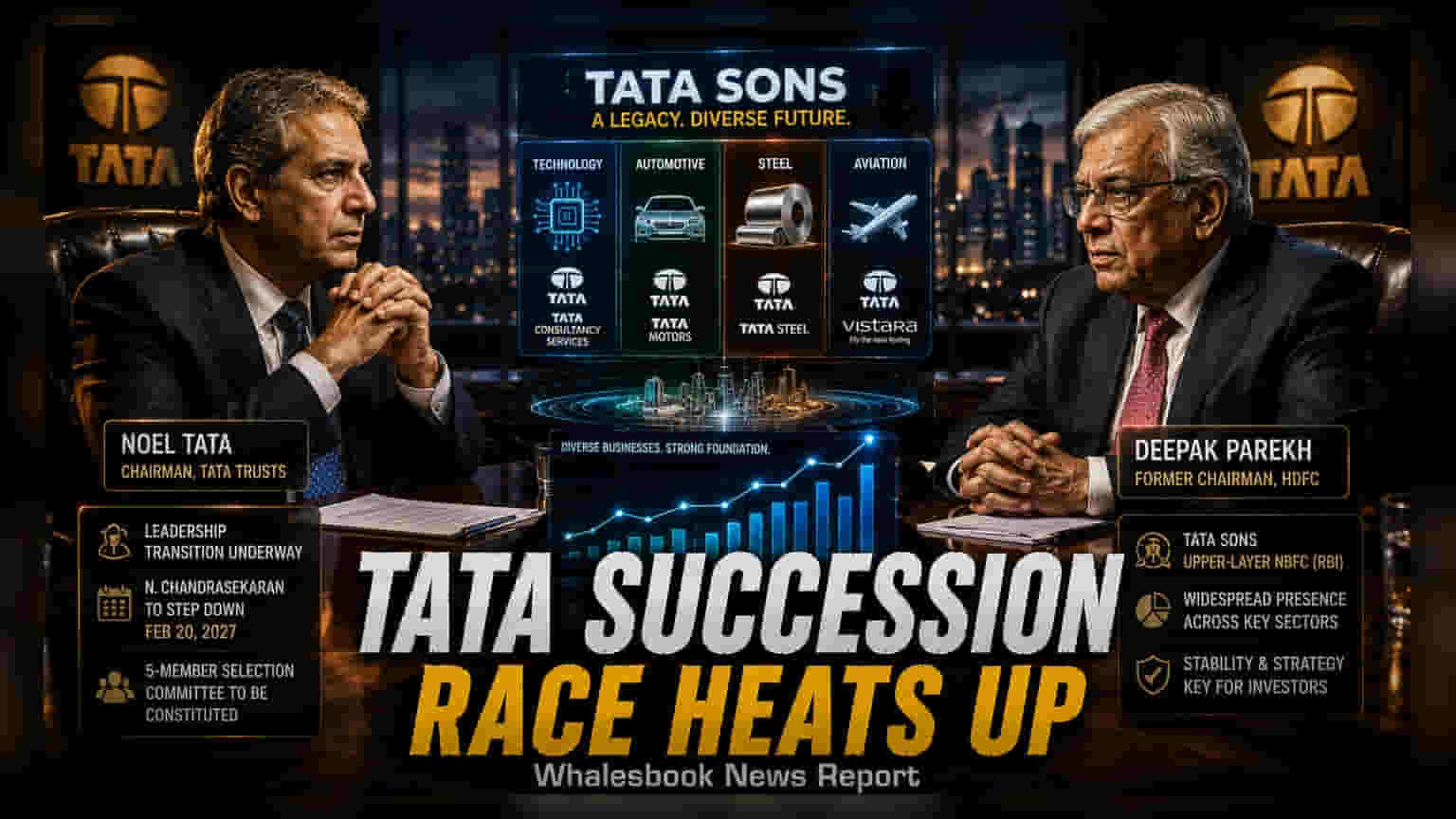
The hunt for a successor to Tata Sons Chairman N. Chandrasekaran is underway, with a formal selection committee process initiated. Following his decision not to seek another term, the group is now navigating a leadership transition that stakeholders are monitoring for long-term stability and governance clarity.
The formal process to appoint the next chairman of Tata Sons has officially begun, following N. Chandrasekaran’s decision not to pursue another term. Mr. Chandrasekaran, who has led the group since 2017, will step down on February 20, 2027, triggering a structured leadership transition within the conglomerate.
To manage this change, the group is initiating a selection process mandated by Article 118 of the company’s Articles of Association. This regulation requires the formation of a five-member selection committee to identify and recommend a successor. Recent discussions have moved from planning to execution, with Tata Trusts Chairman Noel Tata holding meetings with key figures, including former HDFC Chairman Deepak Parekh and lawyer Darius Khambata, to discuss the committee's composition and the path forward.
The search for new leadership follows a period of internal governance challenges. Reports indicate that Mr. Chandrasekaran’s previous reappointment faced obstacles, as it failed to secure unanimous board support, leading to a period of impasse. This governance friction was highlighted further when the Tata Sons Annual General Meeting, originally scheduled for August 18, 2026, was adjourned due to a lack of quorum. This postponement led to a temporary delay in the distribution of dividends, impacting the philanthropic Tata Trusts that hold a majority stake in the group and depend on these inflows.
For investors, the primary monitorable is how the group navigates this transition while maintaining its business momentum. Tata Sons acts as an investment holding company for the wider Tata Group and is currently classified by the Reserve Bank of India as an upper-layer non-banking financial company. This classification and the conglomerate's diverse portfolio—ranging from software and steel to aviation and consumer goods—make leadership stability a critical factor for market confidence. The selection committee’s composition and its eventual recommendation will be the most significant indicators of the group's future strategic direction.
As the succession process continues, the market will likely track updates regarding the formal constitution of the selection committee. Additionally, investors may observe how the company resolves the procedural issues that led to the recent AGM adjournment and dividend delay. The focus remains on ensuring a smooth handover that preserves the stability of the various group entities, given the conglomerate's significant presence across the Indian economy.