

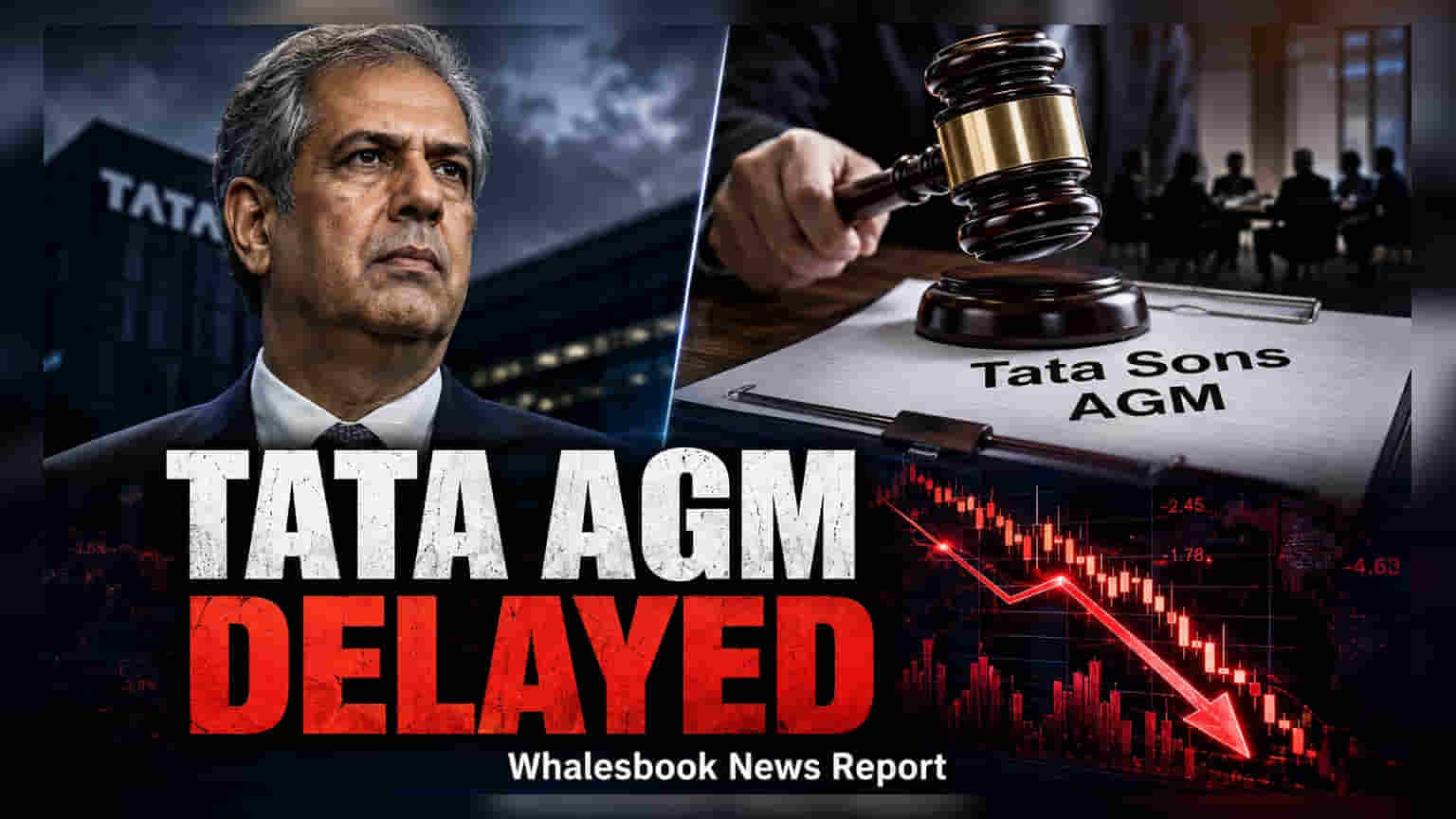
The Tata Sons Annual General Meeting scheduled for August 18, 2026, faces a potential delay. A restriction by the Maharashtra Charity Commissioner on the Sir Ratan Tata Trust (SRTT) prevents it from nominating a required representative for the meeting's quorum. This procedural hurdle may postpone key agenda items, including leadership transition discussions involving Chairman N. Chandrasekaran.
The Annual General Meeting (AGM) of Tata Sons, the holding company for the multi-billion dollar Tata Group, is facing a potential deferment. The meeting, which was set for August 18, 2026, is currently stalled due to an internal governance deadlock at the Sir Ratan Tata Trust (SRTT). This situation stems from a regulatory restriction that has effectively halted the trust’s ability to perform its mandatory board duties.
At the core of the issue is the requirement for a valid quorum to conduct the AGM. According to Article 86 of the Tata Sons Articles of Association, the meeting must include a representative who is jointly nominated by the Sir Ratan Tata Trust (SRTT) and the Sir Dorabji Tata Trust (SDTT). Collectively, these two trusts hold approximately 66% of Tata Sons. Currently, the SRTT is barred by the Maharashtra Charity Commissioner from holding board meetings while an inquiry into its trustee composition—specifically regarding limits on lifetime trustees—remains ongoing. Because the SRTT cannot convene its board, it is unable to finalize the joint nomination required to satisfy the quorum rules.
For investors and market participants, the significance of this AGM lies in the agenda, which includes the reappointment of Chairman N. Chandrasekaran. Although Mr. Chandrasekaran has previously announced his intention not to seek reappointment when his term concludes in February 2027, the formal processes regarding his current directorship and other key business resolutions are tied to the AGM proceedings. While the day-to-day operations of the various listed Tata Group entities, such as Tata Consultancy Services and Tata Motors, remain independent of this holding company level issue, governance uncertainty at the parent company level is a factor that shareholders often monitor closely.
The regulatory restriction on the SRTT highlights the complexities involved in managing large charitable trusts that hold controlling stakes in major corporate groups. The Charity Commissioner's inquiry is a legal matter that must be resolved before the trust can resume standard decision-making functions. Until the permission to hold a board meeting is granted, or an alternative solution is identified to meet the quorum requirements, the company may be forced to adjourn or reschedule the AGM.
The key monitorable for investors and stakeholders in the coming days will be the official communication from Tata Sons regarding the status of the August 18 meeting. Whether the company proceeds with the meeting only to adjourn it due to a lack of quorum, or issues a formal deferment notice, will determine the immediate path forward for the pending agenda items, including the reappointments and the broader leadership transition roadmap.