 Whalesbook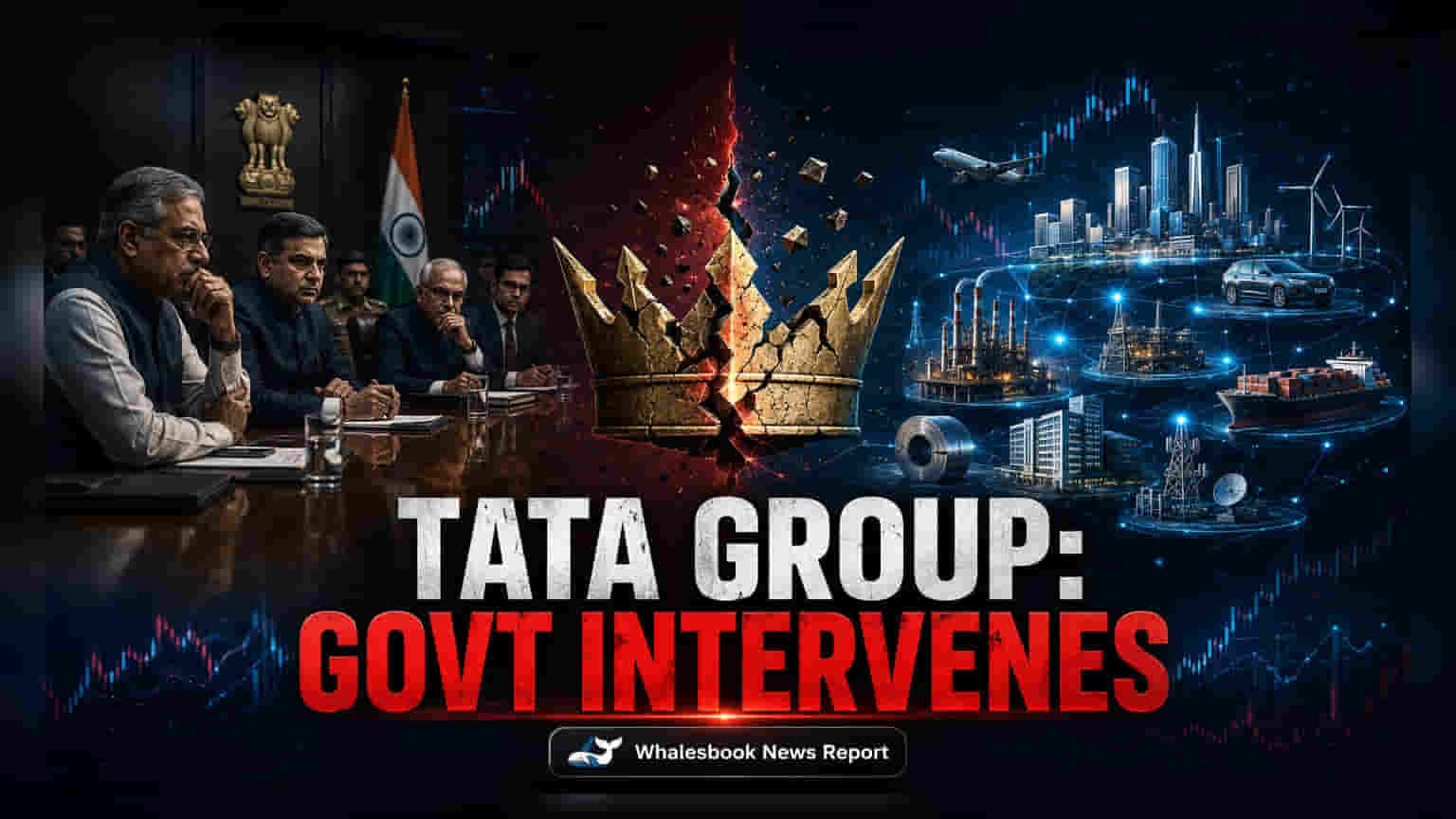


Government Intervention in Tata Group's Affairs
The Indian government has stepped in to manage potential systemic risks arising from internal friction within the Tata Group. While the conglomerate states its core operations are unaffected, New Delhi sees the disputes between Tata Trusts and Tata Sons as a threat to national economic goals. This intervention is driven by the group's crucial role in India's industrial strategy, particularly in the capital-intensive semiconductor sector and the ongoing restructuring of its aviation businesses. Key regulators, including the Reserve Bank of India, are closely watching the situation as the potential listing of Tata Sons, the parent holding company, becomes a compliance requirement.
Listing Mandate and Funding Needs
The requirement for Tata Sons to go public is no longer just an internal decision but a regulatory imperative. Current Reserve Bank of India (RBI) rules for large investment companies mandate a public debut within set timelines, clashing with those who prefer private ownership. Supporters of the listing, such as some trustees and the SP Group, believe public markets are essential for funding the billions needed for advanced technology manufacturing. Without access to public funds, the group risks regulatory penalties and losing ground in the global semiconductor race, where competitors are expanding rapidly.
Succession Uncertainty Creates Risk
Leadership continuity is a major concern for the group's future. N Chandrasekaran's current term ends in February 2027, and his potential for a third term has become a focal point for internal disagreements. Although Tata Trusts initially supported another term, growing opposition on the board signals a weakening of the consensus that has underpinned the group's recent stability. This uncertainty compels institutional investors to factor in higher risk for Tata-linked stocks, anticipating potential leadership gaps if a clear succession plan isn't agreed upon during the upcoming June meetings.
Overextension and Financial Risks
From a cautious viewpoint, the Tata conglomerate shows signs of expanding too rapidly. While companies like Tata Consultancy Services remain strong cash generators, the capital required for its automotive, aviation, and semiconductor ventures is escalating. The lack of internal agreement hinders the group's ability to sell assets or raise capital effectively, potentially squeezing profit margins. Moreover, failing to comply with RBI directives on the holding company's structure could limit access to credit, jeopardizing long-term infrastructure projects. Investors should expect increased stock volatility for Tata-linked companies as the June meetings approach, especially if no clear direction on leadership or funding emerges.