

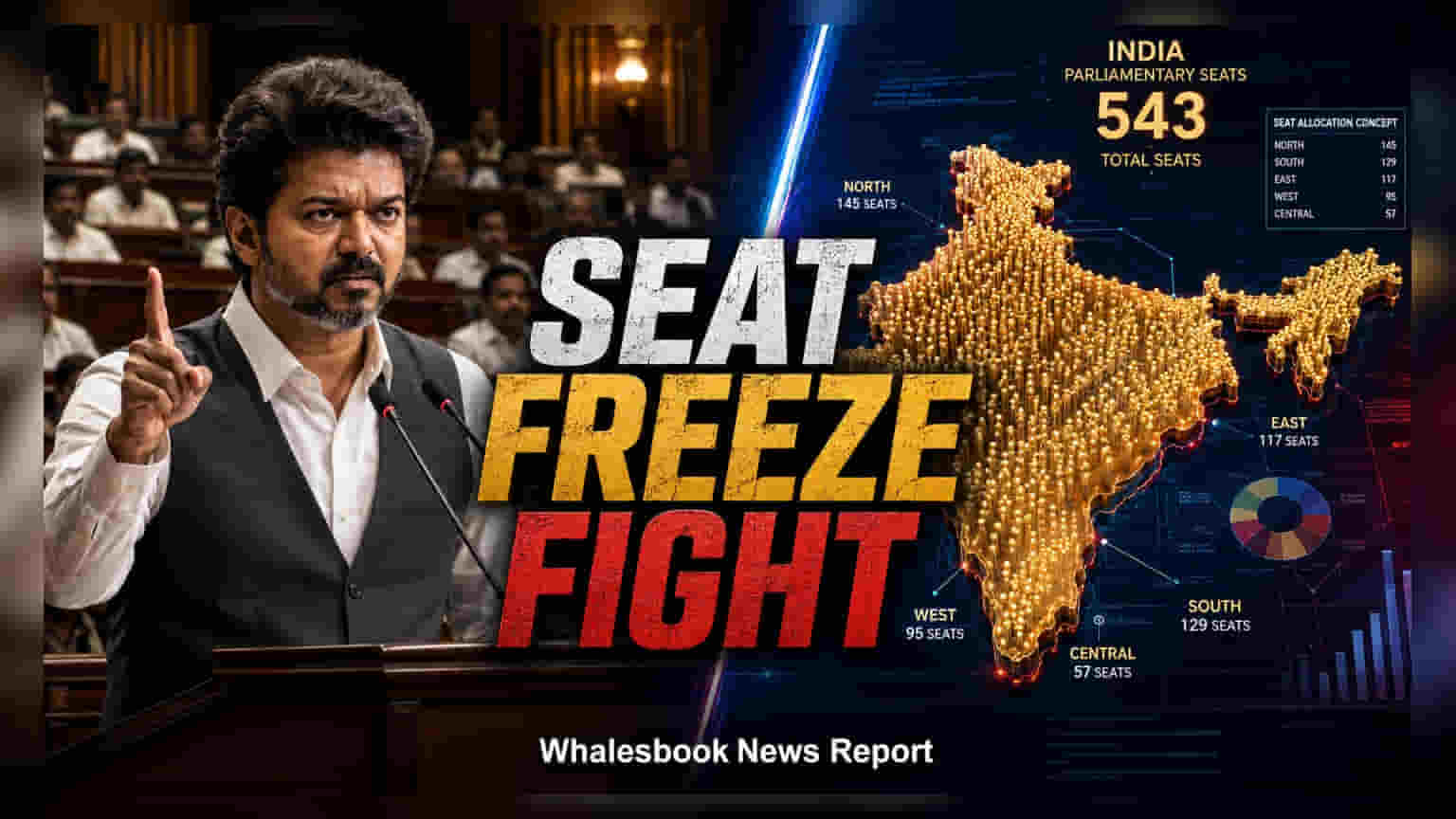
Tamil Nadu Chief Minister C. Joseph Vijay is set to table a resolution to permanently freeze Lok Sabha seat distribution at 543. The move aims to protect Southern states' political representation against future population-based delimitation. While the government claims this safeguards regional interests, major opposition parties have boycotted the initiative, labeling it a political distraction.
Tamil Nadu Chief Minister C. Joseph Vijay has announced plans to introduce a formal resolution in the state Assembly to permanently lock the total number of Lok Sabha seats at 543. The initiative seeks to maintain the existing distribution of parliamentary seats among states, arguing that a fresh delimitation exercise based on newer census data could disproportionately reduce the political influence of Southern states. These states have successfully implemented population control measures and welfare programs over the decades, and the government contends they should not be penalized with lower representation.
In addition to the seat freeze, the resolution proposes that the current ratio between Lok Sabha and Rajya Sabha seats be maintained at 2.2:1. The administration is also calling for the immediate implementation of a 33% reservation for women in the 2029 general elections, urging that this quota be applied to the current parliamentary strength rather than awaiting a potentially contentious redrawing of constituencies.
For investors and market observers, political developments in major states like Tamil Nadu often carry implications for federal-state relations and governance stability. Legislative friction between the state and the Union government can sometimes create an environment of policy uncertainty, which is a factor institutional investors typically monitor. A push against national-level delimitation exercises indicates a growing focus on regional autonomy, which may influence future policy negotiations, project clearances, or infrastructure planning if political tensions between the state and the Center escalate.
The proposed move has faced significant criticism from the state's main political parties. The DMK, AIADMK, and other allies boycotted a recent all-party meeting convened by Chief Minister Vijay to discuss the matter. Opposition leaders have characterized the entire exercise as a 'political drama' designed to divert public attention from pressing state issues, such as the ongoing Cauvery-Mekedatu water sharing disputes and other legislative concerns. This internal political polarization may lead to a challenging environment for passing critical state legislation or reaching consensus on key development projects.
The next steps involve the formal debate and tabling of the resolution in the state Assembly. Investors will be watching for the intensity of the debate and whether this push for a legislative freeze gains traction among other states facing similar demographic concerns, or if it remains confined to the current political landscape in Tamil Nadu.