

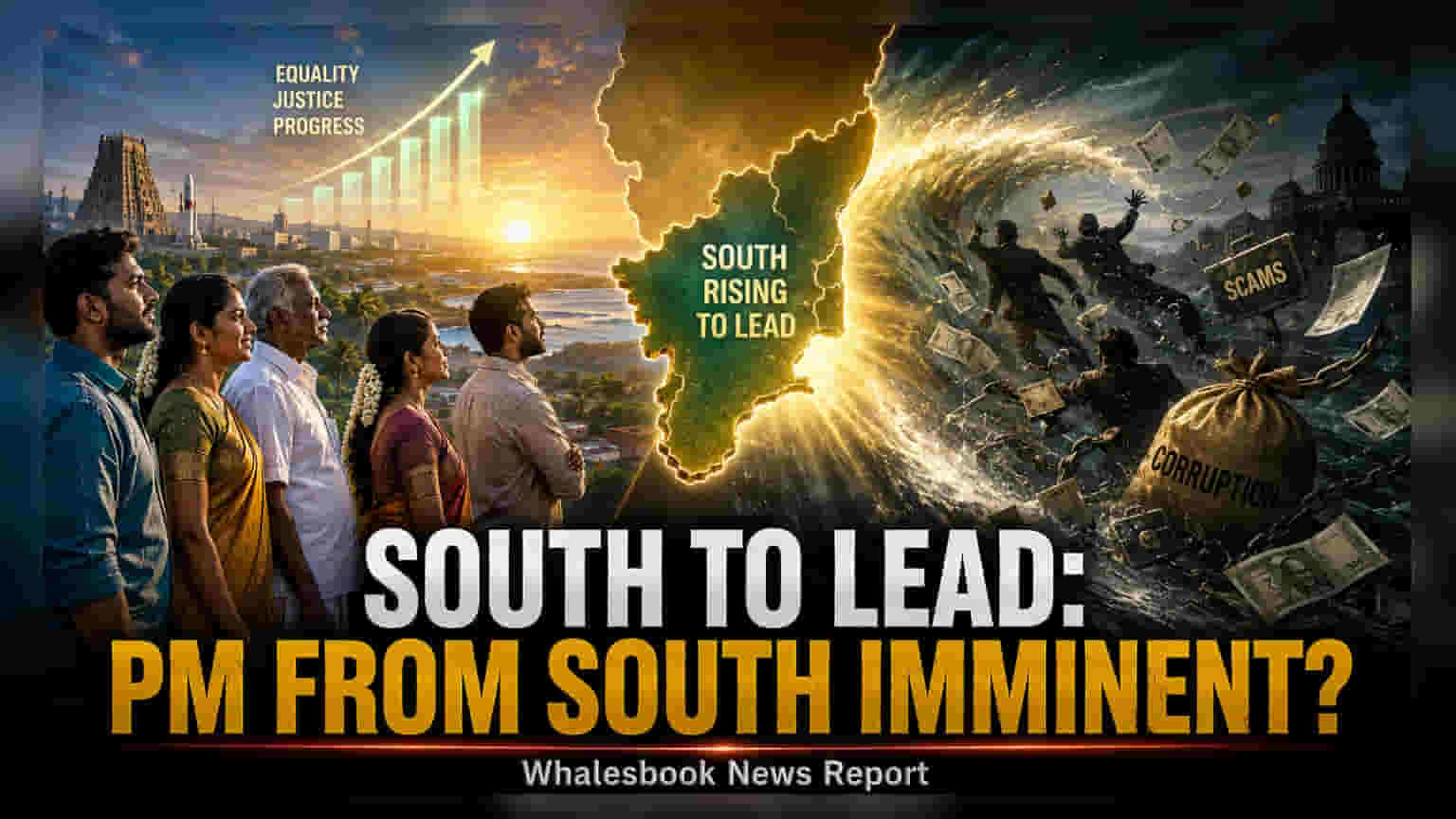
Tamil Nadu Minister Aadhav Arjuna stated that a Prime Minister from Southern India is inevitable, linking the demand to the current administration's focus on social justice and anti-corruption reforms. The remarks, made during an assembly debate on delimitation, underscore the ruling Tamilaga Vettri Kazhagam party's governance agenda.
Tamil Nadu Public Works and Sports Minister Aadhav Arjuna has stated that a Prime Minister representing South India is inevitable in the future. His comments, made during a state assembly debate concerning the delimitation exercise, reflect a broader political shift that he described as a revolution rooted in Dravidian principles of equality and social justice.
Minister Arjuna, who serves as the General Secretary for Election Campaign Management of the ruling Tamilaga Vettri Kazhagam party, emphasized that the current political discourse in Tamil Nadu is increasingly centered on governance and transparency. He highlighted that the administration is prioritizing a zero-tolerance policy against corruption, aiming to reform administrative processes to ensure clean governance.
From a governance perspective, the Minister's focus on anti-corruption measures is a significant monitorable for the state's administrative landscape. The current government, led by Chief Minister C. Joseph Vijay, has campaigned on a platform of strengthening institutional integrity. For observers tracking regional administrative stability, the emphasis on reducing systemic corruption is often viewed as a key factor in improving the long-term ease of doing business and governance efficiency.
However, the political environment remains complex. The Minister’s remarks also addressed the ongoing debate regarding delimitation, which touches on the sensitive issue of federalism and the distribution of political representation between northern and southern states. This ongoing discussion, coupled with the ruling party's stated ambitions, may lead to continued friction between the state government and central authorities regarding policy priorities, funding allocations, and legislative implementation.
Investors and observers often track such political shifts as they can influence the long-term regulatory environment. The commitment to a corruption-free administration, if successfully executed, could strengthen institutional frameworks in the state. Conversely, the challenge for the administration will be balancing these ideological and reform-oriented goals against day-to-day administrative hurdles and political opposition that is actively monitoring the government's performance.
The next important developments for stakeholders to track will be the practical implementation of these anti-corruption reforms and how the state navigates the ongoing national debates on delimitation. These factors are likely to define the political and administrative climate in Tamil Nadu in the coming months.