 Whalesbook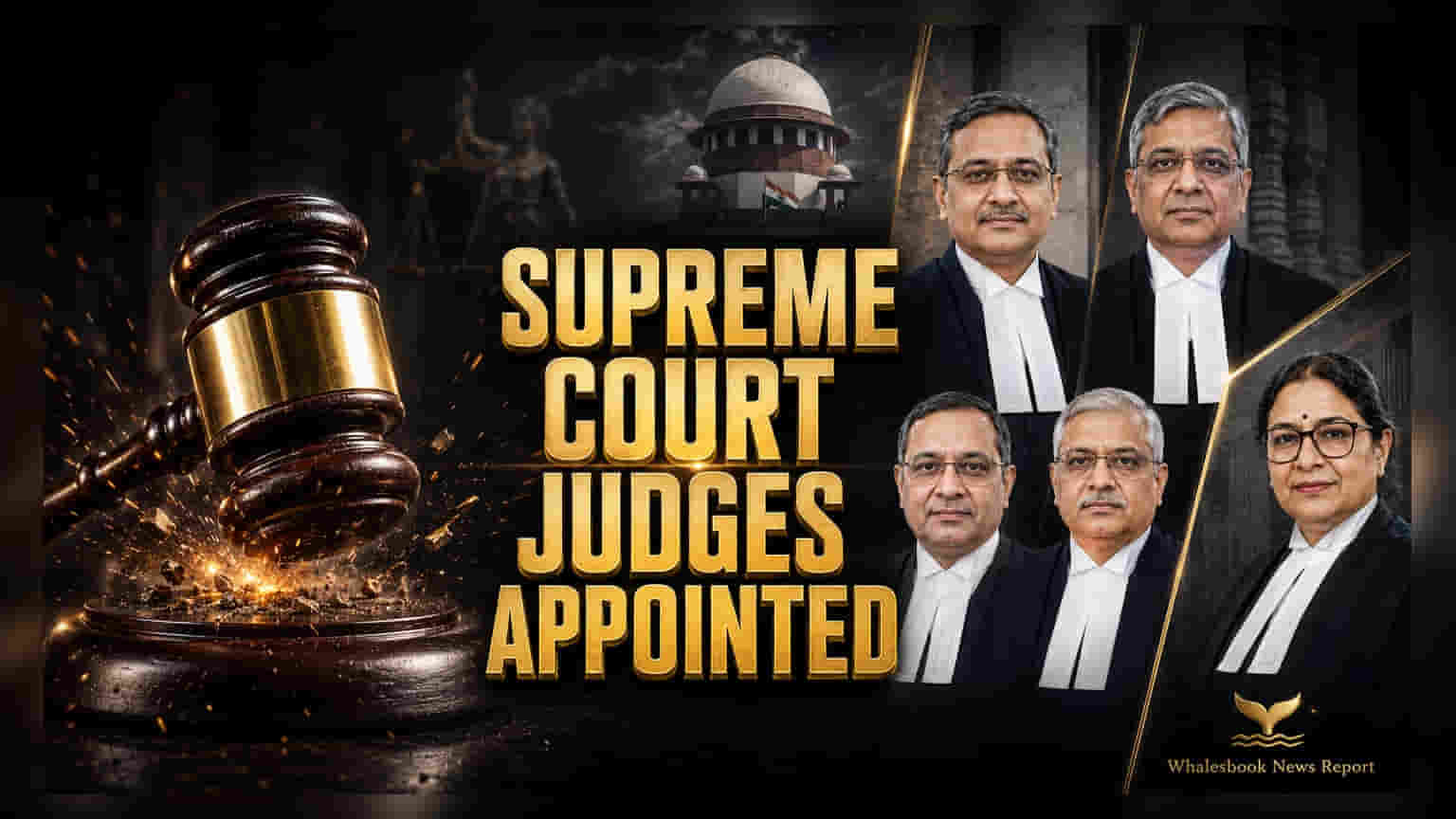


Balancing Court Leadership
The Supreme Court Collegium's recent proposal to elevate four High Court Chief Justices and a prominent senior advocate signals a deliberate strategy. It seeks to maintain institutional continuity while also incorporating the practical experience of active legal practitioners. The selection of Chief Justices Nagu, Chandrashekhar, Sachdeva, and Palli highlights a focus on judges experienced in managing state-level judicial systems. This administrative expertise is crucial for the Supreme Court as it works to clear its significant case backlog and improve judicial efficiency.
Bringing Bar Experience to the Bench
The nomination of Senior Advocate V Mohana stands out as a direct elevation from legal practice, differing from the typical promotion path of judges. Such appointments are historically used to enrich the court's intellectual diversity, injecting a litigator's perspective on current legal challenges. This approach can lead to a stronger synthesis of judicial administration and real-world courtroom dynamics, potentially shaping future rulings on civil rights and gender equality issues.
Appointment Process and Potential Delays
These recommendations, made on May 22 and May 27, require final approval from the executive branch. The relationship between the Collegium and the government has often seen delays in appointments. Such delays can create vacancies in senior judicial positions, placing further strain on the High Courts that are losing their chief justices. Prompt action by the government is essential to prevent a ripple effect of vacancies in regional courts.
Systemic Considerations and Judicial Culture
Some observers criticize the Collegium's selection process for its perceived lack of transparency, suggesting that a strong emphasis on seniority and administrative background might lead to a less diverse judicial culture. The inclusion of figures like Justice Sheel Nagu, known for handling sensitive internal inquiries, indicates a priority on individuals who can ensure institutional stability. However, this focus on experienced administrators may not satisfy demands for broader demographic or ideological representation. The speed of the government's confirmation process will also reflect the current state of relations between the judiciary and the executive.