

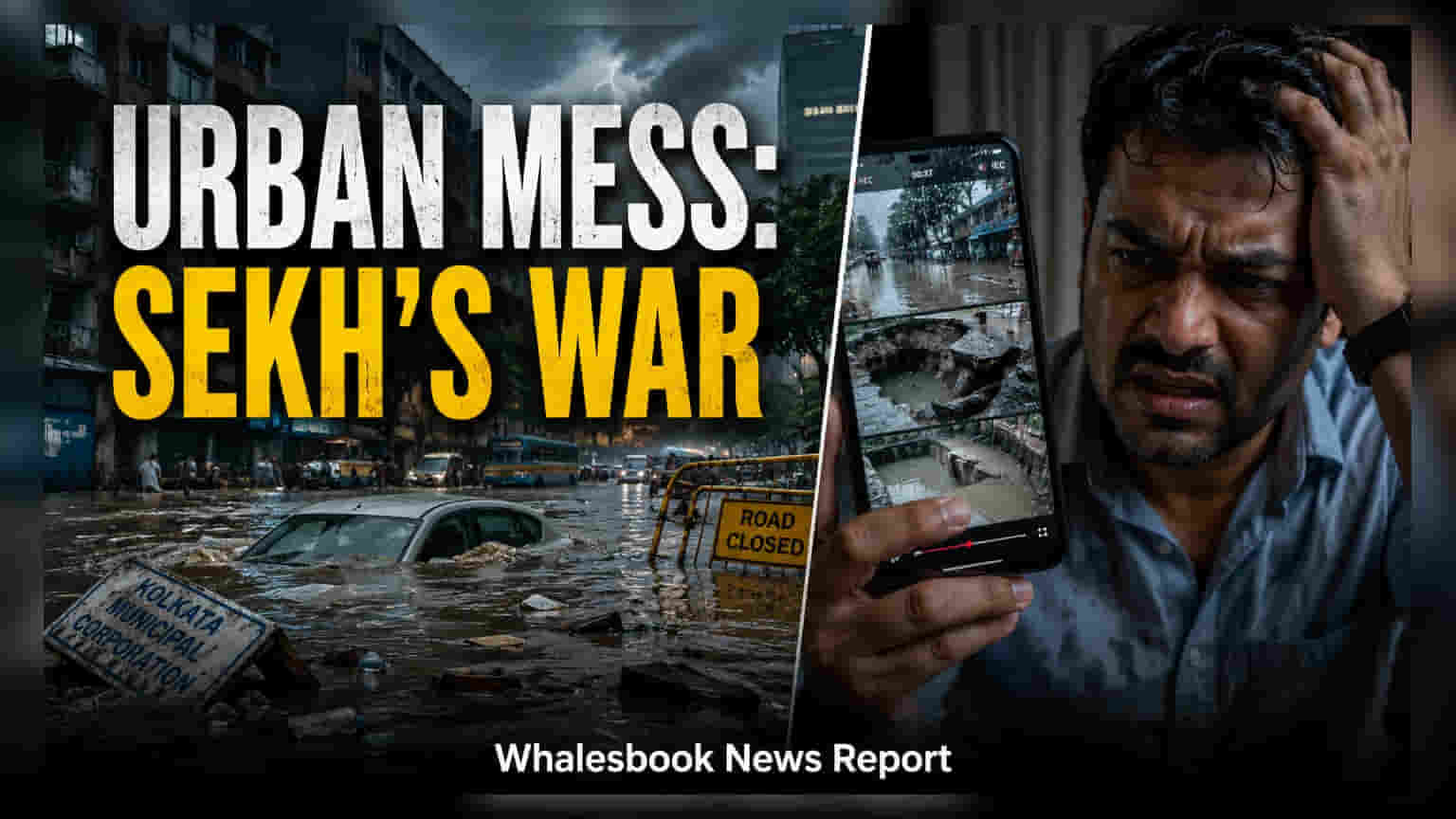
Marketing expert Suhel Seth has initiated a citizens' campaign to highlight urban infrastructure failures following severe flooding in Gurugram on August 7, 2026. The movement aims to use digital evidence to demand administrative accountability. For stakeholders, this reflects growing concerns over how infrastructure gaps impact urban productivity, business continuity, and real estate values in India’s major economic hubs.
Marketing professional Suhel Seth has launched a public initiative to document and highlight the deteriorating state of urban infrastructure in India. The campaign was triggered by severe flooding in Gurugram on August 7, 2026, which caused widespread traffic disruption and stranded commuters. The initiative urges citizens to use platforms like WhatsApp to share photographic and video evidence of civic negligence, such as waterlogged streets and crumbling infrastructure, with the goal of holding local administrations accountable for urban maintenance.
While this is a social advocacy movement and not a corporate entity, the issues raised carry significant weight for business stakeholders and urban planners. Efficient infrastructure is a critical component of economic productivity. Frequent disruptions caused by poor drainage, inadequate road quality, or traffic congestion act as hidden costs for businesses. These conditions can hinder employee productivity, disrupt logistics, and affect the operational efficiency of commercial hubs, such as those found in Gurugram and other major Indian cities.
For the real estate and corporate sectors, urban infrastructure is a vital component of long-term value. Property developments in major city centers, including residential projects and IT parks, rely heavily on reliable civic services. Persistent issues like flooding can influence investor sentiment toward specific geographies, as accessibility and urban maintenance are primary factors when businesses and individuals evaluate real estate investments or operational locations.
The movement has gained traction on social media, receiving public support from prominent figures like Biocon founder Kiran Mazumdar-Shaw and angel investor Lloyd Mathias. Their endorsement highlights a growing consensus among industry leaders that sustained administrative action is necessary to improve urban living conditions. Proponents of the campaign are drawing parallels to previous national initiatives, emphasizing that consistent policy implementation and accountability are required to move beyond temporary fixes for recurring problems.
The effectiveness of this campaign will depend on its ability to translate digital activism into tangible administrative response. In the context of broader urban development, stakeholders often monitor whether public pressure leads to improved budgetary allocation, faster project execution, or better maintenance cycles for critical city assets. The next phase for the movement will be observing how local authorities respond to the influx of citizen-provided data and whether this leads to measurable improvements in infrastructure resilience before the next monsoon season. For investors and business operators, the primary monitorable remains the long-term commitment to infrastructure quality in major economic zones, as this directly affects the viability and attractiveness of these urban centers.