

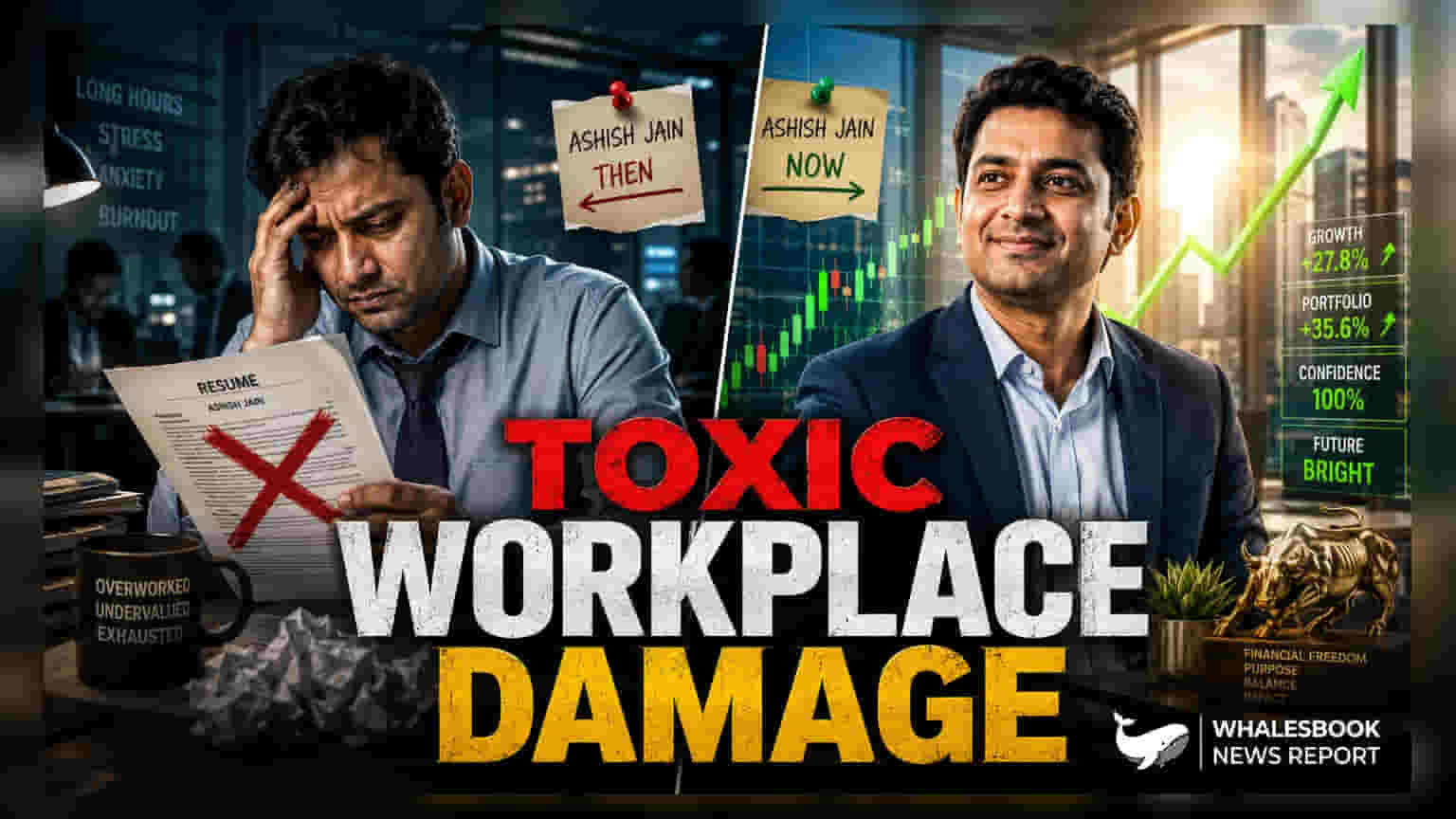
A widely discussed social media post by industry professional Ashish Jain emphasizes the long-term impact of toxic work environments on career growth. The discussion underscores why prioritizing mental well-being over job stability can be crucial for sustainable professional success. This perspective has prompted debate among working professionals regarding the hidden costs of staying in unsupportive organizational cultures.
A recent social media post by Ashish Jain has triggered a broader conversation among Indian professionals about the hidden costs of working in toxic organizational environments. Jain, who shared his career journey spanning various multinational companies and different industries, argued that staying in negative work settings can permanently damage a professional's potential and well-being.
Career Transitions and Management Challenges
Jain’s account included his experiences across multiple organizations where he encountered significant red flags, such as management inaction regarding internal concerns and leadership insecurities that reportedly hindered business negotiations. His experience highlights a common dilemma for employees: whether to remain in a role to avoid gaps on a resume or to prioritize mental health and professional growth by seeking a new environment. Despite warnings from industry peers that frequent job changes might be viewed negatively by future employers, Jain decided to transition between companies, eventually reaching leadership roles and successfully building new business verticals.
The Impact on Professional Development
For many employees, the pressure to maintain a steady resume often leads to prolonged stays in unsupportive environments. The discussion initiated by Jain suggests that the long-term cost of this stability can be higher than expected. His narrative indicates that his career progressed significantly only after he made the difficult decision to leave situations that felt detrimental to his personal and professional identity. The conversation has resonated with other professionals who are increasingly focused on the 'opportunity cost' of remaining in roles that contract rather than expand an individual’s potential.
Why Workplace Culture Matters for Professionals
While career moves are often analyzed through the lens of salary increments and designations, this dialogue highlights the importance of organizational culture as a key monitorable. For professionals, the ability to identify systemic issues—such as poor management, lack of accountability, or insecure leadership—is a vital skill. Experts often note that while job hopping can present challenges in certain conservative sectors, modern professional success is increasingly linked to finding environments that foster growth rather than those that require a sacrifice of well-being. Investors and professionals alike often track turnover rates and leadership stability as indicators of a company's internal health, as high churn or toxic cultures can lead to execution risks and loss of experienced talent over time.