

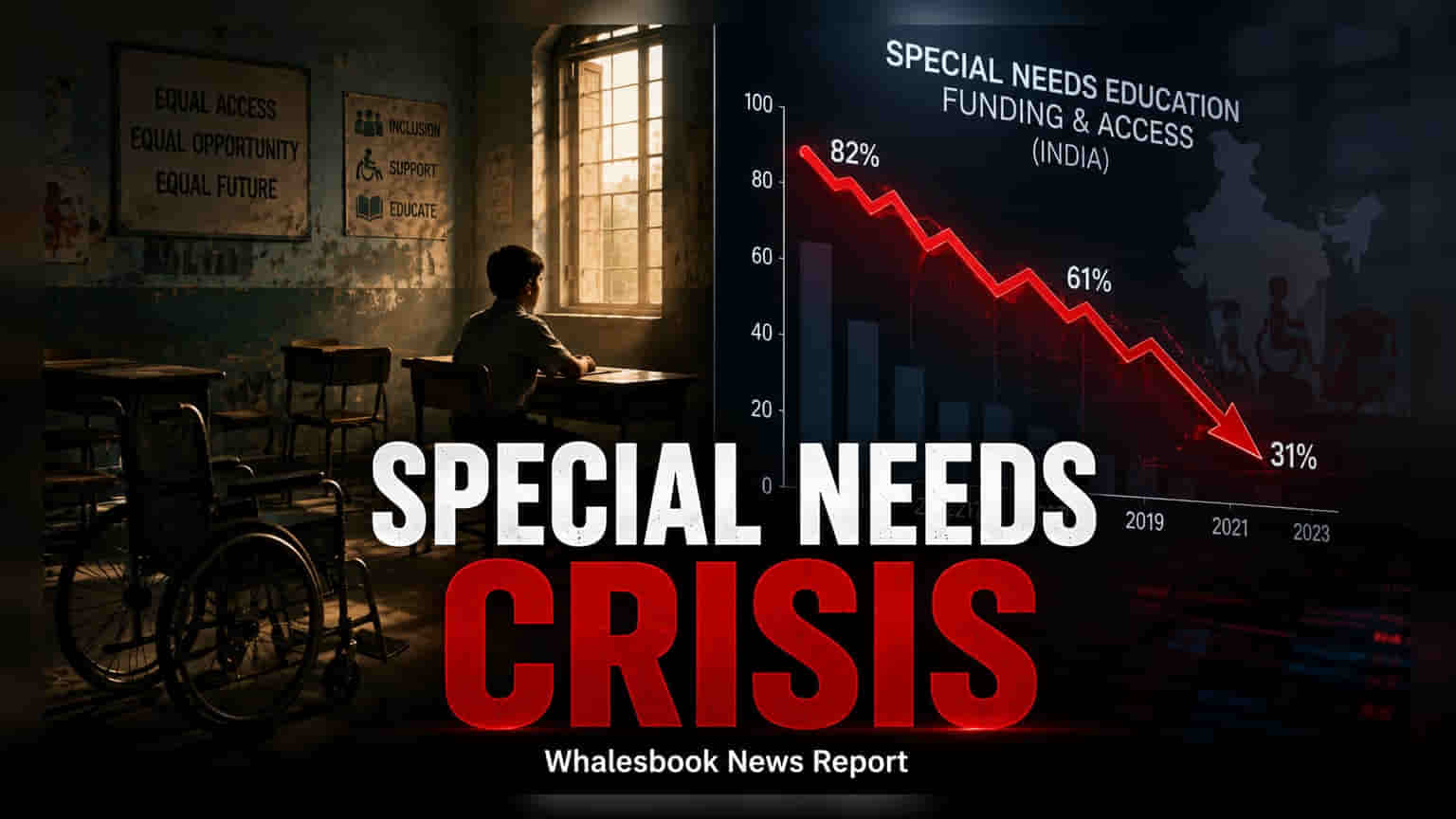
Data from the Unified District Information System for Education Plus shows that less than 30% of children with special needs are currently enrolled in Indian schools. This enrollment figure has remained stagnant for eight years, highlighting significant gaps in infrastructure and teacher training.
The latest figures from the Unified District Information System for Education Plus (UDISE+) reveal a persistent challenge in the Indian education sector regarding the inclusion of children with special needs. Despite legal mandates, less than 30% of eligible students are currently attending schools. This participation rate has seen no meaningful improvement over the last eight years, pointing to systemic hurdles that continue to limit educational access.
Infrastructure and Resource Gaps
A primary factor identified in the data is the lack of physical and technical infrastructure. Many educational institutions do not provide basic requirements such as ramps, accessible transport, or specialized learning aids. Beyond physical structures, there is a severe shortage of educators trained to provide inclusive instruction. This problem is particularly acute in rural areas, where the lack of specialized staff effectively prevents many students from accessing the classroom environment.
Social and Administrative Barriers
Beyond physical facilities, societal attitudes continue to impact enrollment rates. Deep-seated social stigma often results in families choosing home-based education over mainstream schools, which are sometimes viewed as exclusionary. Administratively, the system has struggled to prioritize the integration of children with special needs. When schools treat these enrollments as optional tasks rather than core responsibilities, it creates a culture where institutional support remains insufficient.
Impact on Higher Education
The data also highlights a significant decline in enrollment as students transition to higher levels of education. High dropout rates are frequently observed at advanced stages, as academic environments and curriculum designs often fail to adapt to the specific requirements of these students. Without a shift toward more accessible infrastructure and better-trained faculty, the educational gap is likely to persist across the student life cycle. Stakeholders and policymakers will likely track future updates on the implementation of inclusive education policies and funding for specialized school facilities to see if these trends begin to reverse.