

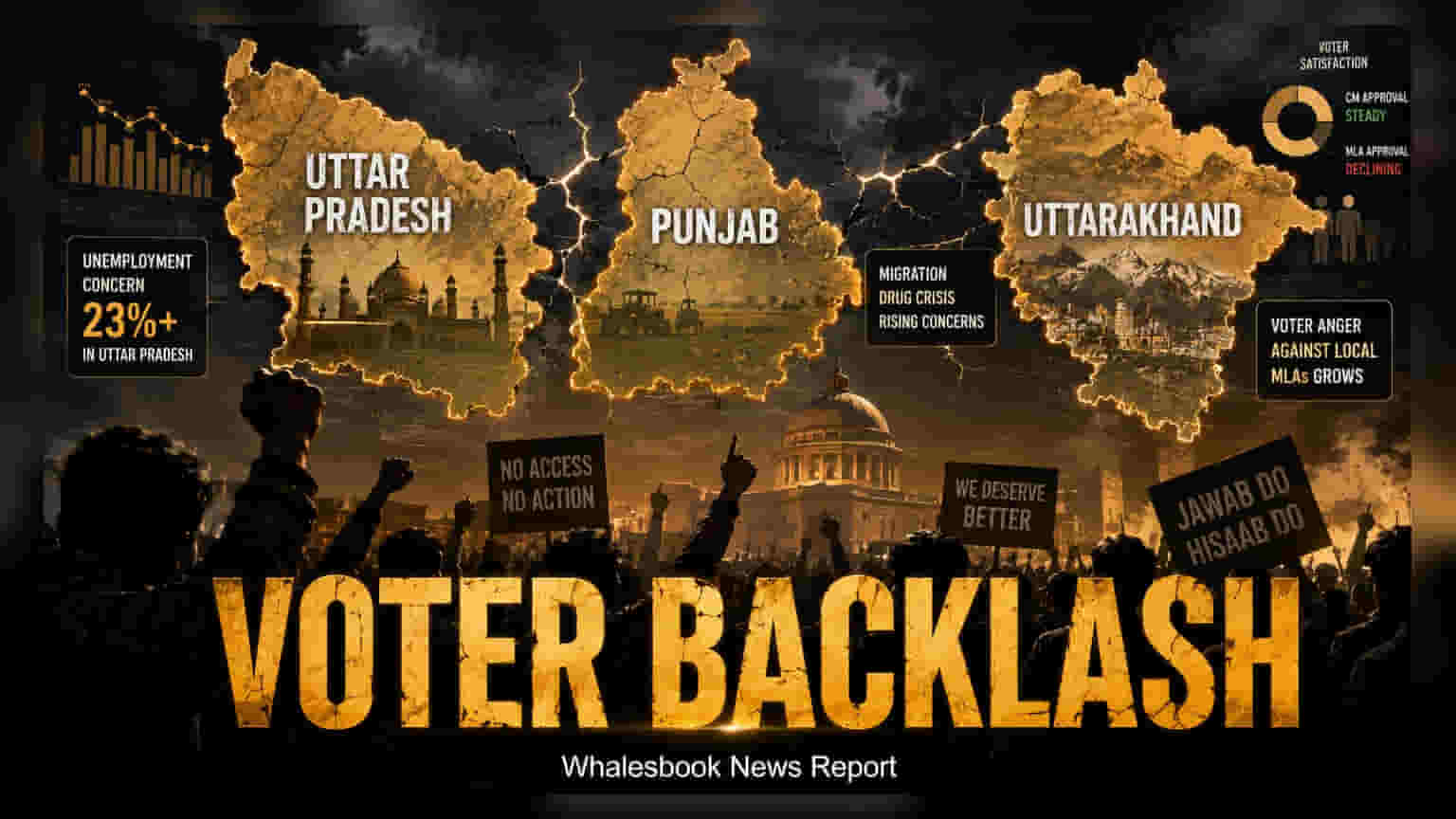
Recent survey data shows growing voter frustration with local legislators in Uttar Pradesh, Punjab, and Uttarakhand, despite stable approval for state leadership. This shift creates uncertainty for the 2027 assembly elections, as political parties face pressure to replace unpopular candidates to maintain electoral stability and ensure policy continuity.
A new survey has highlighted a widening gap in voter satisfaction between state-level leadership and local legislators across Uttar Pradesh, Punjab, and Uttarakhand. While chief ministers in these regions maintain relatively steady approval ratings, voters are expressing significant dissatisfaction with their local MLAs. The primary complaint, as noted in the findings, is the perceived inaccessibility of these representatives, with many constituents reporting that MLAs delegate essential local duties to staff rather than engaging directly with the public.
This trend poses a challenge for political parties ahead of the 2027 assembly elections. Parties now face a difficult decision: they must either persist with incumbent MLAs, risking defeat due to anti-incumbency, or replace them, which often invites internal party friction and potential sabotage. Analysts suggest that for a meaningful portion of the electorate, the individual candidate's profile is becoming more important than the broader party platform, making candidate selection a defining factor for electoral outcomes.
For those monitoring the economic environment, this political friction is relevant because it impacts state-level stability. While this is not a corporate or financial event, political stability is a critical factor for investors and businesses, as it influences the consistency of state policy, the speed of infrastructure project approvals, and the overall ease of doing business. Persistent voter grievances regarding local issues like unemployment—cited by over 23% of respondents in Uttar Pradesh—and infrastructure gaps can pressure state governments to pivot their focus from long-term economic reforms to short-term populist measures to regain public trust.
In states like Punjab, the added pressure of socio-economic issues such as migration and drug-related concerns complicates the political landscape further. While state leadership remains a focal point, the upcoming electoral cycles will test whether this support is enough to overcome deep-seated local resentment. The primary monitorable for political stability in the coming months will be how parties manage the delicate balance between maintaining organizational unity and responding to public demand for change in local representation. Investors and policy watchers will track upcoming cabinet reshuffles, official candidate list announcements, and any shifts in state policies that may signal a response to these voter sentiments.