

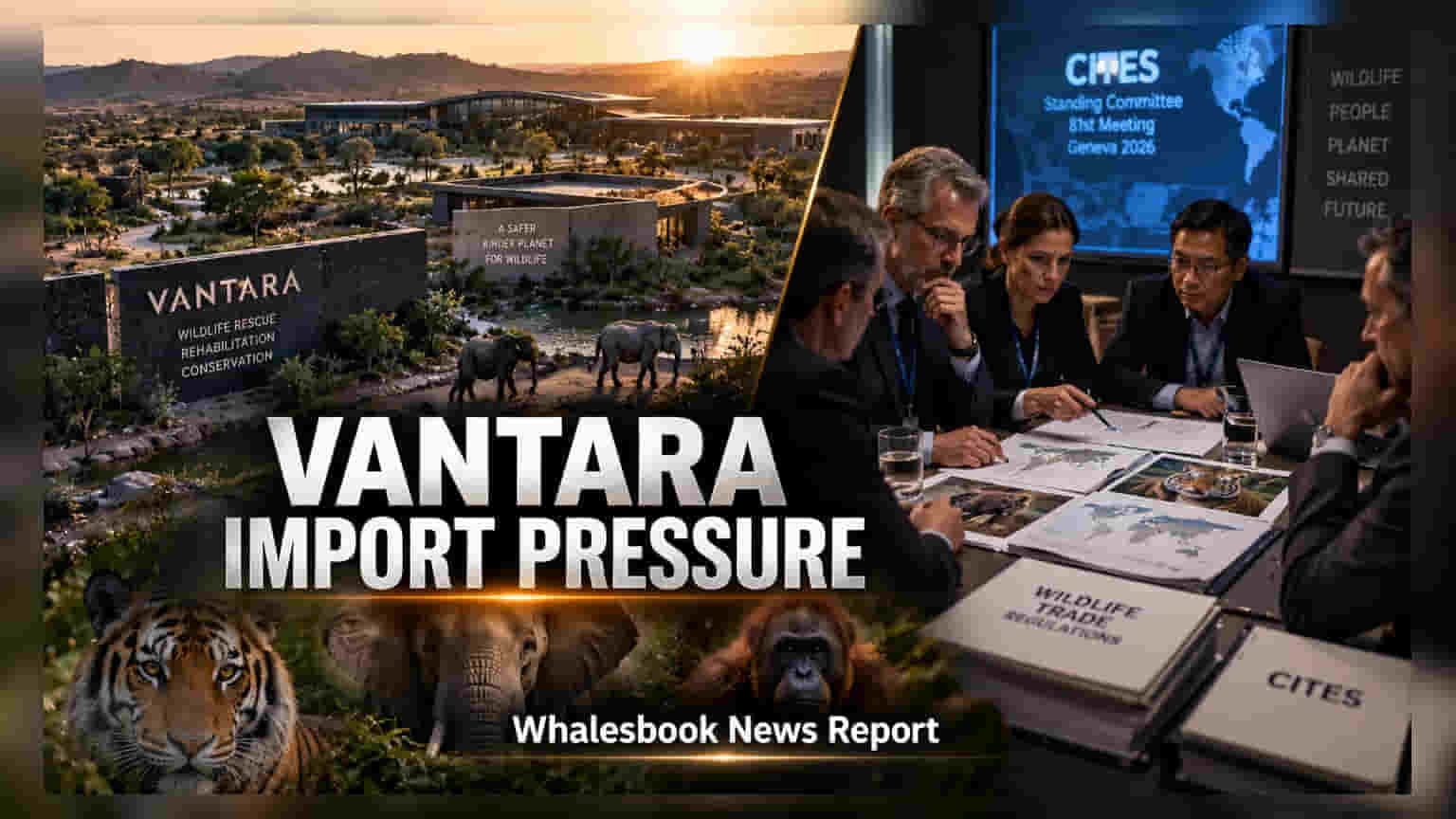
Global conservation groups are demanding that the Reliance Industries-backed Vantara facility permanently end wildlife imports, citing concerns over transparency. The pressure comes ahead of a crucial November 2026 CITES meeting. For investors, the situation highlights potential regulatory and reputational risks related to large-scale wildlife projects operating under corporate social responsibility frameworks.
A coalition of 27 international conservation organizations has formally asked the Jamnagar-based Vantara facility to permanently stop importing wild animals. This development intensifies scrutiny on the rescue and rehabilitation center, which is funded by Reliance Industries. While the facility recently announced a 12-month pause on new import applications, the coalition, led by Pro Wildlife, argues that this temporary measure does not go far enough to address long-term concerns regarding wildlife trade regulations.
Regulatory Scrutiny and CITES Meeting
The timing of this demand is significant, as the 81st meeting of the Convention on International Trade in Endangered Species of Wild Fauna and Flora (CITES) Standing Committee is scheduled for November 2026 in Geneva. During this meeting, committee members are expected to review the Indian government’s response to a 2025 verification mission. That mission had previously raised questions about whether certain wildlife imports complied with international trade standards. Activists are focusing on whether the movement of species, including protected varieties like the Tapanuli orangutan, adheres to strict global guidelines.
Operational Scale and Transparency Demands
The Vantara facility has grown rapidly, with records indicating the management of 60,000 live animals across 2,000 species over the last four years. This scale has drawn attention from watchdogs who are now calling for a higher level of transparency. Specifically, the coalition is requesting an independently audited inventory of all animals currently housed at the center and a shift in strategy toward local habitat conservation rather than large-scale animal acquisition. The groups are concerned that without a permanent ban, there is a risk of future operations resuming, which they argue could potentially influence global wildlife trade patterns.
Investor Perspective on Reputation and Compliance
For investors, developments involving high-profile corporate social responsibility projects can carry reputational importance. While Vantara is a philanthropic initiative, the scale of its operations and the ongoing scrutiny from international regulatory bodies like CITES introduce a layer of operational and governance risk. The ability of the facility to maintain transparency, ensure compliance with international wildlife laws, and navigate the upcoming regulatory reviews will be key factors for observers. The outcome of the November 2026 CITES meeting will be a critical update to watch, as any adverse findings or tightened regulations could impact the facility's future operational strategy and public standing.