

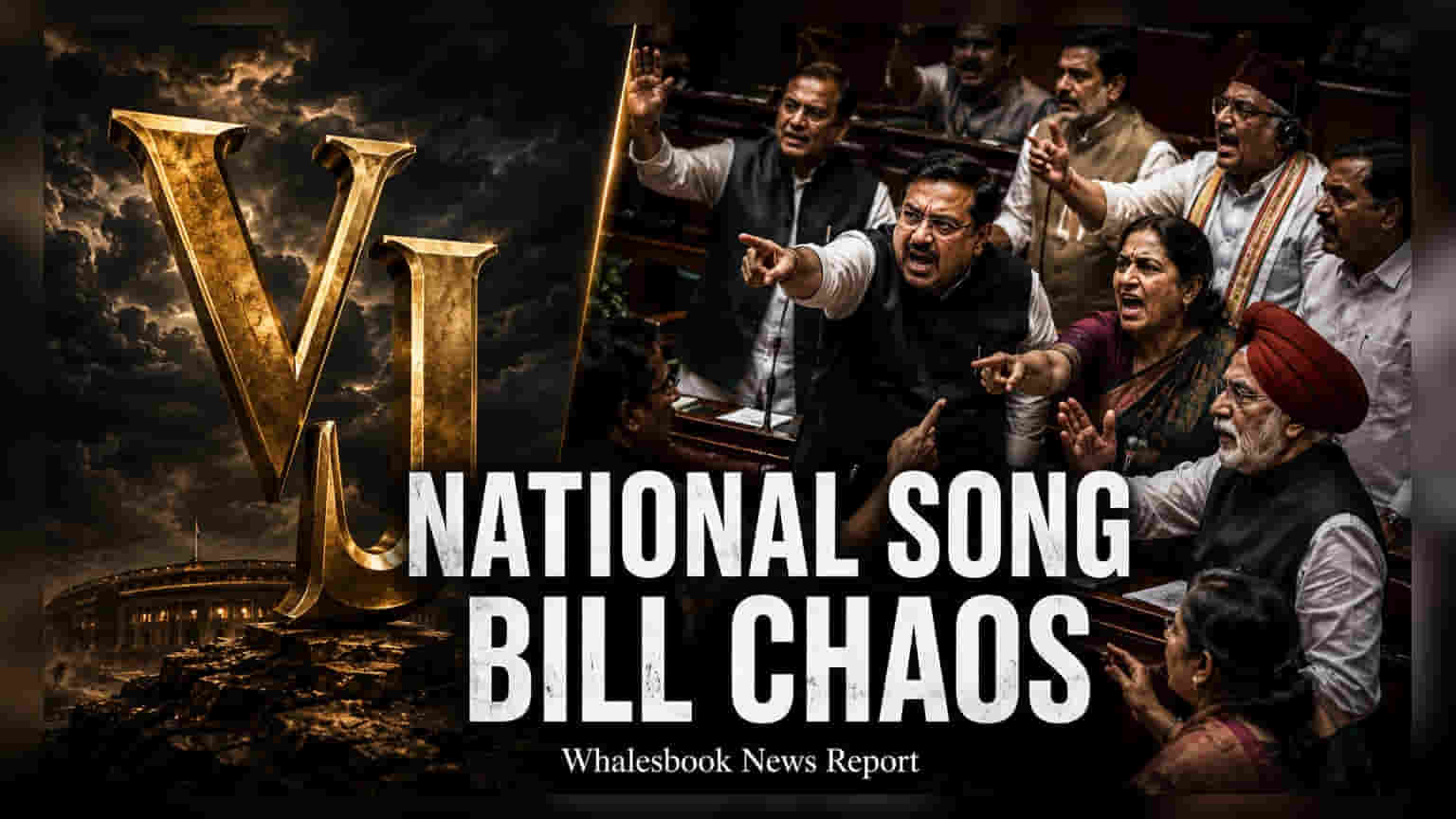
A proposed amendment in the Rajya Sabha aims to give the national song, 'Vande Mataram', the same legal status and protections as the national anthem. The bill seeks to mandate the singing of all six stanzas and punish insults, sparking a debate over cultural policy and potential societal divisions.
Detailed Coverage
A new legislative proposal introduced in the Rajya Sabha seeks to amend the Prevention of Insults to National Honour Act. The bill proposes granting 'Vande Mataram' the same legal status as 'Jana Gana Mana', the national anthem. If passed, the legislation would require that the song receive equal respect and protection against insults. A key component of the proposal involves mandating the performance of all six stanzas of the song during official functions and in educational institutions.
The initiative has encountered opposition within the house. Critics argue that the legislative process should not be used to enforce parity between the two compositions through a presidential endorsement. There are also concerns regarding the practical and social implications of the bill. Opponents have suggested that the emphasis on the complete six-stanza version could lead to friction, as some communities have historically expressed discomfort with certain religious imagery contained in the full text of the song.
The history of this debate dates back several decades. In 1937, the Congress Working Committee recommended the use of only the first two stanzas, noting that this version better reflected India's diverse and pluralistic identity. During the proceedings of the Constituent Assembly, the status of the national song was a topic of discussion, with some members at the time advocating for it to be chosen as the national anthem over 'Jana Gana Mana'.
This development is part of an ongoing conversation about national symbols and identity in India. While proponents emphasize the patriotic significance of the song, the legislative move has highlighted differing views on how to manage national consensus. The debate reflects a broader shift in political sentiment, moving away from past practices that favored shortened versions of the song to acknowledge diversity. Investors and observers often track such legislative discussions as they can influence the social environment and national policy priorities, though this specific bill does not have a direct impact on corporate earnings or financial markets. The next steps for the bill will depend on parliamentary proceedings and whether the government seeks to build a broader consensus before moving the proposal toward a vote.