

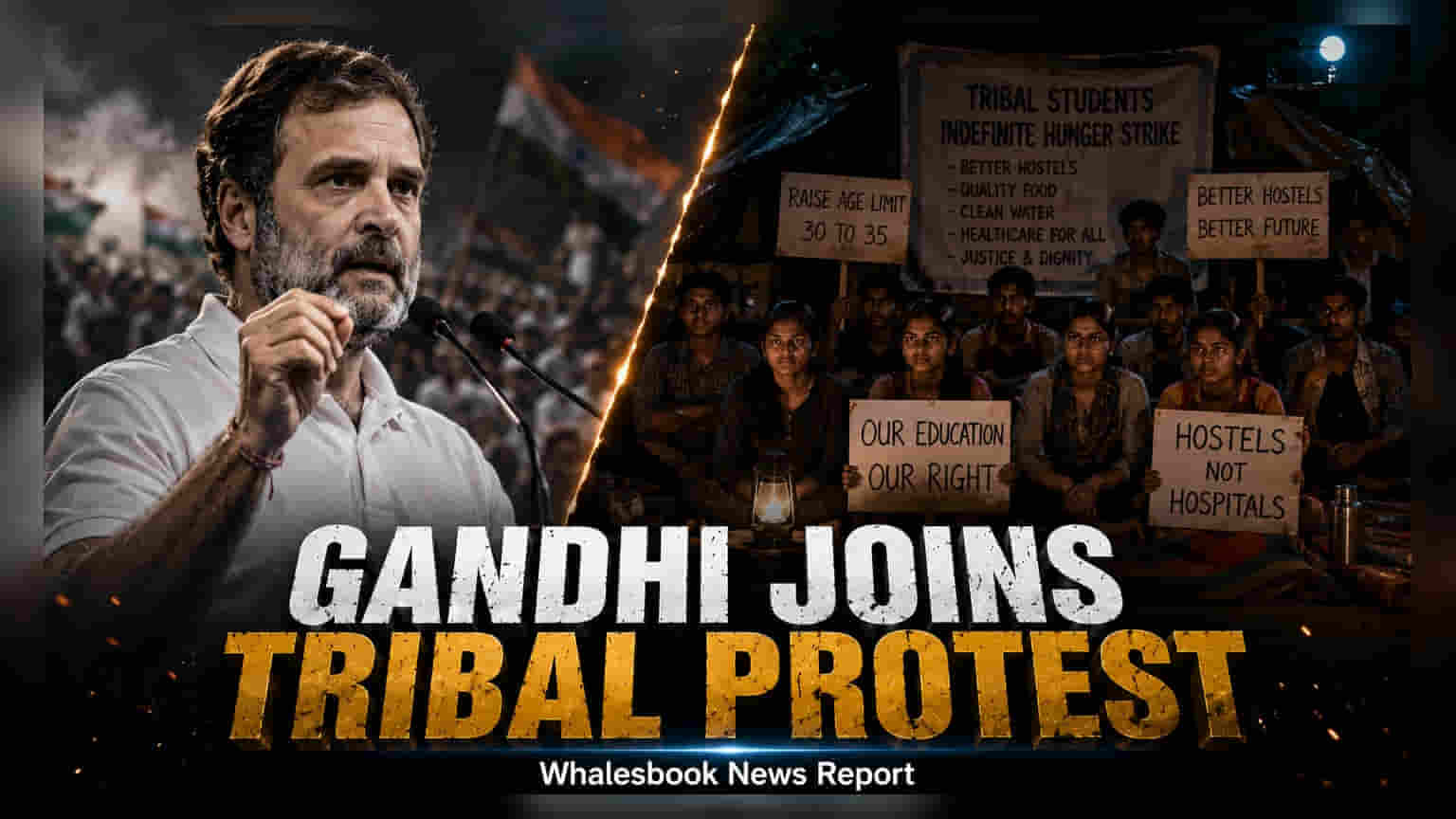
Congress leader Rahul Gandhi has pledged to support tribal students in Pune who have been on a hunger strike since August 13. The students are demanding policy reforms for hostel residency, better infrastructure, and an end to controversial health check practices. This situation reflects broader concerns regarding state social welfare administration.
Congress leader Rahul Gandhi publicly offered his support to a group of tribal students in Pune who have been on an indefinite hunger strike since August 13. The students, protesting in Manjari, are demanding significant changes to the administration of government-run hostels and better educational facilities. Gandhi stated he would be willing to join the protest if necessary to build pressure on the state government to address their grievances.
Core Demands for Policy Reform
The protesters are primarily pushing for a revision in residency rules, specifically asking for the age limit for hostel stays to be increased from 30 to 35 years. Students argue this change is necessary to ensure continuity in their education. Beyond the age limit, the students have cited a lack of basic amenities, including insufficient infrastructure, poor quality of food, and inadequate water supply in government-run facilities.
Concerns Over Administrative Practices
The protest has also drawn attention to broader issues regarding how state social welfare hostels operate. Students have expressed strong opposition to certain intrusive health screening practices, such as mandatory pregnancy tests for female students returning to hostels after breaks. Additionally, the movement has highlighted grievances over insufficient medical care, following reports of tragic incidents in other residential schools in the state, leading to demands for round-the-clock medical staff and better safety protocols.
Governance and Policy Context
For observers of state administration, this situation highlights challenges in maintaining large-scale social welfare infrastructure. The protests underscore the friction between students and the state government, with the former accusing officials of ignoring repeated appeals for improvement. The involvement of national political figures marks an escalation in the protest's profile, which may increase the urgency for a government response to settle the standoff.
The next critical update for those following this development will be whether the state administration initiates formal negotiations with the student representatives to resolve the deadlock. The outcome may involve policy adjustments regarding hostel management or budget allocations for facility upgrades, which are standard administrative steps when such public grievances gain significant political traction.