

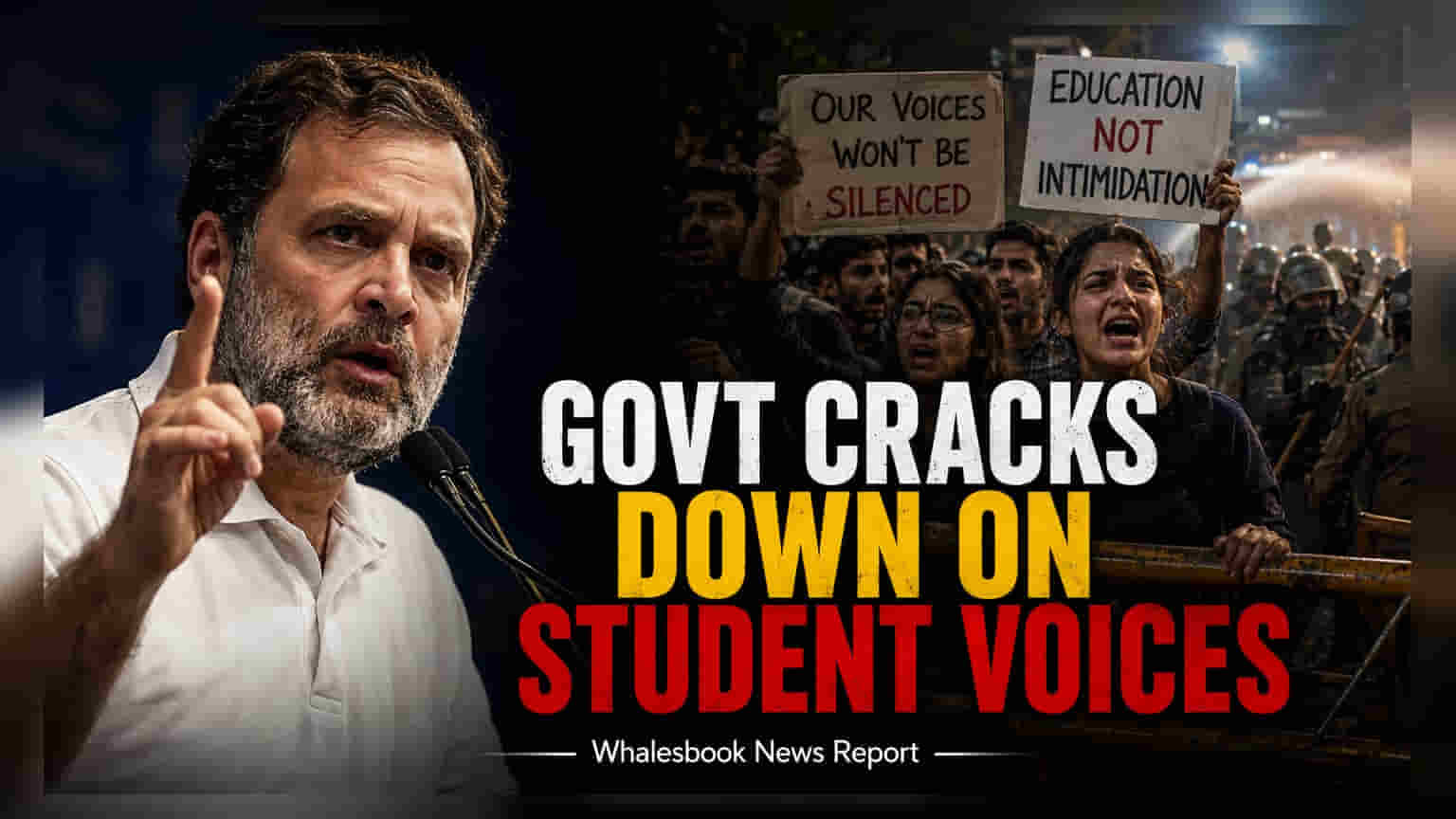
Rahul Gandhi has demanded a major overhaul of India's examination system following student protests regarding paper leaks and rising costs. He proposed replacing the current government-led model with technology-driven, student-focused assessments to improve transparency and security.
Congress leader Rahul Gandhi has called for a significant restructuring of India's education and examination frameworks in response to ongoing concerns from students. His statement follows the removal of activist Sonam Wangchuk from a protest at Jantar Mantar and reflects growing pressure on the current testing ecosystem.
Issues in Examination Management
Gandhi highlighted systemic challenges, including frequent paper leaks and high costs, which he claims have affected millions of students. These concerns center on the reliability of the National Testing Agency (NTA), the government body responsible for conducting major national entrance examinations. Recent years have seen widespread reports of paper leaks in various competitive exams, leading to canceled tests, student unrest, and judicial intervention in multiple states.
Proposed Structural Changes
To address these issues, Gandhi proposed moving away from the existing, state-controlled examination model. His suggested reforms include the implementation of secure question banks and technology-driven, randomized paper generation. By drawing inspiration from international models like the GMAT, he aims to shift the focus from rote memorization toward a system that emphasizes student development and security.
Impact on the Education Sector
Beyond the political discourse, these events highlight the operational and regulatory risks currently facing the education and testing sector. The frequency of examination disruptions has forced the Union education ministry to review testing protocols and tighten oversight. For institutions and stakeholders in the ed-tech and testing space, these developments underscore the importance of robust security systems and transparent execution. Future updates to watch include potential policy shifts, modifications to NTA's operational structure, and any legislative changes proposed to strengthen the integrity of national examinations.