

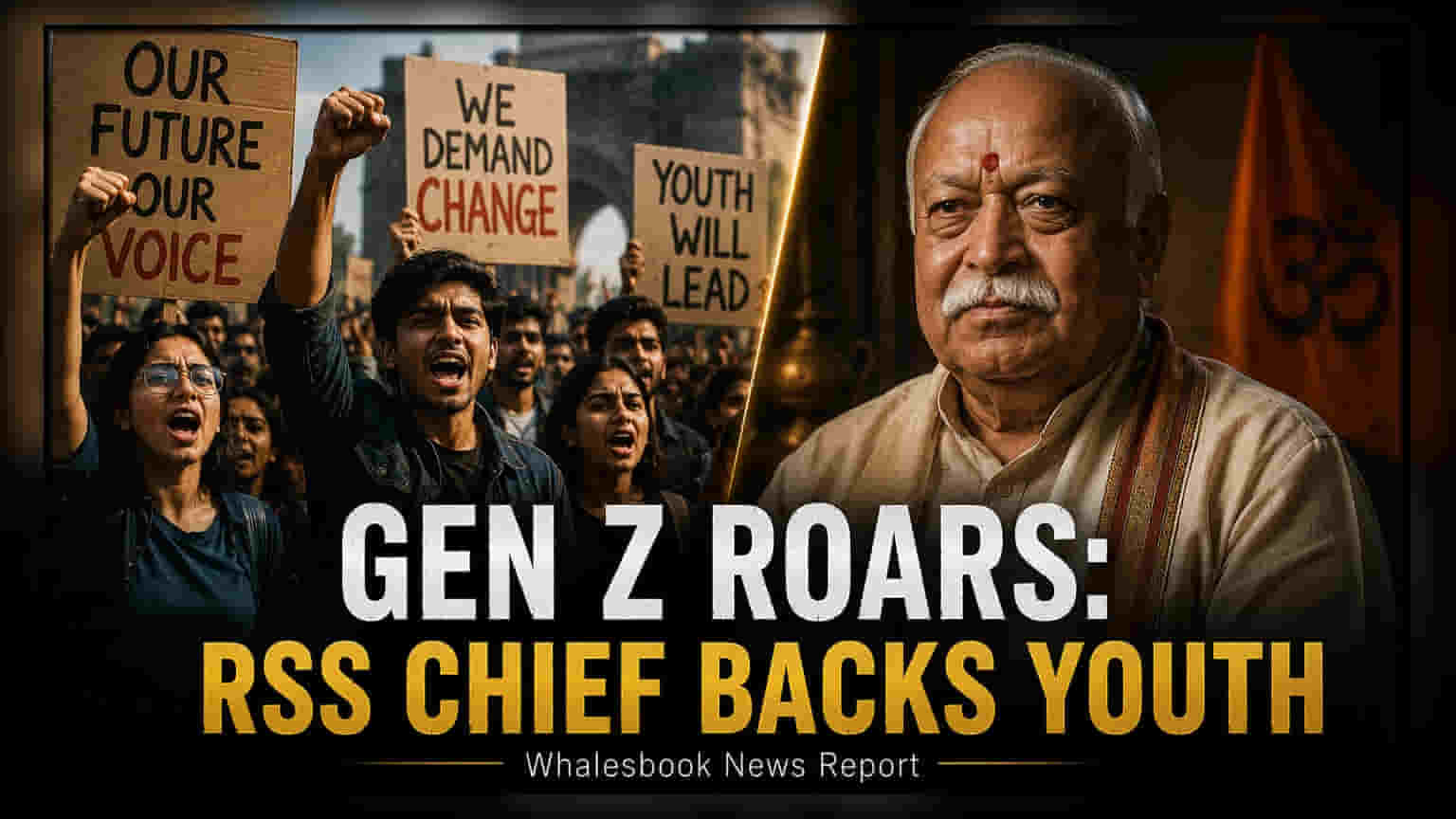
RSS Chief Mohan Bhagwat has declared his blind trust in Gen Z, affirming their democratic right to protest. Speaking at an IIMUN event in Mumbai on August 6, 2026, he distanced the younger generation from 'anti-national' labels. While the outreach comes amid nationwide student unrest and the recent resignation of the Union Education Minister, political critics remain skeptical, questioning the consistency of these remarks given past actions against student protesters.
Rashtriya Swayam Swayamsevak Sangh (RSS) chief Mohan Bhagwat has publicly expressed strong faith in India's youth, stating he trusts 'Gen Z blindly' during an address at the IIMUN event in Mumbai. Bhagwat defended the younger generation's right to demonstrate, framing protests as a vital democratic tool for systemic improvement rather than acts of opposition or anti-national sentiment.
The Context of Student Protests
Bhagwat's comments arrive during a period of significant national tension. Student-led demonstrations have recently spread across the country, fueled by widespread frustration over examination paper leaks and perceived administrative failures. These protests were serious enough to contribute to the resignation of the Union Education Minister. By explicitly stating that young people should not be labeled as 'anti-national' for demanding systemic changes, Bhagwat is attempting to bridge the gap between the RSS leadership and an increasingly inquisitive younger generation.
Education and Social Inclusion
Beyond the topic of protests, Bhagwat outlined a broader view on national development. He pushed for a significant increase in the national education budget, reiterating the demand to allocate 6% of the GDP to education. He also emphasized that education is a collective societal responsibility, not just the state's duty. Regarding LGBTQ+ individuals, the RSS chief maintained that they are an integral part of society who should be accommodated rather than ostracized. He distinguished between marriage and companionship, noting that society should evolve frameworks to recognize the latter.
Political Skepticism
Despite the conciliatory tone, the outreach has met with mixed reactions. Political opponents and student activists have expressed skepticism, noting a disconnect between these comments and the reality faced by students during recent confrontations with police. Leaders like Aaditya Thackeray and other critics have questioned the timing of these remarks, suggesting that the RSS may be trying to manage the political fallout from recent student unrest rather than facilitating genuine change. The criticism centers on whether these words will translate into meaningful policy shifts or if they are simply a rhetorical pivot to align with the changing expectations of Gen Z.
Investors and observers will be watching to see if this new stance leads to actual changes in government policy regarding education reform and student rights, or if the skepticism from the political opposition continues to overshadow the message.