 Whalesbook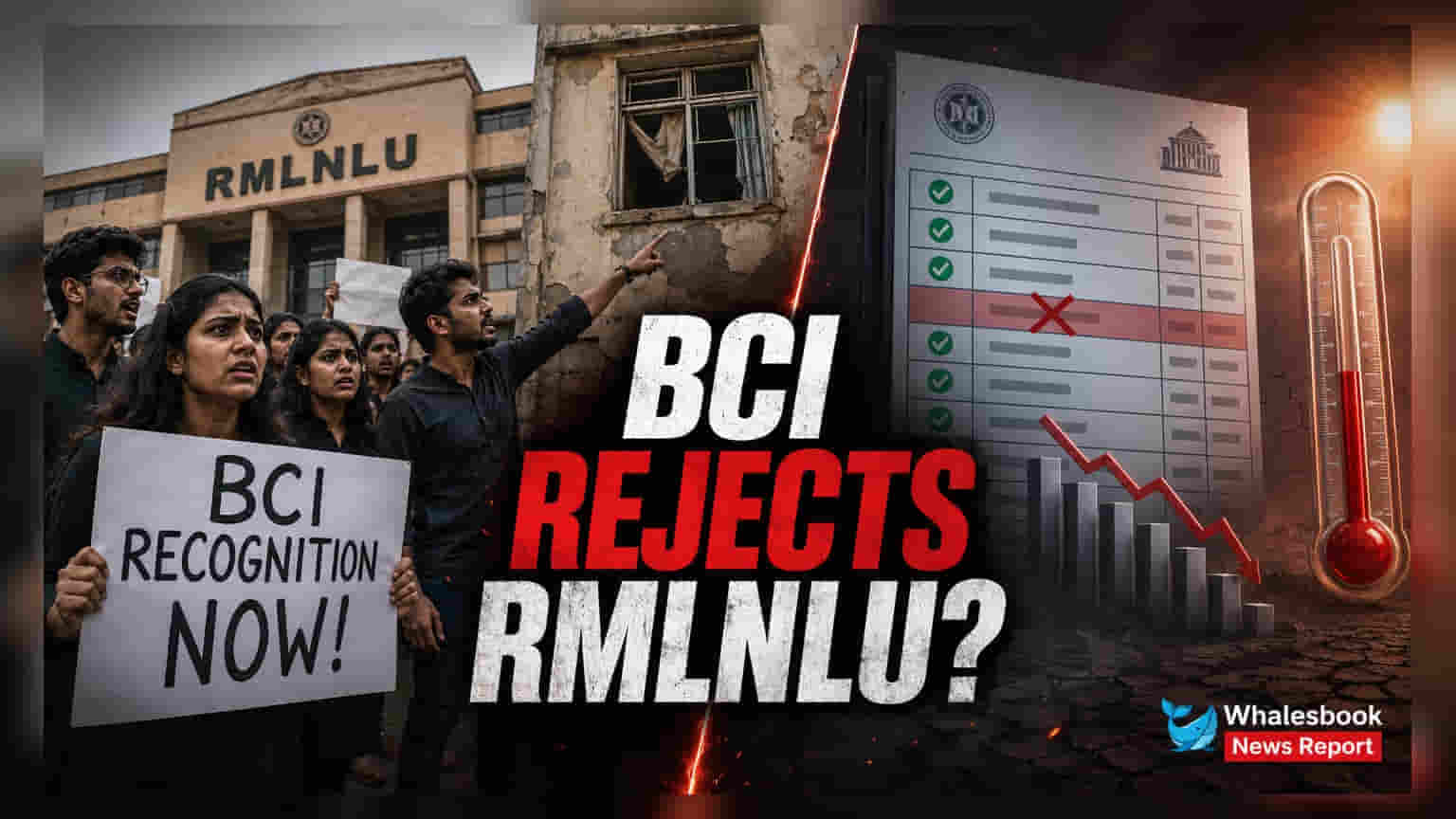


The Regulatory Impasse
The core of the current unrest at the Lucknow-based institution is not merely localized administrative failure but a severe existential threat to the student body. By failing to maintain its standing on the Bar Council of India’s official register of recognized Centers of Legal Education, the university has effectively placed the legal status of its graduates in a state of suspended animation. Under the rigid framework of the Advocates Act, such an omission could preclude alumni from state bar enrollments, creating an immediate barrier to legal practice. This regulatory silence from the administration suggests a profound breakdown in the mandatory compliance protocols expected of a premier national law university.
The Operational Friction
The protest movement, which gained momentum in late May, draws heavily from a growing dissatisfaction with the university’s shifting academic architecture. The abrupt alteration of the internship calendar has created a structural disconnect between the student body and the realities of corporate law hiring cycles. By fragmenting the December break, the institution has inadvertently penalized students who rely on extended winter stints to compensate for the university’s historically limited on-campus recruitment activity. This decision-making pattern indicates a detachment from the professional requirements of the industry, leaving students to navigate the consequences of an unoptimized academic schedule that conflicts with external networking opportunities.
The Infrastructure Deficit
Beyond administrative and regulatory failures, the physical environment has reached a point of breakdown. The refusal to address climate-sensitive infrastructure during the peak summer months in Uttar Pradesh reveals a disconnect between budgetary allocations and basic human welfare. Overcrowding in residential facilities, coupled with chronic under-servicing in sanitation and utility, has created a pressure-cooker environment. When students are forced to operate in facilities lacking essential cooling during extreme heatwaves, their capacity for academic output is significantly compromised, leading to the current manifestation of widespread institutional distrust.
Accountability and Governance Risks
The administration’s response to these grievances has been marked by a lack of transparency that complicates potential resolutions. The absence of documented outcomes following recent negotiations with student representatives suggests a governance structure that is either unwilling or unable to address systemic grievances. Furthermore, the arbitrary enforcement of residential policies—ranging from inconsistent biometric oversight to unauthorized communication with guardians—points to a culture of administrative overreach. Without a decisive, transparent pivot toward institutional accountability, the university risks long-term damage to its reputation, potentially impacting future enrollment quality and graduate employability in a hyper-competitive legal market.