

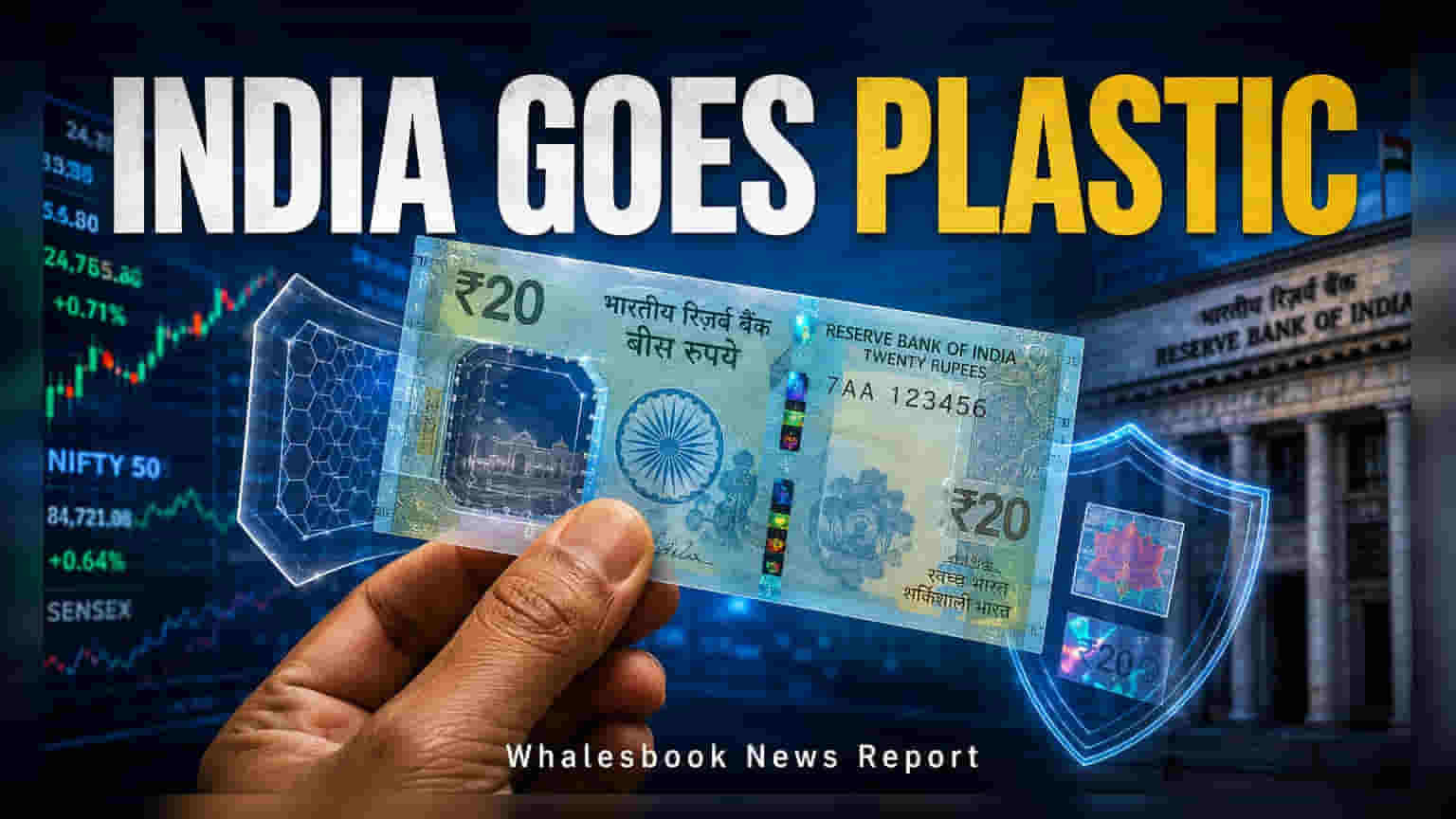
The RBI, through its subsidiary BRBNMPL, has launched a global search for suppliers to provide polymer substrate sheets for upcoming Rs 10 and Rs 20 banknote trials. This move aims to test the durability and security benefits of plastic currency, which could eventually lower long-term printing costs. The trial's success will be the key factor in determining if India shifts from traditional paper notes toward polymer-based currency in 2027.
The Reserve Bank of India is taking a significant step toward testing the feasibility of polymer banknotes. Through Bharatiya Reserve Bank Note Mudran Private Limited, the central bank has issued a global invitation for expressions of interest to supply specialized polymer substrate sheets. The pilot project will focus on the Rs 10 and Rs 20 denominations, with the goal of testing if these materials provide better security and a longer lifespan than current paper notes.
Tender Requirements and Security Protocols
The tender, which has a bid deadline of August 18, 2026, calls for the supply of 68,000 reams of opacified polymer substrate—split equally between the two denominations. Each ream contains 500 sheets. To ensure the integrity of the currency, the RBI has mandated advanced security features, including clear windows, metallic numerals, and iridescent patterns. The technical specifications also require testing to ensure the absence of animal tallow and specific DNA markers, reflecting the complex manufacturing standards required for central bank-issued currency.
Strategic Constraints for Global Bidders
The project includes strict compliance requirements aimed at national security. Any company bidding for the contract must demonstrate a complete separation of its operations from China or Pakistan. Furthermore, the use of raw materials or personnel with prior experience in those countries is prohibited for this project. Additionally, any firm from a country sharing a land border with India must be registered with the Department for Promotion of Industry and Internal Trade before it can be considered eligible. Potential suppliers must also prove at least three years of experience in providing polymer substrates to other central banks or authorized banknote printing organizations.
Long-Term Implications for Currency Management
Polymer banknotes are used by over 50 countries globally, with Australia being an early adopter since 1988. The primary attraction for central banks is the material's durability, which typically results in a significantly longer circulation life compared to paper-based notes. While the initial investment in polymer technology is higher, the central bank evaluates the potential for reduced printing frequency and lower logistics costs over time. Investors in sectors related to security printing, paper manufacturing, or specialized chemical materials may monitor the pilot's outcome, as a transition would mark a structural shift in India’s currency management strategy. The success of these field trials is expected to determine whether the RBI moves forward with a broader rollout, possibly beginning in 2027.