 Whalesbook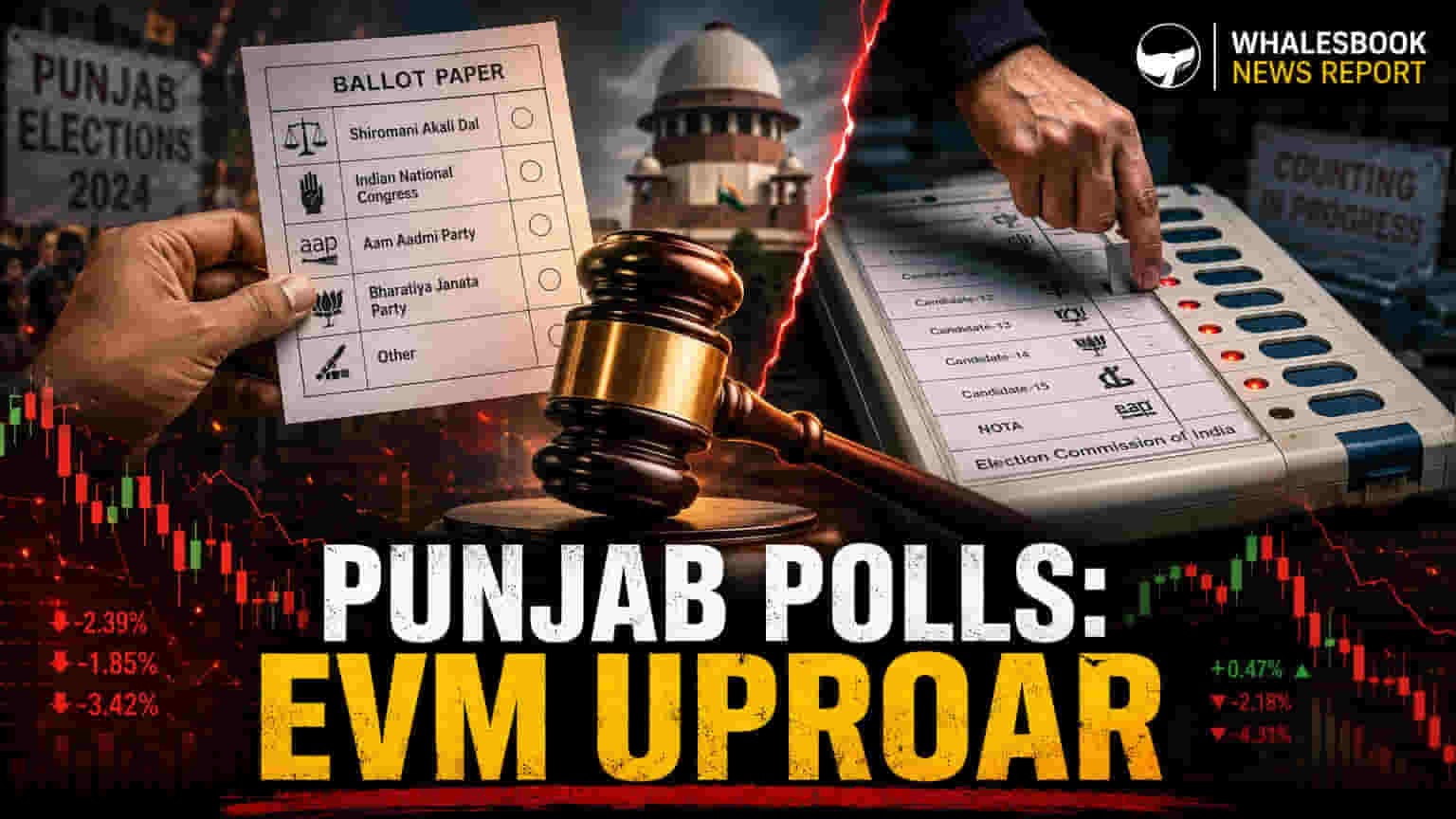


Court Demands Explanation for Ballot Paper Decision
The Punjab and Haryana High Court is examining the Punjab State Election Commission's choice to use ballot papers for the upcoming local body elections. The court has asked the State Election Commission to provide official communications from the Election Commission of India (ECI) explaining why Electronic Voting Machines (EVMs) are not available for the polls scheduled for May 26.
Legal Challenge Against Ballot Paper Return
This judicial review comes as the court hears challenges to the State Election Commission's decision to revert to ballot papers. Petitioners argue that while the ECI can choose between EVMs and ballot papers, it must clearly explain its reasons for selecting the latter. They noted that EVMs are commonly used in most elections today and that past Supreme Court rulings have generally discouraged returning to older paper-based voting methods.
Concerns Over Speed and Election Integrity
Arguments presented in court highlighted that EVMs are crucial for preventing election irregularities and significantly speeding up the vote counting process. The State Election Commission's lawyer had previously informed the court that EVMs would only be available after May 10, making them unsuitable for the local elections. The ECI reportedly stated that these machines are currently being used in recent state assembly elections.
Comparison with National Voting Trends
Across India, the trend has increasingly favored the use of EVMs in various elections to improve transparency and efficiency. The ECI has defended EVMs against claims of manipulation, citing their security features. However, issues with machine availability, as seen in Punjab, can make the voting process appear less modern compared to the quicker counting offered by EVMs. Some neighboring states have continued to use EVMs for their local elections without major issues.
Public Confidence and Past Practices
A switch back to ballot papers, even for a short period, can raise concerns about potential errors in manual counting and increased opportunities for malpractices, issues that EVMs help address. The Supreme Court has previously expressed concerns about the time and logistical challenges of manual vote counting, often favoring technological solutions when reliable. The ECI's explanation for the EVM shortage, attributing it to their use in larger state elections, suggests a possible issue with capacity or allocation that might require better planning for future elections to ensure consistent use of technology.