 Whalesbook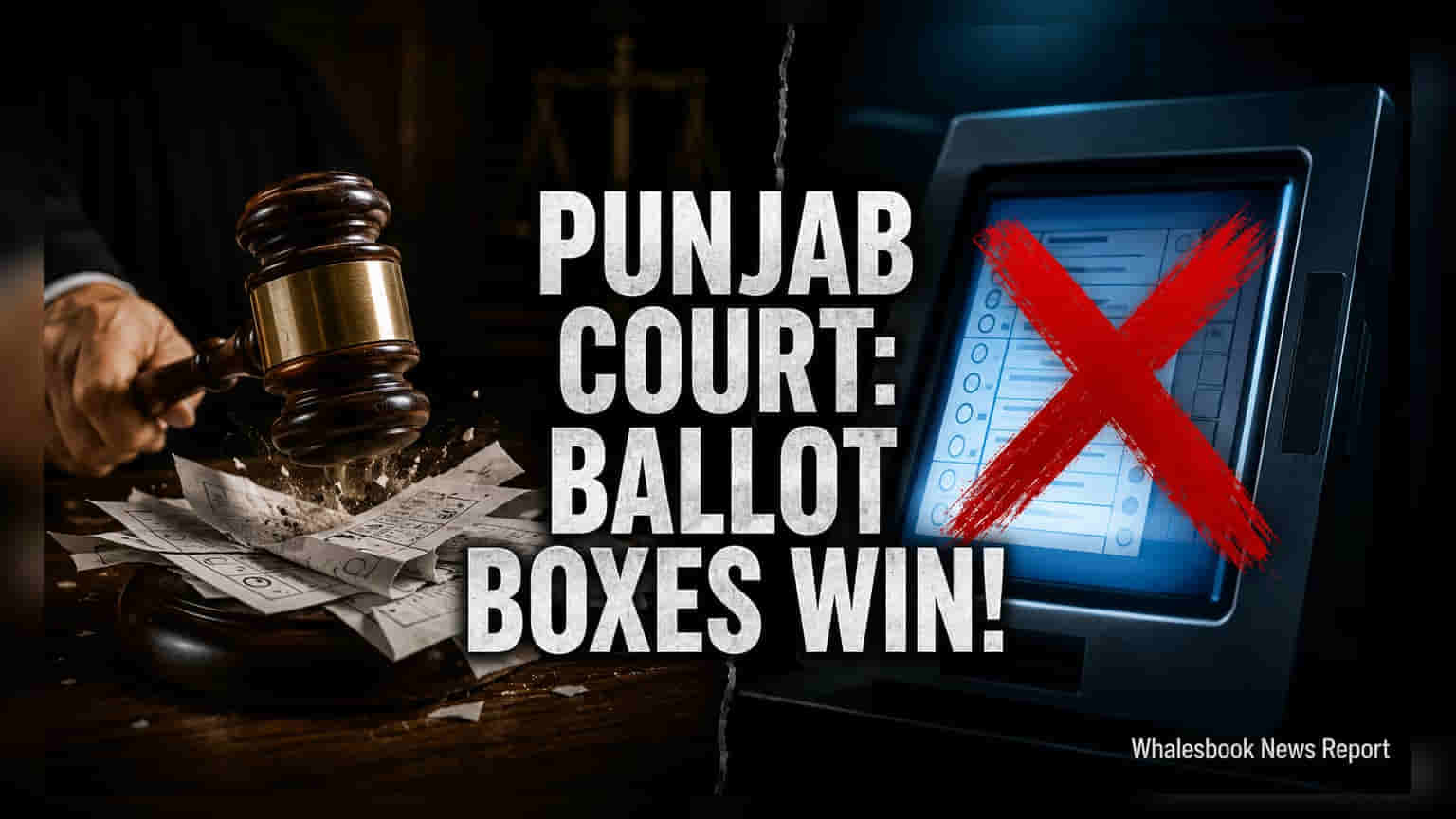


Traditional Voting Methods Upheld
The Punjab and Haryana High Court has decided against mandating Electronic Voting Machines (EVMs) for the upcoming local body elections in Punjab on May 26.
A judicial panel, led by Chief Justice Sheel Nagu and Justice Sanjiv Berry, pointed out that the Punjab Municipal Election Rules still allow for the use of ballot papers and traditional ballot boxes, even though EVMs are available.
These rules were maintained to help voters facing literacy and economic challenges, allowing for a return to paper ballots if necessary.
Timing of Petitions Key to Decision
The court stressed that the timing of legal challenges prevented it from ordering the use of EVMs.
With the election schedule announced on May 13, petitions questioning the use of ballot papers were submitted much later, between May 18 and May 19.
While acknowledging Supreme Court precedents generally favor EVMs, the late submission meant the court could not intervene.
The petitioners had argued that the State Election Commission's choice of ballot papers contradicted earlier Supreme Court rulings.
The court denied their request but allowed them to file an Election Petition to contest the electoral process. The Punjab government and the State Election Commission also raised objections to the admissibility of these petitions.
Vote counting is scheduled for May 29.
Electoral System Accessibility
This ruling highlights the ongoing balance between adopting new technology and ensuring access for all voters, especially in diverse regions.
The court's recognition of potential difficulties for some voters emphasizes the need for flexible voting systems.
However, the late filing of petitions has raised questions about adherence to election regulations.
The decision could shape future challenges to voting methods in local elections, underscoring the importance of following election timelines and procedures.
Allowing ballot papers, despite Supreme Court preferences for EVMs, suggests a balanced approach to electoral reform that considers both efficiency and inclusivity.