

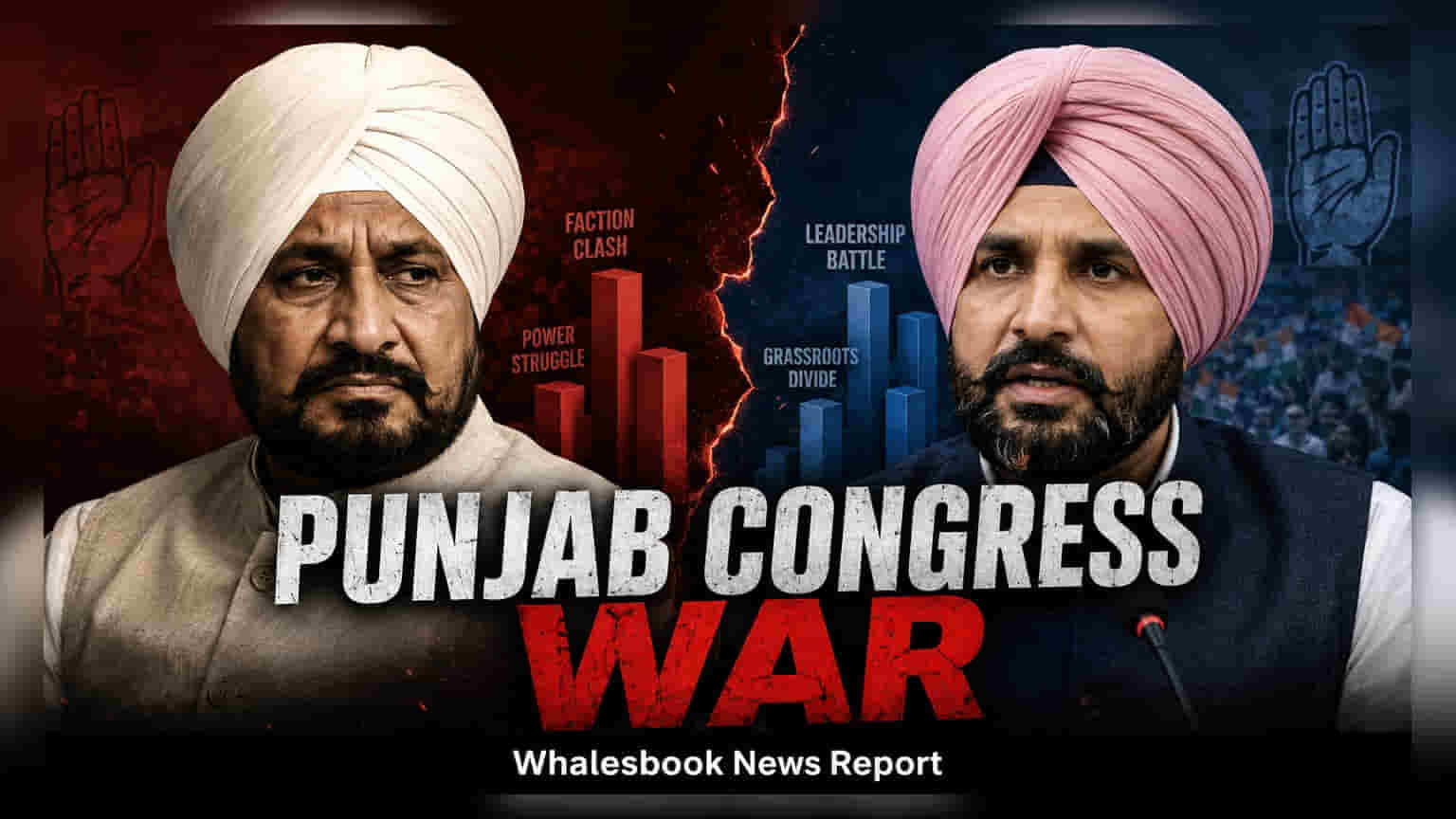
Internal divisions within the Punjab Congress have intensified as supporters of former Chief Minister Charanjit Singh Channi openly challenge the leadership of state president Amrinder Singh Raja Warring. This public discord comes despite mediation efforts by the party high command, raising questions about organizational stability ahead of upcoming assembly elections.
Internal political friction within the Punjab Congress unit has reached a new peak, with a significant group of leaders openly aligning themselves with former Chief Minister Charanjit Singh Channi. This movement has manifested through public shows of solidarity, including a coordinated social media effort where leaders shared images supporting Channi against the incumbent state president, Amrinder Singh Raja Warring.
Leadership Dispute and Failed Mediation
The current stalemate follows the party's decision to confirm Warring as state president and appoint Channi as the chairperson of the campaign committee. Discontent among senior party members has been simmering since these roles were assigned, with the Channi-led faction actively lobbying for a leadership change. Reports indicate that a group of approximately 80 leaders, including several Members of the Legislative Assembly, have formally expressed their refusal to accept Warring’s leadership to party mediators.
In an attempt to resolve the escalating infighting, the All India Congress Committee (AICC) dispatched General Secretary Bhupesh Baghel to Punjab. Despite holding discussions with key figures from both the Warring and Channi camps, the mediation efforts did not result in a compromise. Baghel maintained that the party’s decision regarding the state leadership remains final, leaving the internal conflict unresolved.
Impact on Organizational Stability
The factionalism is characterized by a high-profile lineup of dissenters, including former ministers and the Leader of the Opposition, Partap Singh Bajwa. The group is advocating for the replacement of Warring with Channi, citing a need for different leadership direction. This public defiance is occurring at a critical juncture, with party members increasingly focused on the dynamics surrounding the upcoming assembly polls.
For observers of political developments, the core issue remains the persistent lack of consensus between the state leadership and a substantial segment of the party's veteran members. Because the party high command has signaled its intention to stand by its current appointments, the primary monitorable for the coming weeks will be whether the dissident leaders continue their public campaign or if further disciplinary or reconciliatory actions are taken by the national leadership.