

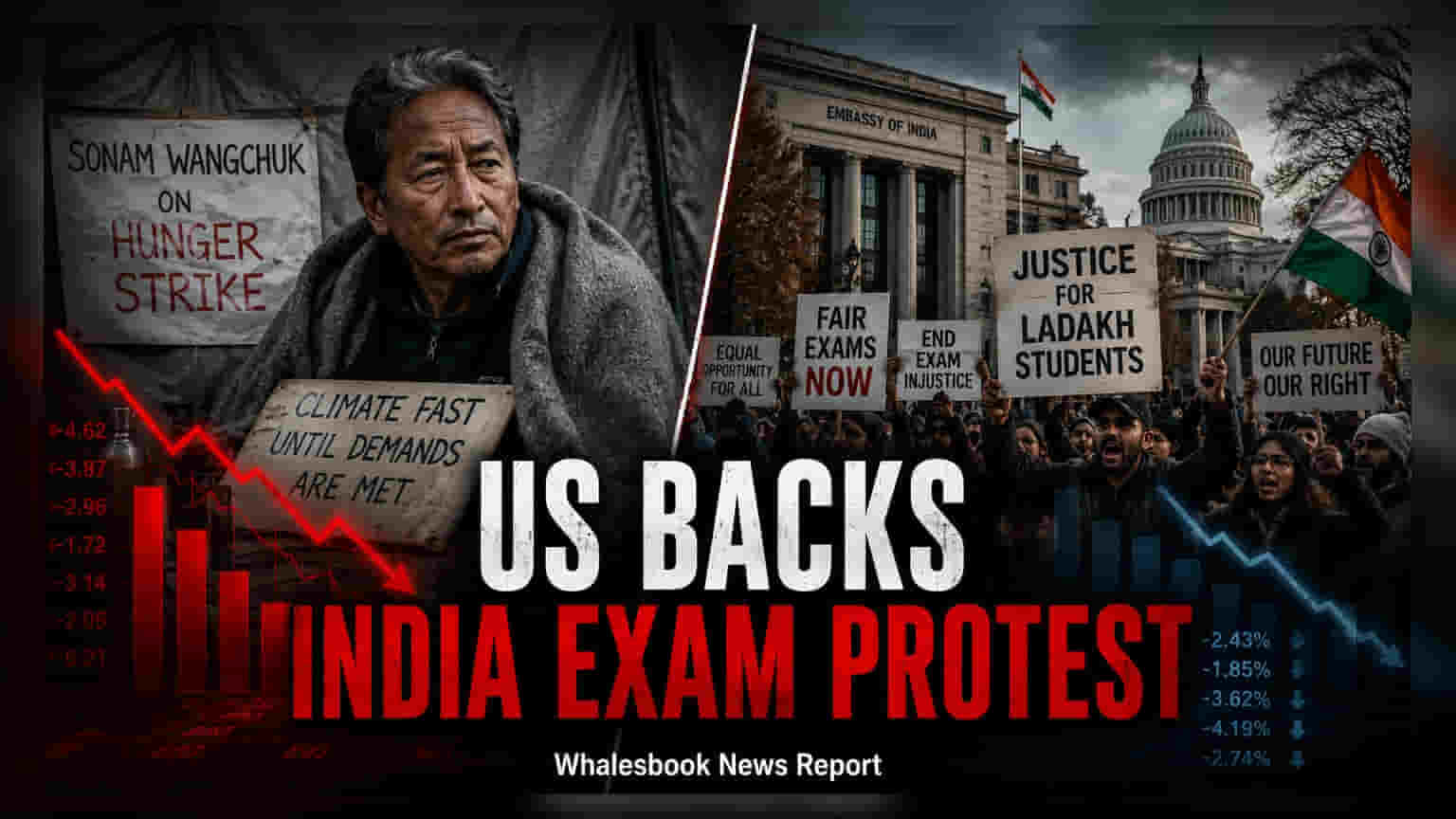
Activists in Washington D.C. have rallied in support of Sonam Wangchuk’s hunger strike in New Delhi, demanding accountability for reported examination system failures. The ongoing protests highlight concerns regarding the NEET testing process, with groups urging the Indian government to engage directly with demonstrators to address systemic governance issues and ensure transparency.
A demonstration held in Washington D.C. this Friday has drawn international attention to the ongoing protests in New Delhi led by climate activist Sonam Wangchuk. Organized by advocacy groups including Hindus for Human Rights and the Azadi Project, the rally was held in solidarity with Wangchuk, who is currently on an indefinite hunger strike to protest against alleged irregularities in India's centralized examination system, most notably the NEET.
Concerns Over Examination Governance
The central issue driving these protests is the demand for greater transparency and accountability within India's high-stakes testing environment. Participants in the Washington rally expressed frustration over recurring allegations of administrative and procedural failures in the examination process. These concerns have led to calls for the resignation of Union Education Minister Dharmendra Pradhan, as protesters demand that the government acknowledge and address the systemic flaws that impact millions of students annually.
Appeals for Government Dialogue
In addition to the physical demonstration, Hindus for Human Rights released an open letter addressed to Prime Minister Narendra Modi. The letter urges the central government to initiate a direct dialogue with the protesters to resolve the standoff. The advocacy group has requested a clear, substantive response regarding the reported governance failures and has called for the implementation of a more credible, transparent process for conducting national examinations. The organization also expressed concern for the health of those currently on a hunger strike, emphasizing that the situation requires urgent government intervention to prevent further escalation.
While the protest highlights growing international concern, the core of the issue remains the domestic debate over educational reform and administrative oversight in India. Investors and the public are tracking these developments closely, as continued instability or failure to address these systemic grievances can impact public policy, institutional trust, and the operational environment of the education and testing sector. The next important steps involve how the government chooses to engage with the protesters and whether any formal structural changes are announced to restore confidence in the examination system.