

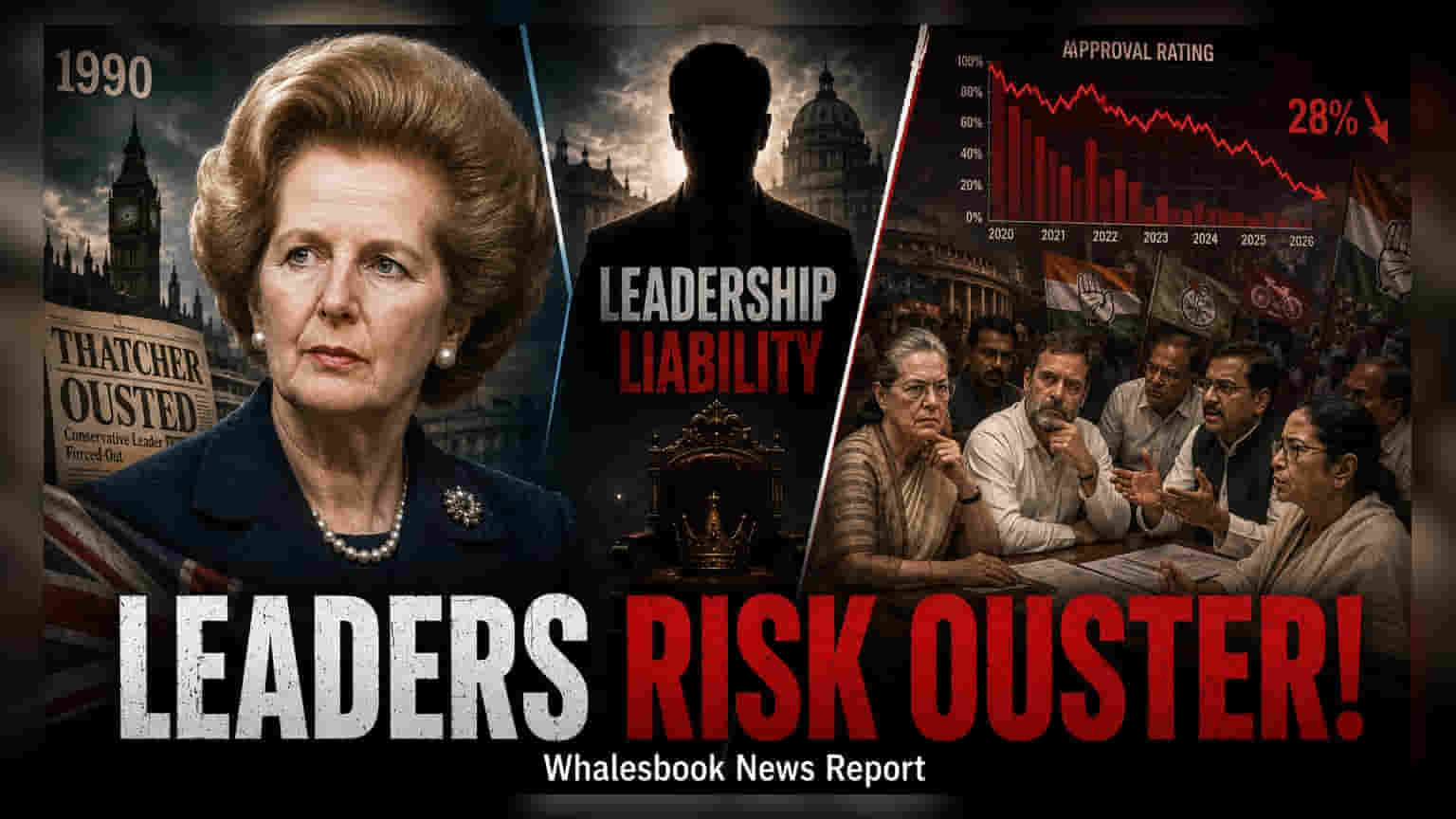
Shifts in political leadership and succession planning affect policy continuity, a factor that long-term investors assess when evaluating governance and country risk.
For long-term investors in the Indian markets, the stability and predictability of government policy are essential components of the economic landscape. While financial analysts typically focus on quarterly earnings and sector trends, political stability and leadership succession planning are recognized as critical factors that shape the broader investment environment.
Political transitions, whether occurring smoothly or through contested changes, can influence the direction of economic reforms, infrastructure spending, and regulatory frameworks. Recent discussions in political commentary have drawn parallels between the challenges of political leadership in India and international historical examples, such as the tenure and eventual ouster of Margaret Thatcher in the UK. The core of this analysis focuses on how political parties manage the aging of their leadership and the transition to a new generation.
From an investment perspective, the central concern during any leadership shift is not necessarily the individual leader, but the continuity of policy. When parties successfully manage succession, it often leads to a more stable governance model. Conversely, when leadership transitions are delayed or poorly managed, it can create uncertainty. This uncertainty may impact decision-making in sectors heavily reliant on government policy, such as infrastructure, manufacturing, and regulated industries.
Different political entities in India have adopted varying models for leadership transition. Some parties, such as the Bharatiya Janata Party, have been noted for their structured approach to identifying and promoting new leadership. Others, including the Congress party and various regional outfits like the DMK, RJD, and Trinamool Congress, face their own distinct set of challenges regarding dynastic succession and the emergence of new leadership tiers. The efficacy of these transitions can impact how effectively these parties govern when in power.
For market observers, the key takeaway is the potential for institutional volatility during leadership changes. As India progresses through the current decade, the evolution of these political dynamics will continue to be a factor that influences the national economic strategy. Investors often monitor these developments to understand the risk of policy shifts and to gauge the overall stability of the governing environment, which remains a cornerstone for long-term capital allocation.