

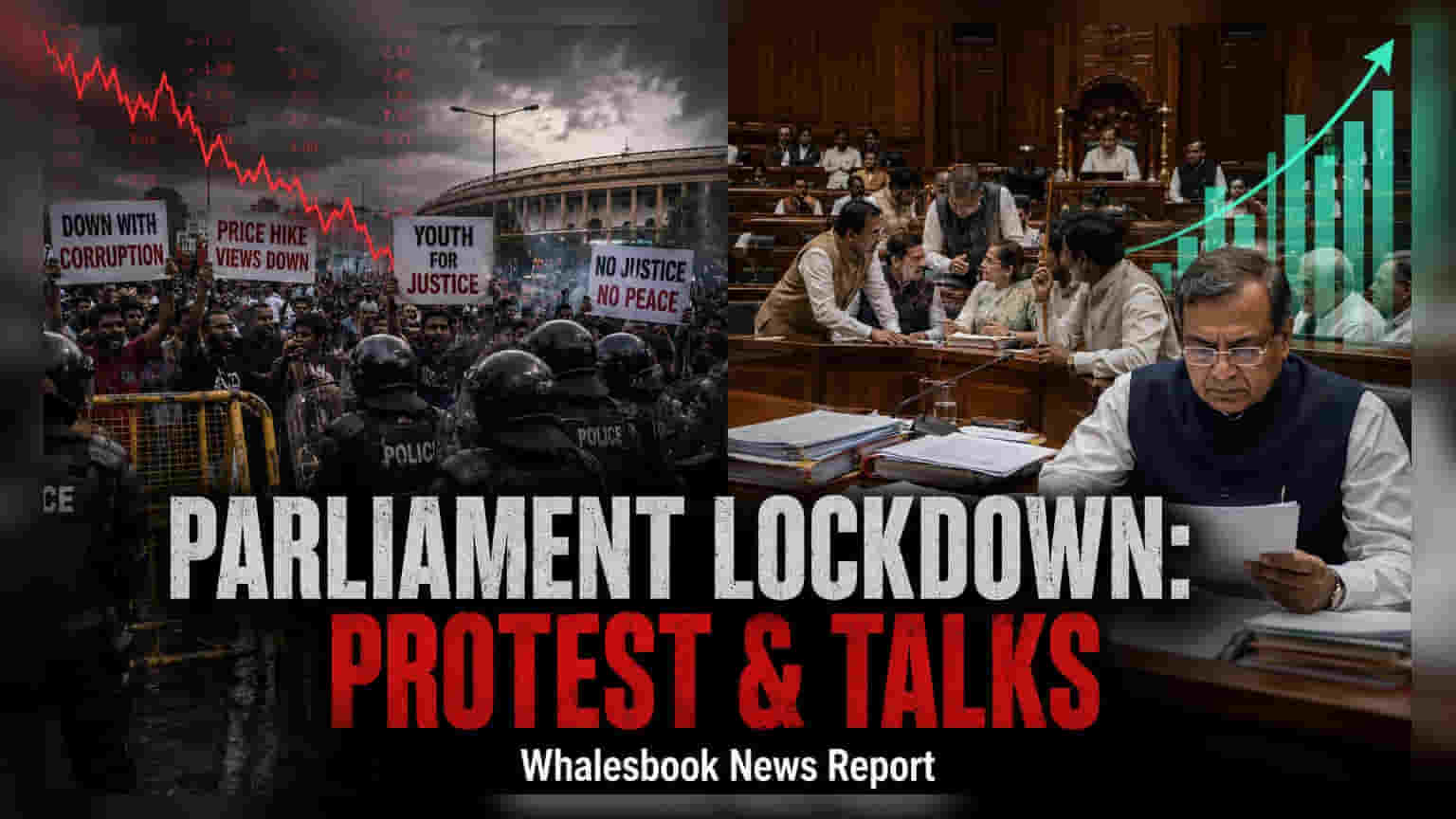
Parliamentary proceedings were marked by protests from Citizens for Justice and Peace (CJP) regarding education policy on July 21, 2026. While the demonstration caused security and traffic disruptions, Union Ministers held parallel discussions with protest representatives. The situation remains a key point of focus for the ongoing legislative session as the government seeks to manage the agitation.
Detailed Coverage
The Parliament complex in New Delhi became the focal point of a significant demonstration on July 21, 2026, as the Citizens for Justice and Peace (CJP) gathered to voice concerns over national education policy. The protest led to high-security measures around the area, affecting the movement of lawmakers and causing notable traffic delays in the capital. The legislative session, which was intended to focus on policy, saw immediate interruptions as political parties navigated the situation both inside and outside the chambers.
Political Response and Strategy
A clear divide in political reaction emerged within the Parliament. Opposition Members of Parliament expressed solidarity with the protesters' grievances, with the Samajwadi Party taking a proactive stance. Party president Akhilesh Yadav was seen coordinating with colleagues, leading to a march by women MPs within the premises to draw attention to the issues raised by the CJP. Conversely, leaders from the ruling National Democratic Alliance (NDA) criticized the demonstrations, highlighting the resulting inconvenience to the general public and the disruption caused to legislative work.
Government Dialogue and Security Measures
In an effort to manage the situation, the government initiated formal dialogue. Union Minister JP Nadda held discussions with representatives from the CJP, receiving a written memorandum detailing their specific demands. This process occurred alongside high-level internal meetings involving Home Minister Amit Shah, Union Minister Dharmendra Pradhan, and Union Minister Piyush Goyal, who spent several hours assessing the situation and exploring potential resolutions.
At approximately 12:30 PM, security within the Parliament complex was temporarily heightened. CISF personnel were deployed in increased numbers, and specific entry points for Members of Parliament were restricted for a period to maintain order. Following these measures, security protocols were adjusted as officials continued their internal deliberations.
Investor and Legislative Context
For investors and market participants, the primary concern regarding such parliamentary disruptions is the potential impact on the legislative agenda. When protests interfere with the functioning of the Houses, it can lead to delays in the passage of critical economic bills, infrastructure approvals, or policy reforms that markets often track. While the government has called for the agitation to be called off, the lack of an immediate assurance on the CJP's core demands suggests that further developments may follow. Investors and observers should monitor the progress of upcoming legislative sessions to determine whether these political events create significant friction in policy implementation or cause further administrative delays in the national capital.