

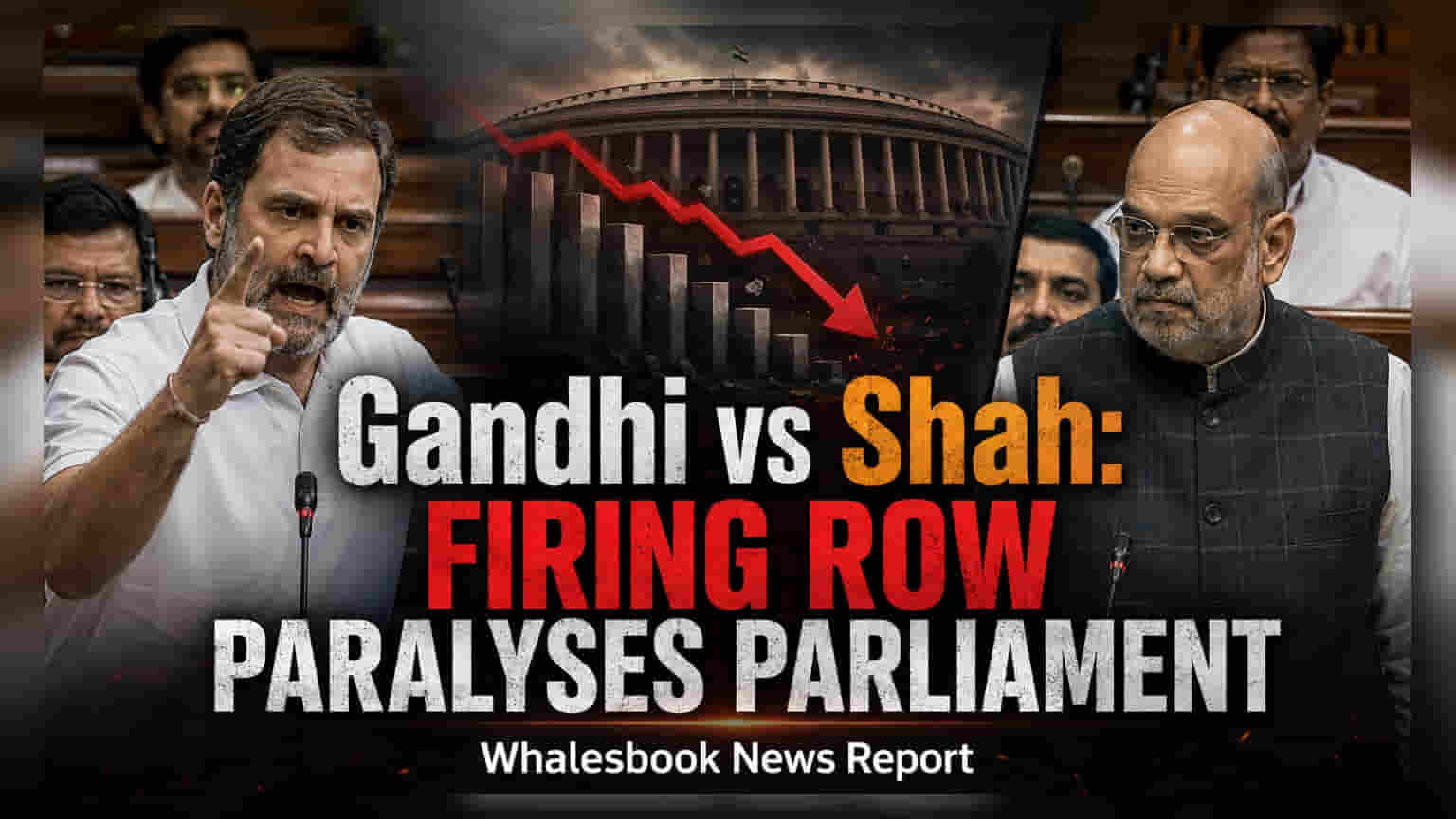
Parliamentary sessions remain deadlocked for a 15th consecutive day as the Opposition, led by Rahul Gandhi, demands a statement from Home Minister Amit Shah regarding police action during a Delhi student protest. The standoff impacts the legislative calendar, as investors typically look to Parliament for updates on economic policy and pending bills. The government continues to call for a return to normal proceedings to resume debates.
Parliamentary proceedings in both the Lok Sabha and Rajya Sabha have been disrupted for over two weeks, continuing a stalemate that has prevented the regular conduct of legislative business during the current Monsoon Session. The impasse is driven by the Opposition's demand for a direct response from Union Home Minister Amit Shah regarding the use of force against students in Delhi on June 20.
Rahul Gandhi, the Leader of the Opposition, has rejected offers for a general parliamentary discussion, insisting that the Home Minister must address specific questions about who authorized the police action on that date. The Opposition has stated they are seeking clarity on the alleged use of pellet guns and lathis against demonstrators. The government has denied these claims regarding the nature of the force used and has urged the Opposition to allow the House to function.
Beyond the specific incident on June 20, the Opposition has raised additional points of contention, including a demand for an apology from Prime Minister Narendra Modi regarding various issues and allegations concerning the management of the Ram Mandir. Parliamentary Affairs Minister Kiren Rijiju has stated that the government is prepared to address the Opposition's concerns in a structured debate, provided that the house maintains order.
For the markets and the broader economy, prolonged parliamentary gridlock is a key monitorable. Legislative sessions are the primary channel for the government to introduce and pass economic reforms, budget allocations, and regulatory changes. When proceedings are halted for extended periods, the timeline for passing pending bills or discussing national economic policy can face delays. Investors generally track parliamentary productivity as a sign of policy stability and the speed at which the government can implement its agenda.
While the current impasse remains focused on specific political issues, the ongoing disruption means that the legislative calendar for this session is effectively on hold. The next crucial update for stakeholders will be whether the government and the Opposition can reach a consensus to resume functional proceedings, which would allow the legislative agenda to move forward.