

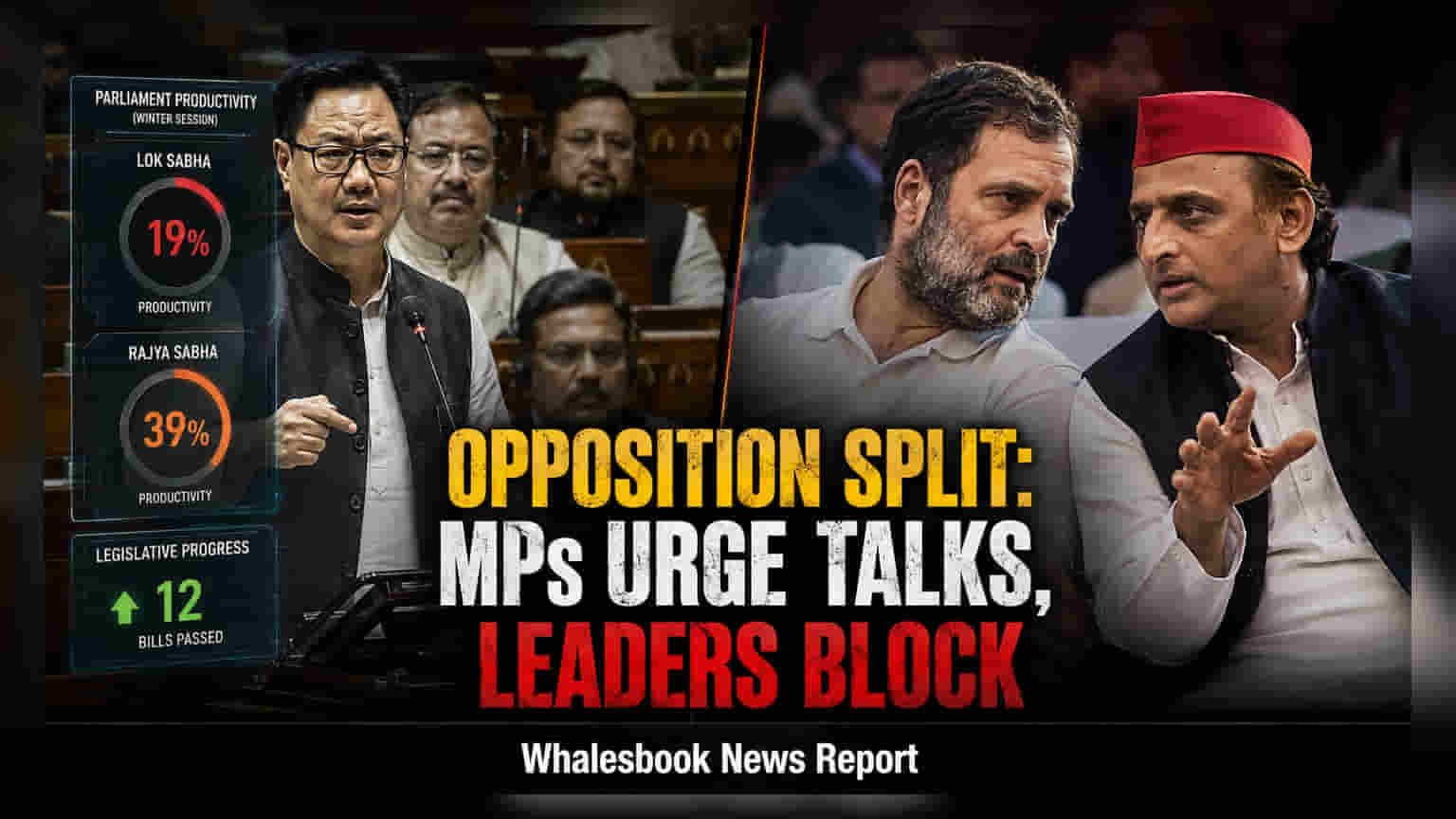
Parliamentary Affairs Minister Kiren Rijiju stated that several opposition MPs privately sought his intervention for legislative debates, citing resistance from their own leadership. The recently concluded Monsoon Session passed 12 bills but faced significant disruptions, with Lok Sabha productivity dropping to 19%, highlighting ongoing challenges in parliamentary legislative processes.
Union Parliamentary Affairs Minister Kiren Rijiju has stated that multiple opposition Members of Parliament privately reached out to him during the recent session, expressing a strong desire to participate in debates on key legislative matters. According to the Minister, these lawmakers urged him to engage with senior opposition leaders, including Congress leader Rahul Gandhi and Samajwadi Party chief Akhilesh Yadav, to facilitate constructive discussions on the floor of the House.
Rijiju claimed that while the government made consistent efforts to engage with opposition parties through the Business Advisory Committee and offered sufficient time for debates, these efforts were often sidelined by the leadership's stance. He asserted that a significant number of opposition MPs were willing to contribute to legislative proceedings but were constrained by their party's approach to confrontations within the House.
The Monsoon Session, which recently concluded, resulted in the passage of 12 bills. However, the session was marked by persistent disruptions, leading to low productivity figures. Data indicates that the Lok Sabha functioned for only about 19% of its scheduled time, while the Rajya Sabha recorded a productivity level of 39%. These figures have drawn attention to the challenges of balancing political opposition with the need for detailed parliamentary scrutiny of new laws.
From a policy perspective, the consistency and quality of legislative debate remain important for long-term economic reforms and regulatory stability. When parliamentary sessions face prolonged disruptions, the ability to conduct thorough reviews of new legislation, such as the proposed amendments to the Foreign Contribution (Regulation) Act, can be limited. The government has indicated that it remains open to further consultations, citing its decision to refer certain bills to a Joint Parliamentary Committee for more detailed examination rather than rushing them through amidst chaos.
Looking ahead, the focus for the government will be on ensuring smoother proceedings in the upcoming Winter Session. The ability of the Parliament to function effectively is often viewed as a key indicator of institutional stability, allowing for the timely passage of bills that impact various sectors of the economy. Investors and stakeholders typically monitor these developments to gauge the pace of the government's policy reform agenda and its overall ease of managing the legislative calendar.