

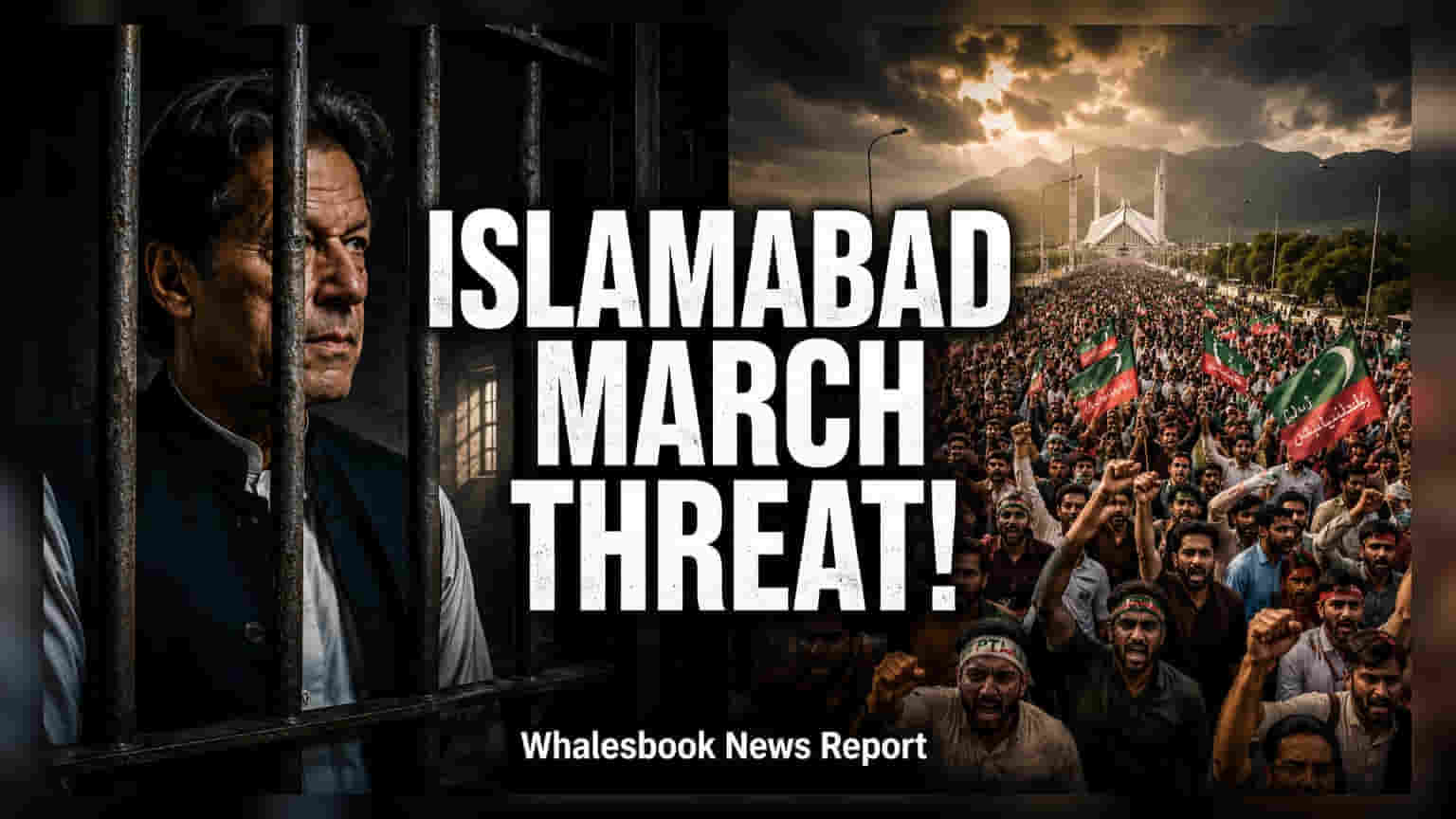
The Pakistan Tehreek-e-Insaf (PTI) party has announced a protest march to Islamabad on September 27, 2026, demanding legal relief for former Prime Minister Imran Khan. This move raises political tensions in Pakistan, potentially leading to increased market volatility and business disruptions. Investors remain cautious as historical protests in the region have often resulted in supply chain delays, internet restrictions, and reduced commercial activity.
The Pakistan Tehreek-e-Insaf (PTI), led by its regional leadership including Khyber Pakhtunkhwa Chief Minister Muhammad Suhail Afridi, has issued an ultimatum to the government. The party plans a large-scale march toward Islamabad on September 27, 2026. This announcement follows nationwide demonstrations marking the third anniversary of former Prime Minister Imran Khan's incarceration. The PTI is demanding expedited, merit-based judicial hearings for cases involving Khan and his wife, Bushra Bibi, alongside the restoration of their access to legal counsel and family.
For investors and market observers, this development signals a period of heightened political uncertainty. Pakistan's economy has faced significant challenges, and political instability is a key factor that can affect the performance of the Pakistan Stock Exchange (PSX). Historically, periods of intense political agitation in Pakistan have coincided with volatility in equity markets, as investors prefer stability for long-term capital allocation.
Beyond market sentiment, such protests often carry direct operational risks for businesses. Large-scale demonstrations in the capital and other major urban centers frequently lead to security lockdowns, roadblocks, and the suspension of mobile or internet services. These actions can disrupt supply chains, impact local logistics, and cause temporary closures of retail and commercial establishments. Companies with significant exposure to the Pakistani market typically monitor these events to assess potential impacts on revenue, footfall, and operational continuity.
International rating agencies and brokerage houses often flag political instability as a primary risk for Pakistan's fiscal outlook. Frequent political protests can hinder the government's ability to implement economic reforms, attract foreign direct investment, and maintain steady policy momentum. Investors will likely look for updates regarding the government's response to the September 27 call, specifically whether authorities allow the protest to proceed peacefully or implement strict security measures that could further restrict economic activity in the region.
The upcoming weeks will be crucial as both the government and the opposition navigate this standoff. Market participants will track developments such as potential government dialogue, changes in security deployment, and any broader impact on trade routes or business hours in the National Capital Territory. Any escalation in tensions is generally viewed by the investment community as a factor that could exacerbate existing economic pressures in the country.