

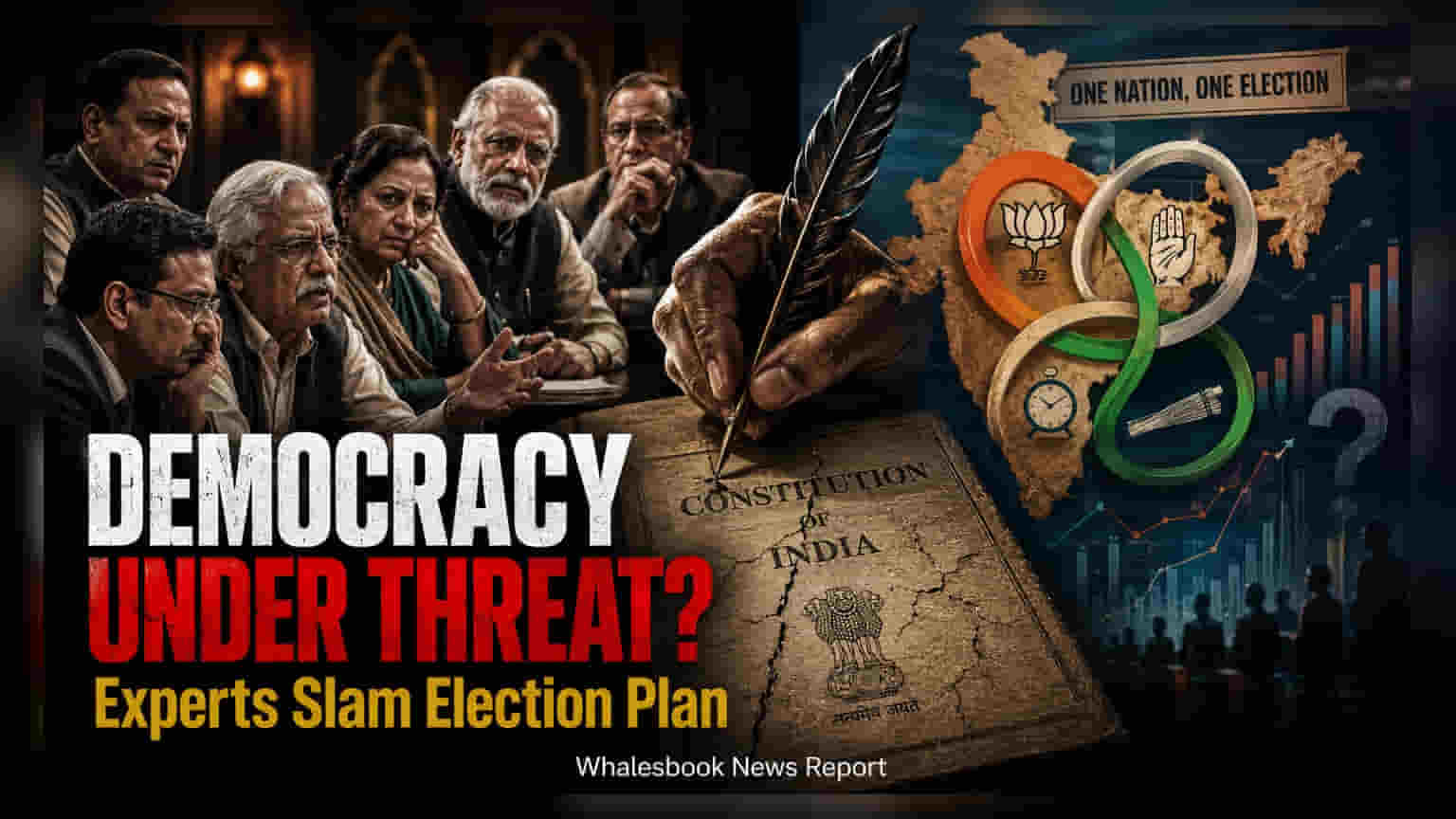
A group of former bureaucrats, diplomats, and legal experts met in Delhi to express concerns regarding the ‘One Nation, One Election’ initiative. Participants argued the proposal could impact India’s federal structure and institutional checks. Investors often monitor such high-level policy discussions as they can influence long-term governance, regulatory stability, and the overall business environment.
A gathering of former government officials, diplomats, and legal experts recently convened in Delhi to voice concerns over the government’s 'One Nation, One Election' proposal. This initiative, which aims to synchronize Lok Sabha and state assembly elections, has become a focal point of debate regarding the potential shift in India’s democratic and federal processes.
Concerns Over Federal and Institutional Impact
The discussion, led by members of the Constitutional Conduct Group and the Group on Federalism and Elections, included former judges and retired election commissioners. These speakers cautioned that holding simultaneous elections could change how local and national issues are balanced during the voting process. For market participants and observers, such debates are significant because they relate to the stability and predictability of governance, which are factors in long-term economic planning and policy implementation.
Broader Governance and Social Considerations
Beyond the election proposal, the meeting touched upon anxieties regarding the use of administrative data, such as census records and electoral rolls. Participants expressed concern that changes in how these data sets are managed could lead to public confusion or impact community relations in various states. In the context of the Indian economy, clarity in administrative procedures and social stability are often considered important for consistent business operations and investor confidence. While economic growth typically remains the primary driver for markets, policy discussions that touch upon constitutional and federal frameworks are monitored for their potential to influence the legislative environment.
Looking Ahead for Policy Developments
The participants emphasized a need for continued discussion and collective action to address these concerns within the framework of constitutional norms. For those tracking the Indian political and regulatory landscape, the key monitorable remains the formal legislative progress of the 'One Nation, One Election' proposal. Investors will likely look for updates from the central government, official parliamentary discussions, and any subsequent amendments to the Representation of the People Act that would be necessary to implement such a change. Understanding the timeline and the final structure of this policy will be essential for assessing its long-term impact on the country’s federal governance model.