

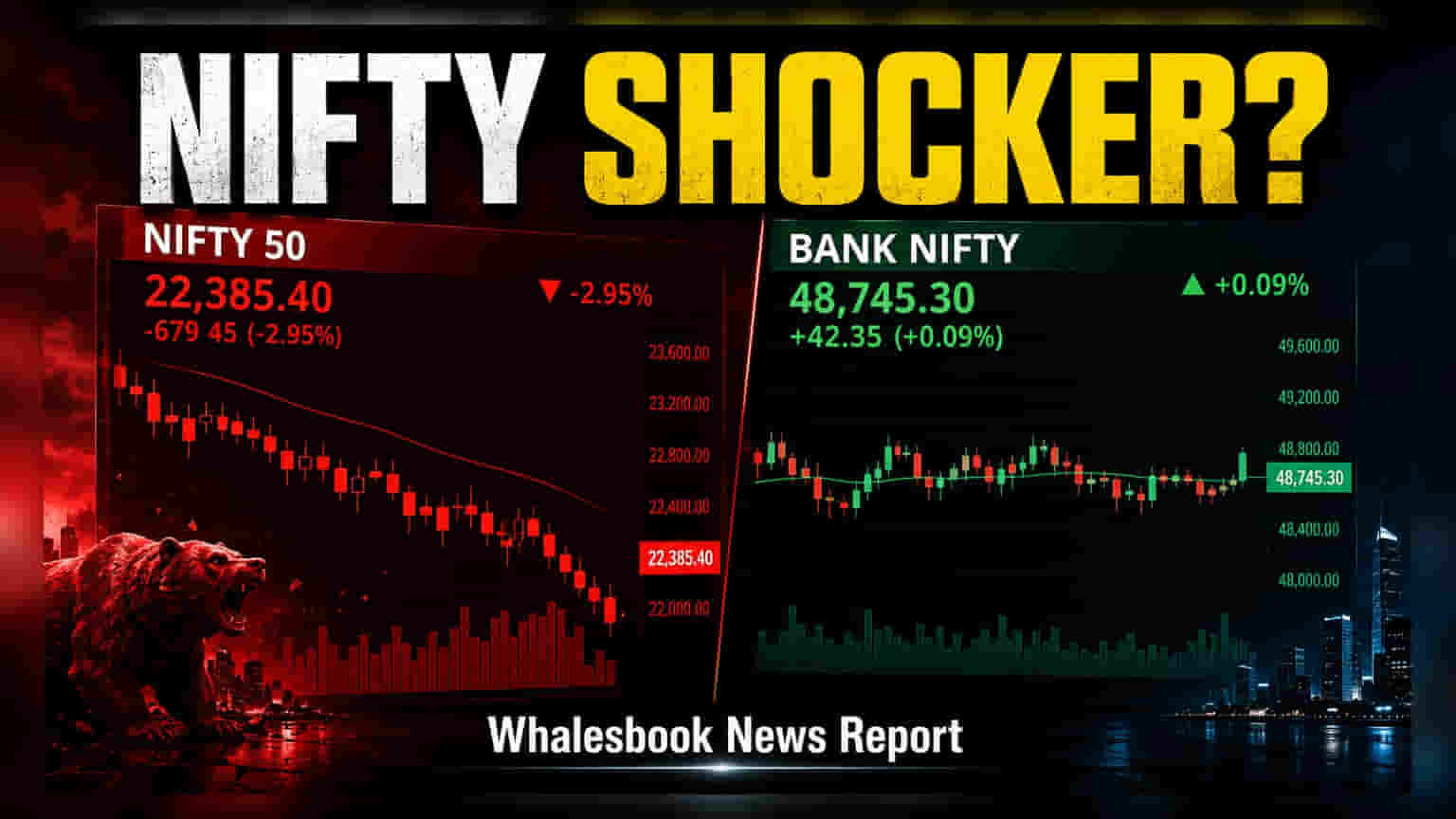
Indian markets remained range-bound on August 5, 2026, as the RBI held the repo rate steady at 5.25%. While the central bank raised its GDP growth outlook, concerns over rising crude oil prices and geopolitical tensions capped gains. The Nifty closed nearly flat, while Bank Nifty ended lower, leaving traders to focus on key support levels between 24,350 and 24,400.
Indian stock markets navigated a cautious session on August 5, 2026, as investors assessed the Reserve Bank of India’s latest monetary policy decision. The Nifty 50 finished the day almost flat at 24,624.65, gaining just 9.75 points, while the Bank Nifty declined 0.29% to close at 57,739.95. The BSE Sensex managed a modest gain, rising 152.05 points to 78,581.00.
The Monetary Policy Committee unanimously decided to keep the repo rate unchanged at 5.25% and maintained a neutral stance. This policy decision was largely in line with expectations. Providing a potential boost to long-term sentiment, the central bank revised its FY27 GDP growth forecast upward to 6.7% from 6.6% and lowered its inflation projection to 5.0% from 5.1%. Despite these positive economic updates, the market remained range-bound throughout the day.
On the charts, the Nifty 50 is facing stiff resistance in the 24,750 to 24,800 zone. If the index fails to break through this hurdle, traders are watching the 24,350 to 24,400 area as a critical support level. A breach below this support could indicate a shift in the current momentum. The Bank Nifty also showed signs of indecision, struggling to hold gains throughout the session.
External pressures played a role in limiting the upside. Geopolitical tensions in West Asia, particularly concerns regarding the Strait of Hormuz, caused crude oil prices to rise toward $80 per barrel. This has created caution among investors regarding potential supply disruptions and future inflation risks. Additionally, the market is adjusting to the newly introduced Closing Auction Session mechanism, which has led to some late-session volatility and price swings in the final minutes of trade.
Investors will now monitor global cues and further crude oil price movements to see if the index can sustain its support levels. The performance of the broader market, which saw gains in the metal and auto sectors, remains a key area of focus to see if sectoral rotation can provide the next push for the headline indices.