

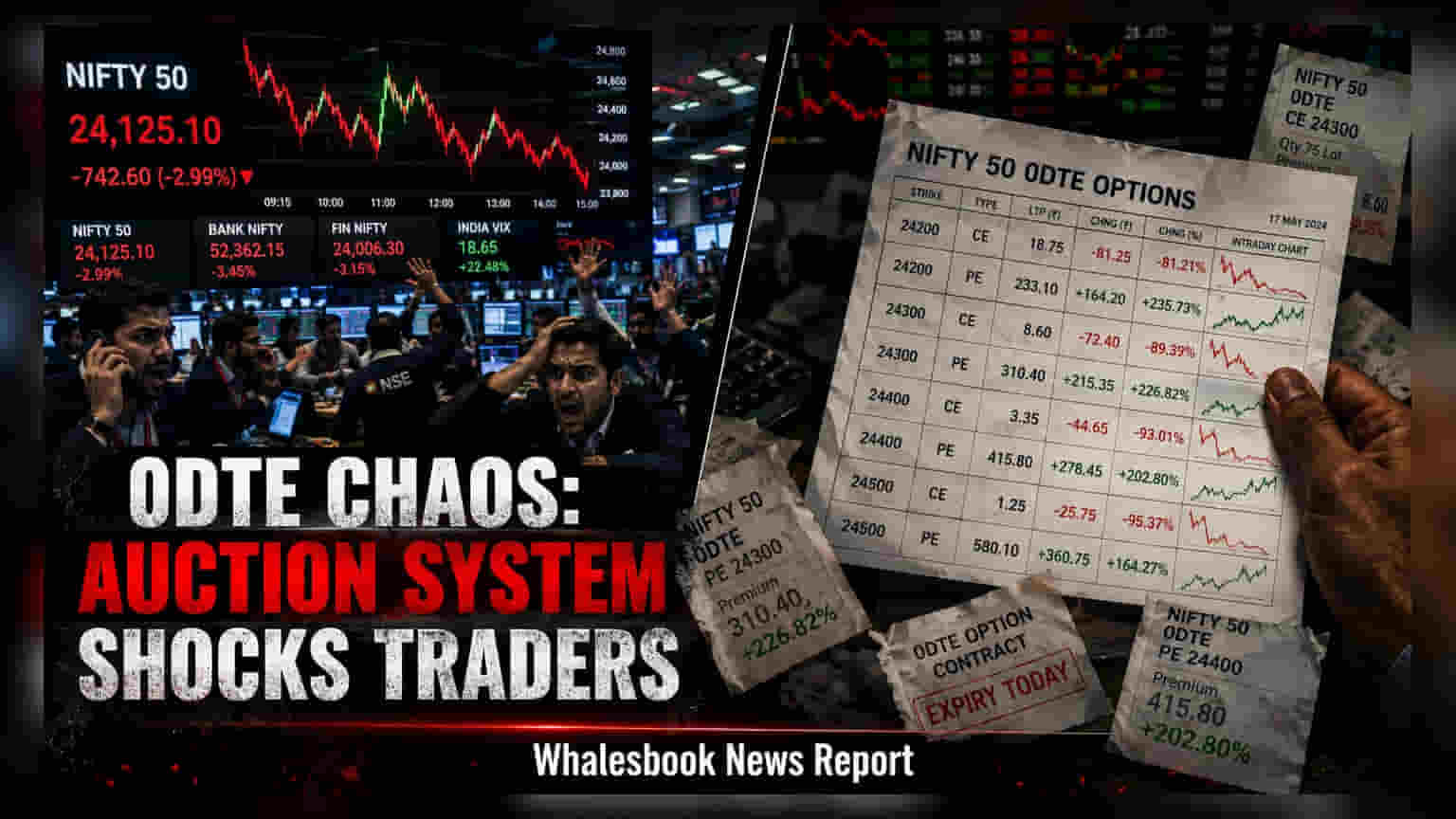
Following the implementation of a new Closing Auction Session on August 3, 2026, traders are facing increased volatility in zero-days-to-expiration (0DTE) options. The shift in how closing prices are calculated has created a pricing disconnect between the cash and derivatives markets, complicating hedging strategies and causing sudden spikes in option premiums as participants adjust to the new system.
The National Stock Exchange (NSE) and BSE implemented a new Closing Auction Session (CAS) for F&O-eligible stocks on August 3, 2026, marking a significant change in how the market settles at the end of the day. This new system replaces the previous 30-minute Volume Weighted Average Price (VWAP) method. Under the updated rules, continuous cash market trading concludes at 3:15 PM, followed by a 20-minute auction period that determines a single equilibrium closing price. To accommodate this, the trading hours for equity derivatives were extended by 10 minutes, now concluding at 3:40 PM.
This structural change has created immediate challenges for traders using zero-days-to-expiration (0DTE) options. These contracts expire on the same day they are traded, making them highly sensitive to price movements in the final minutes. Because the cash market effectively enters an auction phase at 3:15 PM, traders find it difficult to execute hedges using the underlying stocks until the auction settles at 3:35 PM. This 20-minute gap, during which the derivatives market remains open, has led to a lack of liquidity and difficulty in managing risk.
Market data since the implementation has shown significant volatility. Traders have observed unexpected spikes in implied volatility and option premiums during the closing hour. Because the auction determines a final price that may differ from the last traded price in the continuous session, indices like the Nifty 50 and Sensex have experienced sudden price swings. These movements are sometimes not immediately reflected in futures contracts, leading to price dislocations that can abruptly push sold options 'in the money' right before expiry.
Financial experts and brokerages have noted that these conditions are discouraging some market participants from writing options near the end of the day. The uncertainty regarding where the final settlement price will land has made hedging expensive and unpredictable. Consequently, some traders are choosing to close their positions before the 3:15 PM cash market close rather than risking exposure to the auction process.
The impact has extended beyond individual traders to other financial products. Arbitrage funds and index-linked products, such as ETFs, have reported temporary challenges with Net Asset Value (NAV) reporting. These funds rely on the gap between cash market closing prices and futures settlement, and the new auction mechanics have occasionally caused valuation discrepancies.
For investors and active traders, the primary monitorable in the coming weeks will be how the market adjusts to the new auction mechanism. As participants become more familiar with the auction process and liquidity patterns normalize, the intensity of these volatility spikes may subside. Until then, the risk of unpredictable price moves during the closing session remains a key factor for anyone managing derivative positions near expiry.