

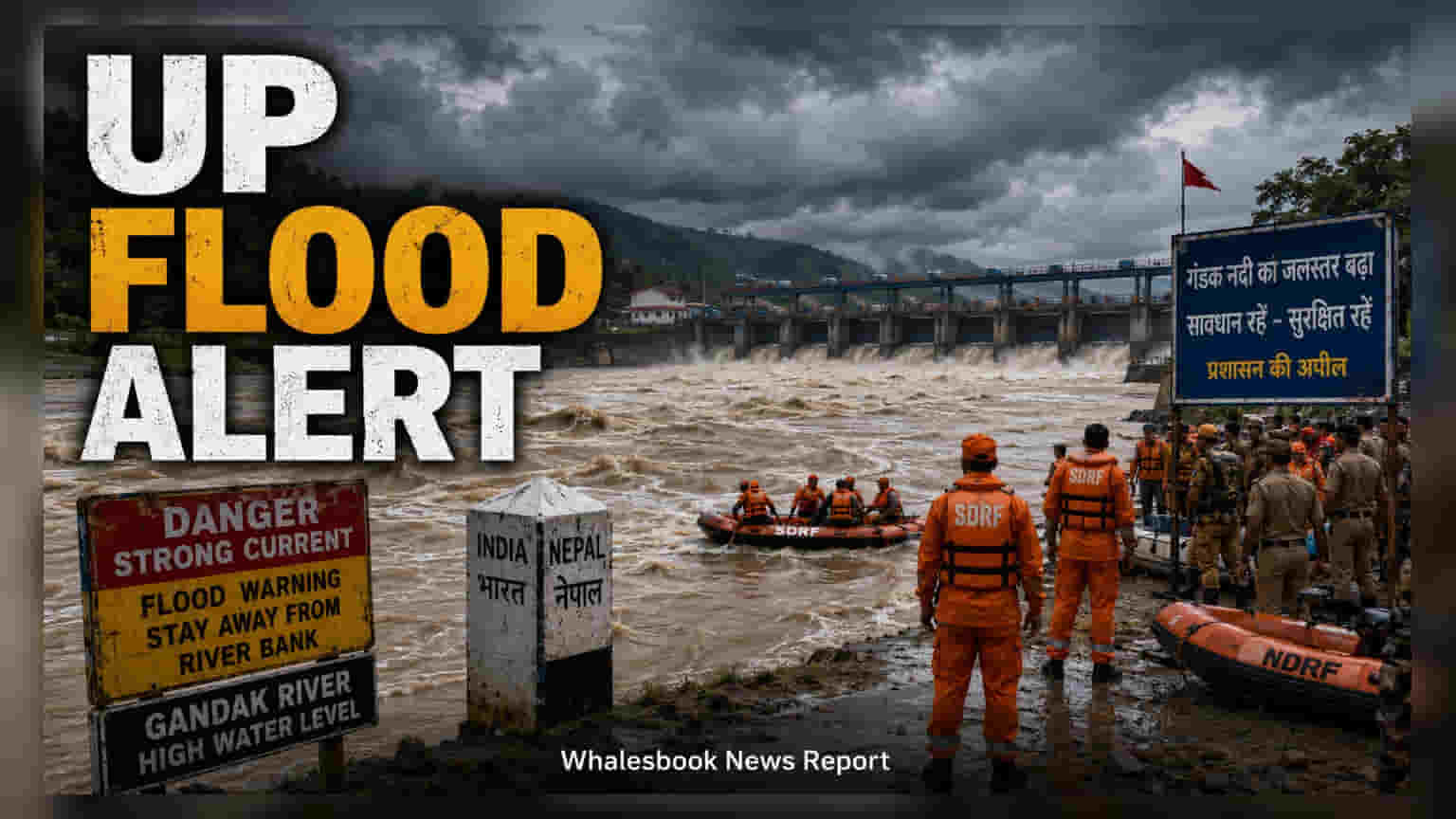
Authorities in Uttar Pradesh and Bihar are on high alert following massive flash floods in Nepal, suspected to be a Glacial Lake Outburst Flood. The event has triggered an emergency response, including the opening of the Gandak Barrage to manage surging water levels. For investors, regional infrastructure, agriculture, and local logistics in these border districts may face temporary disruptions as authorities prioritize disaster management and public safety.
A significant environmental and safety crisis is unfolding across the India-Nepal border as flash floods in Nepal’s Rasuwa district have prompted urgent high-alert protocols in the Indian states of Uttar Pradesh and Bihar. The event, which occurred on August 26, 2026, is suspected to be a Glacial Lake Outburst Flood (GLOF), causing rapid and high-velocity water accumulation that is currently moving downstream into Indian river systems.
In Uttar Pradesh, Chief Minister Yogi Adityanath has mobilized district administrations in vulnerable border areas, including Maharajganj, Kushinagar, and Deoria. The primary concern is the Gandak and Narayani river systems, which are experiencing sudden and sharp increases in water volume. Local authorities are coordinating emergency evacuation efforts, focusing on relocating residents from low-lying diara areas and riverside dwellings to safer locations. The State Disaster Response Force (SDRF) and local police units have been deployed to ensure residents adhere to safety protocols.
Simultaneously, in Bihar, authorities are managing a critical hydrological situation at the Gandak Barrage in Valmikinagar. To mitigate the risk of embankment breaches and uncontrolled overflow, officials opened all 36 gates of the barrage. Reports indicated that water discharge reached approximately 86,000 cubic feet per second (cusecs) by midday, a measure taken to stabilize the pressure against the infrastructure. National Disaster Response Force (NDRF) teams are actively monitoring the riverbanks across West Champaran, East Champaran, Gopalganj, Saran, Muzaffarpur, and Vaishali districts to assist with potential evacuations and prevent loss of life and livestock.
For investors and market observers, the situation highlights the inherent risks associated with regional infrastructure and economic stability during extreme natural events. While the immediate focus remains on humanitarian relief, the flooding of low-lying areas often leads to short-term disruptions in local supply chains, agricultural productivity, and surface connectivity. Transport links in border regions can face damage, and the inundation of agricultural land can impact crop cycles in the affected districts.
Looking ahead, the stability of infrastructure, including roads and energy projects in the upstream regions, remains a key monitorable. The government is currently coordinating with officials in Nepal to assess the damage to upstream infrastructure, as this will determine the duration and intensity of the water surge. The next important updates will likely come from the disaster management cells in both states, focusing on water discharge data from the barrage and weather forecasts for the mountainous regions in Nepal.