

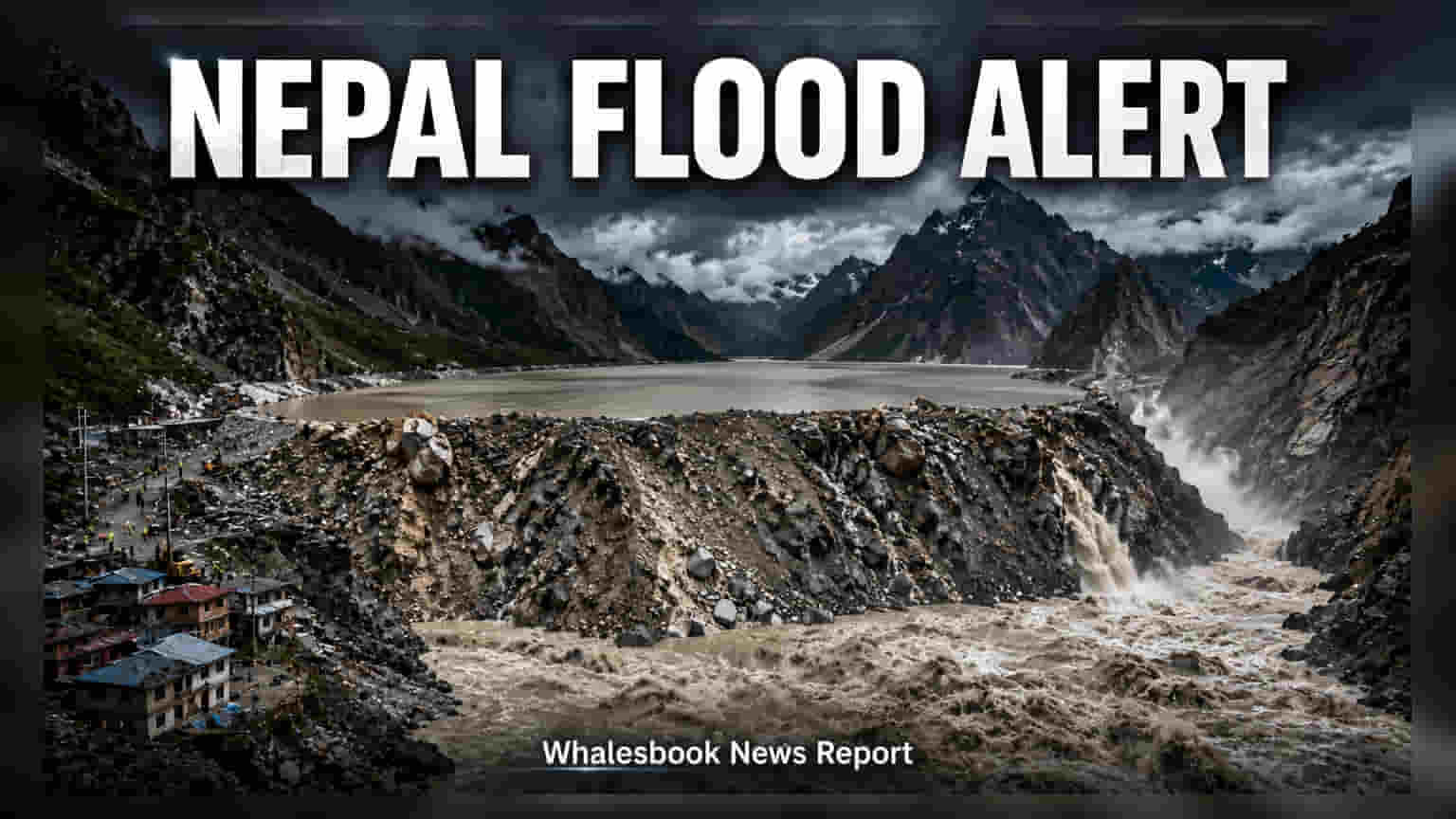
Nepal is on high alert due to an unstable barrier lake threatening the Bhote Koshi river basin, compounding a recent flash flood that has damaged 12 hydropower projects. The disaster has disconnected over 431 MW from the national grid, triggering volatility in hydropower and insurance stocks on the Nepal Stock Exchange.
Nepal’s energy infrastructure is facing a severe crisis following a catastrophic flash flood on August 26, 2026, which has been further complicated by the formation of an unstable barrier lake near the Tibet border. Authorities have issued high-alert warnings for the Bhote Koshi and Trishuli river corridors, as current assessments indicate a buildup of approximately 2 million cubic meters of water, with projections suggesting an additional 3 million cubic meters could accumulate within the next 72 hours.
The immediate economic impact has been significant, particularly for the country’s energy sector. Twelve hydropower projects and one solar plant have been forced off the grid, resulting in a sudden loss of 431.1 MW of power generation. Specific projects, including Rasuwagadhi, Sanjen, and Chilime, have sustained damage, raising concerns about the timeline for restoration and the potential for long-term revenue loss. This disruption is a substantial setback for Nepal’s energy supply, which relies heavily on these river-run projects.
Financial markets have reacted to the instability. The Nepal Stock Exchange (NEPSE) has seen sharp declines, with selling pressure concentrated in hydropower and non-life insurance companies. For investors, this event highlights the inherent risks associated with infrastructure assets located in the Himalayan region, where climate-related events such as ice-rock avalanches and glacial lake outbursts can cause rapid, unforeseen damage to physical assets.
The situation remains fluid as authorities monitor the structural integrity of the debris dam. While the primary focus is on humanitarian rescue and evacuation, the secondary risk of a breach of this natural barrier continues to threaten downstream communities and further infrastructure damage.
Looking ahead, market participants will likely monitor the stability of the barrier lake and the subsequent assessment of damage to the impacted power projects. Investors should track official reports on the restoration timelines for these disconnected plants, as these will directly influence the short-term financial performance of the affected energy companies. The resilience of these assets against such high-altitude climate events is now a key factor for stakeholders to evaluate when considering long-term investments in the region’s hydropower sector.