

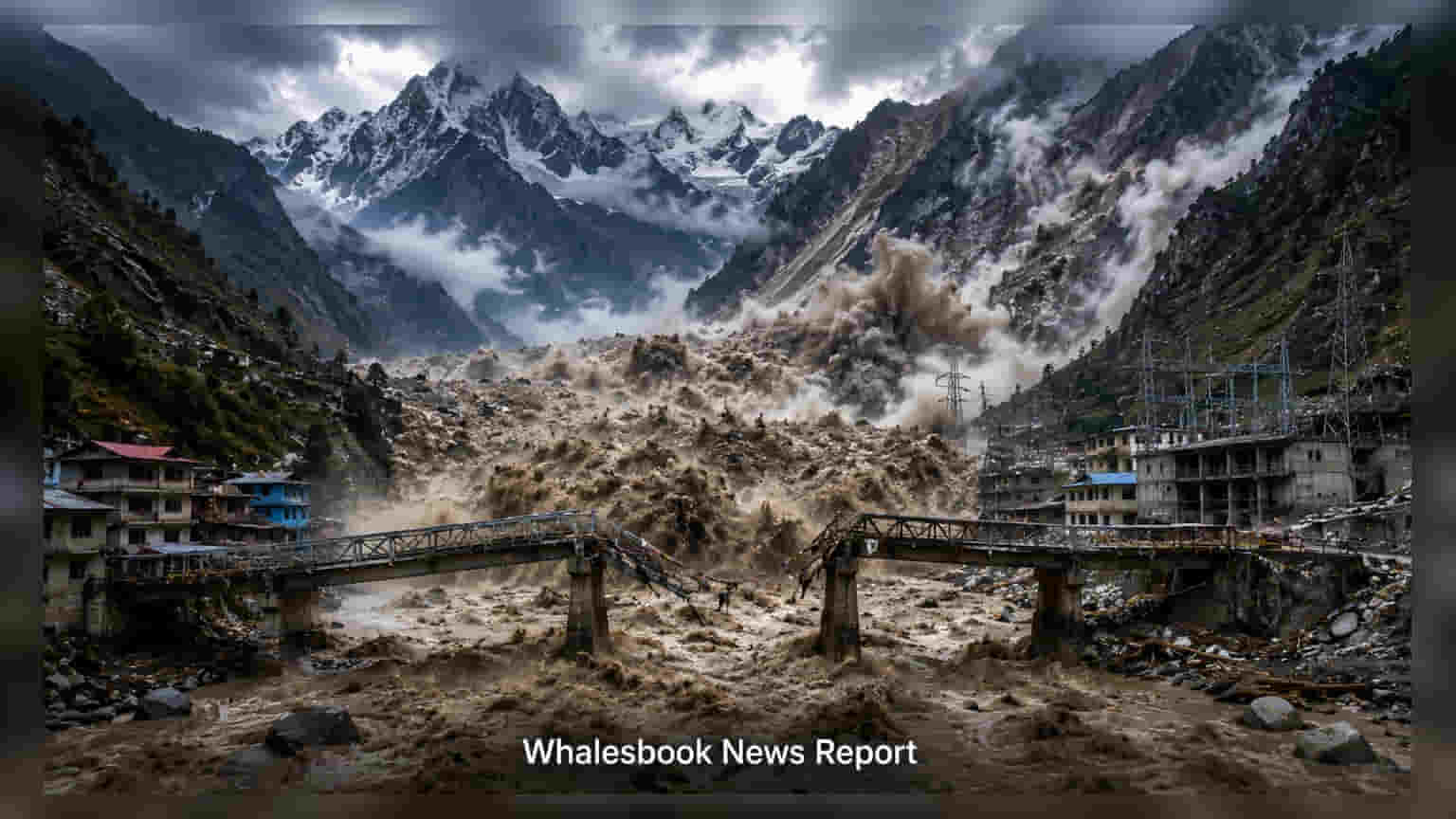
A severe ice-rock avalanche in Nepal’s Rasuwa district on August 26 has caused devastating flash floods, destroying key infrastructure and impacting regional hydropower assets. Investors in the power sector should monitor potential operational disruptions and project delays as secondary risks, such as landslide dam collapses, remain a critical concern in the Himalayan region.
A massive ice-rock avalanche in Nepal’s Rasuwa district on August 26, 2026, has resulted in a destructive flash flood, severely impacting the Bhote Koshi and Trishuli river systems. Experts from the International Centre for Integrated Mountain Development (ICIMOD) have identified the avalanche in the Lende Khola region as the primary trigger for the event, which sent a powerful surge of water and debris downstream.
Impact on Himalayan Infrastructure
The flood wave demonstrated exceptional force, with hydrological data recording a nine-metre rise in water levels at the Galchchi station within just 30 minutes. This surge caused extensive damage to vital infrastructure, including roads, bridges, and regional hydropower facilities. For the power sector, such events represent significant operational and execution risks. Hydropower projects located in high-altitude, mountainous terrain are particularly vulnerable to these geological hazards. Physical damage to plant machinery, blockage of water intake systems by heavy silt and debris, and the destruction of access roads can lead to long-term outages and require unexpected capital spending for repairs.
Operational Uncertainty and Sector Risks
The situation remains fluid as authorities manage secondary risks, including the potential for landslide dams to form at narrow river sections. If debris impounds water and creates a blockage, any sudden release could trigger a secondary, equally devastating surge. This uncertainty presents a challenge for companies operating infrastructure in the region. Investors typically monitor these developments for signs of project delays, increased insurance costs, and potential regulatory requirements for more robust, disaster-resilient engineering in future project designs.
Furthermore, the disaster highlights the growing vulnerability of the Hindu Kush Himalaya region to climate-related hazards, including accelerated glacial melt. While the direct causal link between the event and specific climate trends is still under investigation, the increasing frequency of such occurrences is a factor that analysts and project planners are factoring into their long-term assessments of asset security in the region.
Monitoring Next Steps
The immediate focus for stakeholders remains on the safety of downstream communities and the stability of the upstream blockage. For investors, the key monitorable will be official updates regarding the assessment of damage to power generation assets. Market participants will likely watch for company statements confirming the status of their projects, the potential timeline for restoring normal operations, and any financial impact from the damage to critical connectivity infrastructure.