

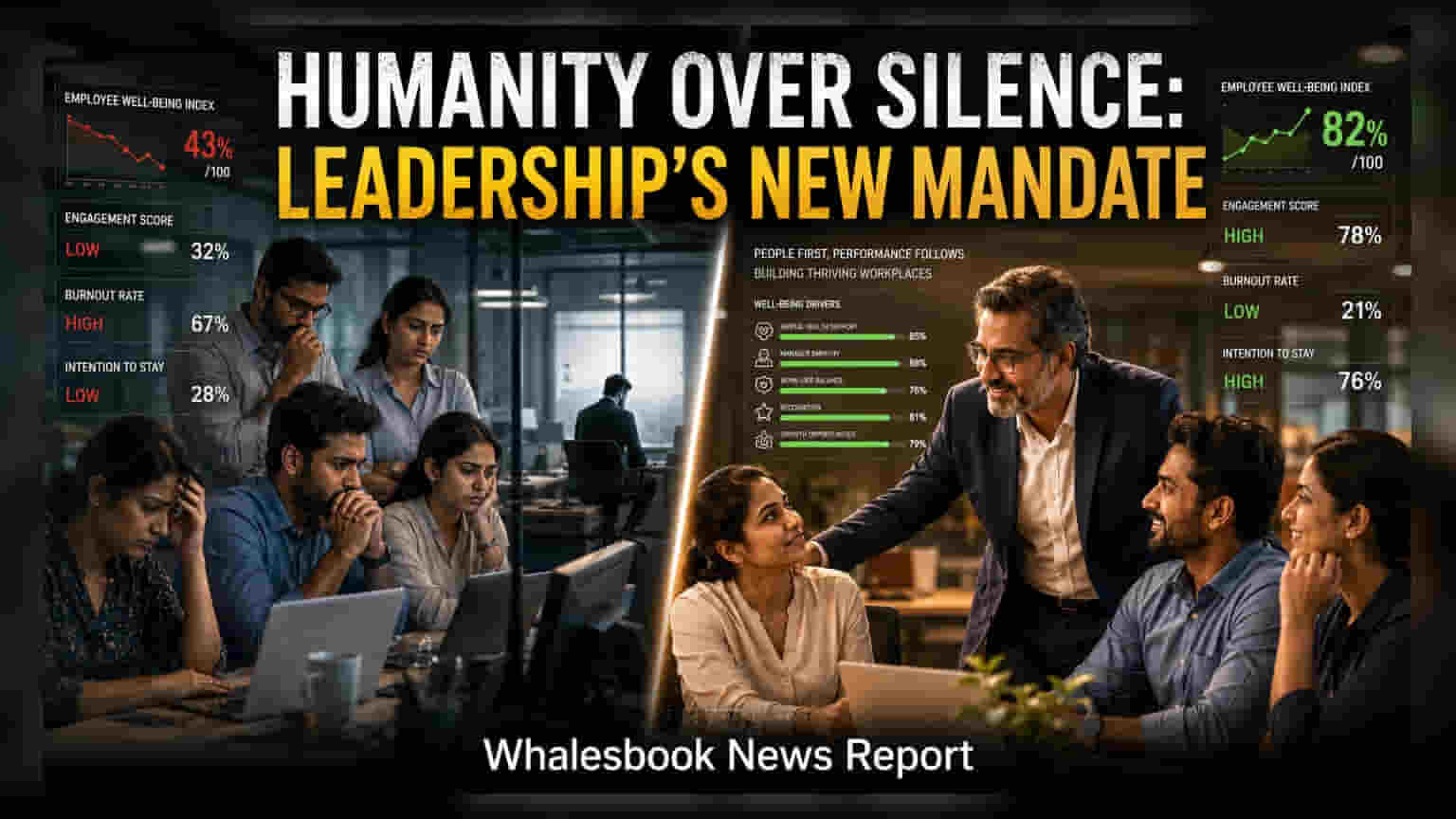
Neerja Birla, founder of Mpower, stresses that workplace mental health support is crucial for long-term organizational success. With data showing only one in ten Indian employees has access to mental health programs, she emphasizes that leadership must shift from awareness to active support to improve retention and performance.
Detailed Coverage
Neerja Birla, founder of the Mpower initiative under the Aditya Birla Education Trust, is advocating for a fundamental shift in how Indian businesses approach employee well-being. According to her, leadership in the coming years will be defined by the ability to foster psychological safety, moving beyond traditional metrics to prioritize the emotional resilience of the workforce.
While corporate India has made progress in discussing mental health compared to a decade ago, the transition from awareness to consistent, actionable policy remains incomplete. Birla points to a significant gap in the current landscape: although nearly half of the Indian workforce reports struggling with poor mental health, only about 10% currently have access to structured support programs within their organizations.
Linking Emotional Well-being to Business Performance
The business case for investing in employee well-being is increasingly tied to operational stability. Research and organizational studies suggest that when companies implement open dialogues and provide resources for mental health, they see high satisfaction rates—often exceeding 90%—among participating employees. These initiatives are not merely social benefits but strategies that directly impact tangible business outcomes, such as employee retention, engagement, and long-term productivity.
Birla argues that traditional views of return on investment, which focus primarily on short-term output, should be expanded. She suggests that mental well-being serves as the bedrock for innovation and collaboration. Employees who operate in environments that feel safe and supportive are better equipped to engage in creative problem-solving and effective teamwork, qualities that are essential for any business operating in a competitive environment.
The Leadership Challenge in Execution
The most pressing challenge for Indian organizations is the move from policy creation to daily execution. Meaningful change requires that mental health support is not treated as a peripheral HR task but as a core leadership responsibility. This involves equipping managers with the skills to recognize signs of distress and facilitating a culture where employees can seek help without the fear of negative career repercussions or judgment.
Furthermore, the data highlights specific areas that require leadership attention, such as gender-based disparities. Women in the workforce often face the dual pressure of professional responsibilities and societal expectations, which contributes to higher reported mental health risks. Birla emphasizes that inclusive leadership must actively address unconscious biases and implement support systems like flexible work arrangements and caregiver assistance to sustain a diverse workforce.
For investors and market participants, the focus remains on how companies integrate these soft-skill frameworks into their broader operational strategy. As India looks toward future economic goals, the ability of management teams to build emotionally capable organizations may become a key metric for evaluating long-term operational health and the sustainability of human capital.