

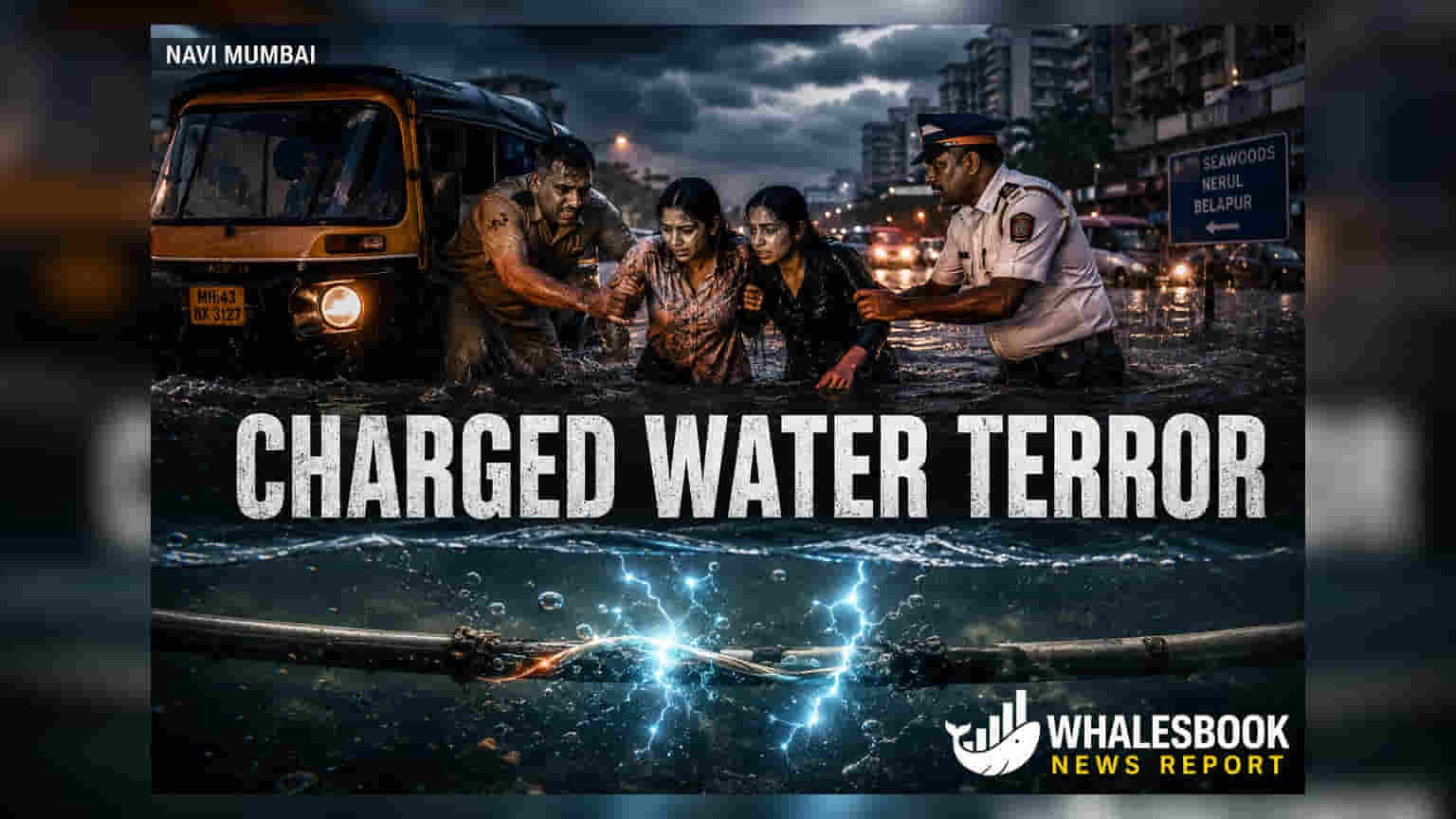
Two college students were hospitalized in Nerul, Navi Mumbai, on July 2 after suffering electric shocks in waterlogged streets. The incident, suspected to be caused by an exposed underground cable, raises concerns about civic infrastructure maintenance and safety standards that can influence regulatory oversight in urban development projects.
What Happened
Two college students were hospitalized on July 2 after suffering electric shocks while walking through waterlogged streets in the Nerul area of Navi Mumbai. The incident occurred near the Nerul LP Bridge on the Sion-Panvel Highway during heavy monsoon rains. Local reports and witnesses suggest the water became electrically charged, likely due to an exposed underground electricity cable coming into contact with the floodwater. Quick action by locals and a traffic constable, who used a tree branch to move the victims away from the area, prevented a more tragic outcome. Emergency services, including the Maharashtra State Electricity Board and local fire brigade, were deployed to secure the site and investigate the cause.
Infrastructure Safety And Investor Context
For investors in the infrastructure, construction, and utility sectors, such incidents serve as a reminder of the critical importance of maintenance standards in urban environments. While this event involves a public utility board, safety incidents in civic projects often have broader implications. They can lead to heightened public pressure for audits, stricter safety compliance enforcement, and delays in project timelines. Infrastructure companies and civic contractors often face increased operational and reputational risk when safety protocols, such as proper cable insulation and drainage maintenance, are insufficient to handle extreme weather conditions.
The Risk Of Operational Delays
Incidents related to poor maintenance can trigger immediate regulatory responses, including safety inspections, work stoppages on related projects, and increased scrutiny of maintenance contracts. For private players involved in city-level infrastructure, these events can complicate the project lifecycle. Stricter compliance requirements may increase operational costs and extend the time needed for project execution, which can ultimately impact the financial performance of companies involved in urban development and utility maintenance.
What Investors May Track
Investors in the urban infrastructure and utility space often watch for developments in civic policy, such as announcements regarding new safety audits, increased allocation for infrastructure maintenance, or stricter compliance mandates. The primary monitorables for this sector include the outcome of safety investigations, any changes in maintenance tender requirements by municipal bodies, and the ability of companies to manage operational risks in high-rainfall regions. These factors can influence how regulatory bodies approach future project approvals and contract renewals.