

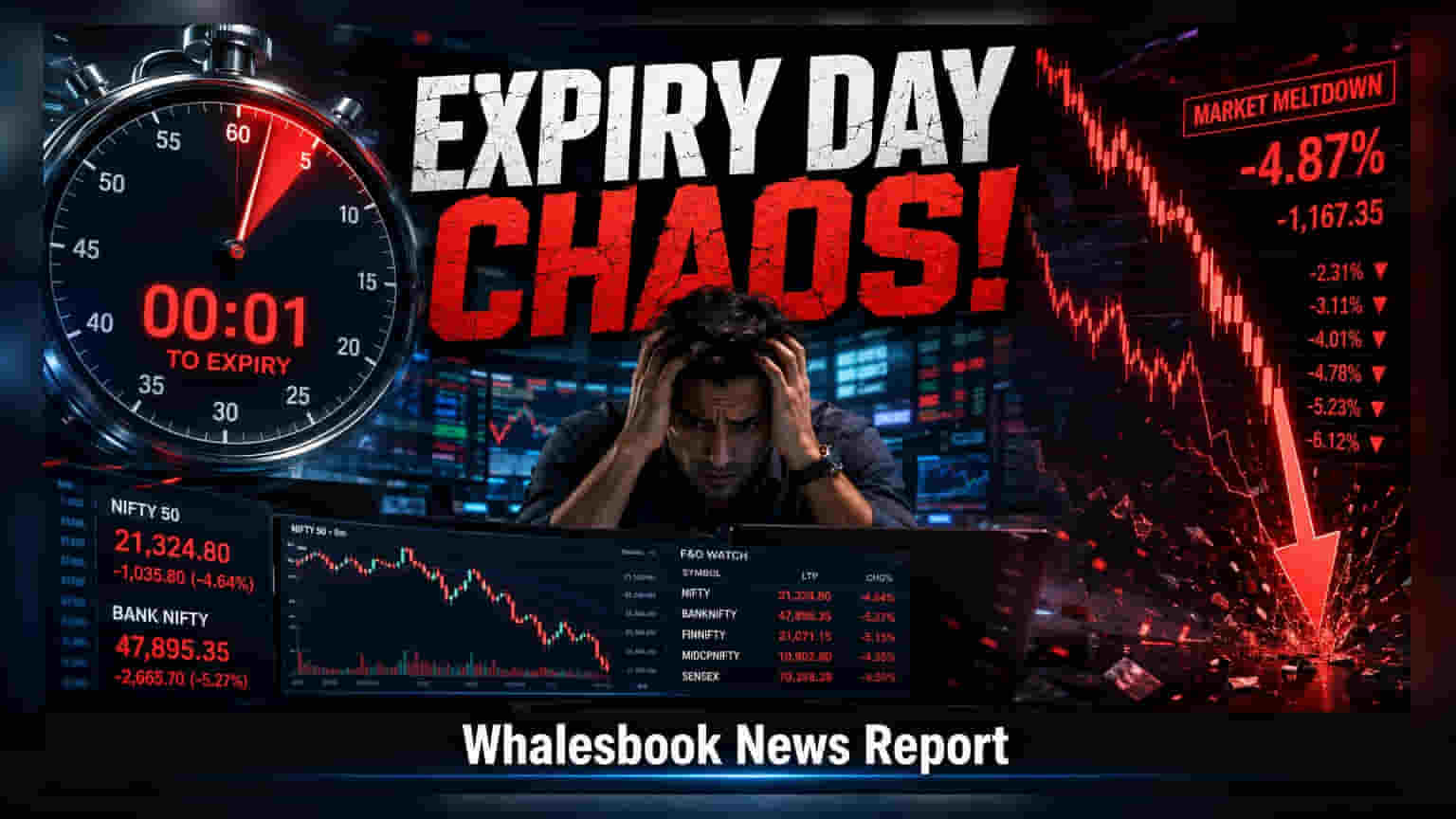
As of August 3, 2026, the NSE and BSE have introduced a Closing Auction Session for F&O-eligible stocks, ending the long-standing Volume Weighted Average Price method. This fundamental shift changes how closing prices are set and extends derivative trading hours until 3:40 PM, requiring traders to adapt their strategies to the new price discovery mechanism.
The landscape for Futures and Options (F&O) trading in India underwent a major change on August 3, 2026, with the introduction of a new Closing Auction Session (CAS). This mechanism replaces the long-standing Volume Weighted Average Price (VWAP) method that previously determined the official closing price of F&O-eligible stocks.
Under the new system, continuous trading for these stocks now concludes at 3:15 PM. Instead of the closing price being calculated based on trades between 3:00 PM and 3:30 PM, it is now determined by an equilibrium price discovered during the auction session. This process aims to create a more transparent price discovery phase at the end of the trading day.
To ensure traders have enough time to manage their positions in light of this change, the exchange has extended derivative trading hours by 10 minutes. F&O contracts now close at 3:40 PM, rather than the previous 3:30 PM cutoff. The trade modification window remains unchanged, ending at 4:15 PM.
Impact on Trading Strategies
Many traders historically relied on the final 30 minutes of trading to gauge closing levels, often using VWAP-based scalping strategies to predict or influence price movements. With the elimination of this calculation method, these old strategies are no longer effective. The shift to an auction-based close means the official closing price is now determined by a single equilibrium, which can lead to unexpected price swings that differ from the trends seen during the continuous trading session.
This change introduces a period of adjustment for the market. During the initial transition, participants may experience higher volatility during the 3:15 PM to 3:35 PM window. Because the cash market and derivatives market closing times are now slightly desynchronized, there is a risk of temporary divergence where derivative prices may not perfectly align with the underlying cash stock price until the auction concludes.
Managing Risk in the New System
Market participants are now evaluating how to navigate this new structure. Because the auction mechanism behaves differently than continuous trading, reliance on past data patterns from the VWAP era may lead to incorrect assumptions. A prudent approach involves observing the new auction behavior over several expiry sessions to understand how order flow and liquidity shift during these final minutes.
Traders are increasingly looking toward defined-risk strategies, such as using spreads, to limit exposure to sudden price movements that can occur during the auction process. The focus is shifting away from rapid scalping toward a more data-driven approach that prioritizes risk management over attempting to predict the exact closing price.