

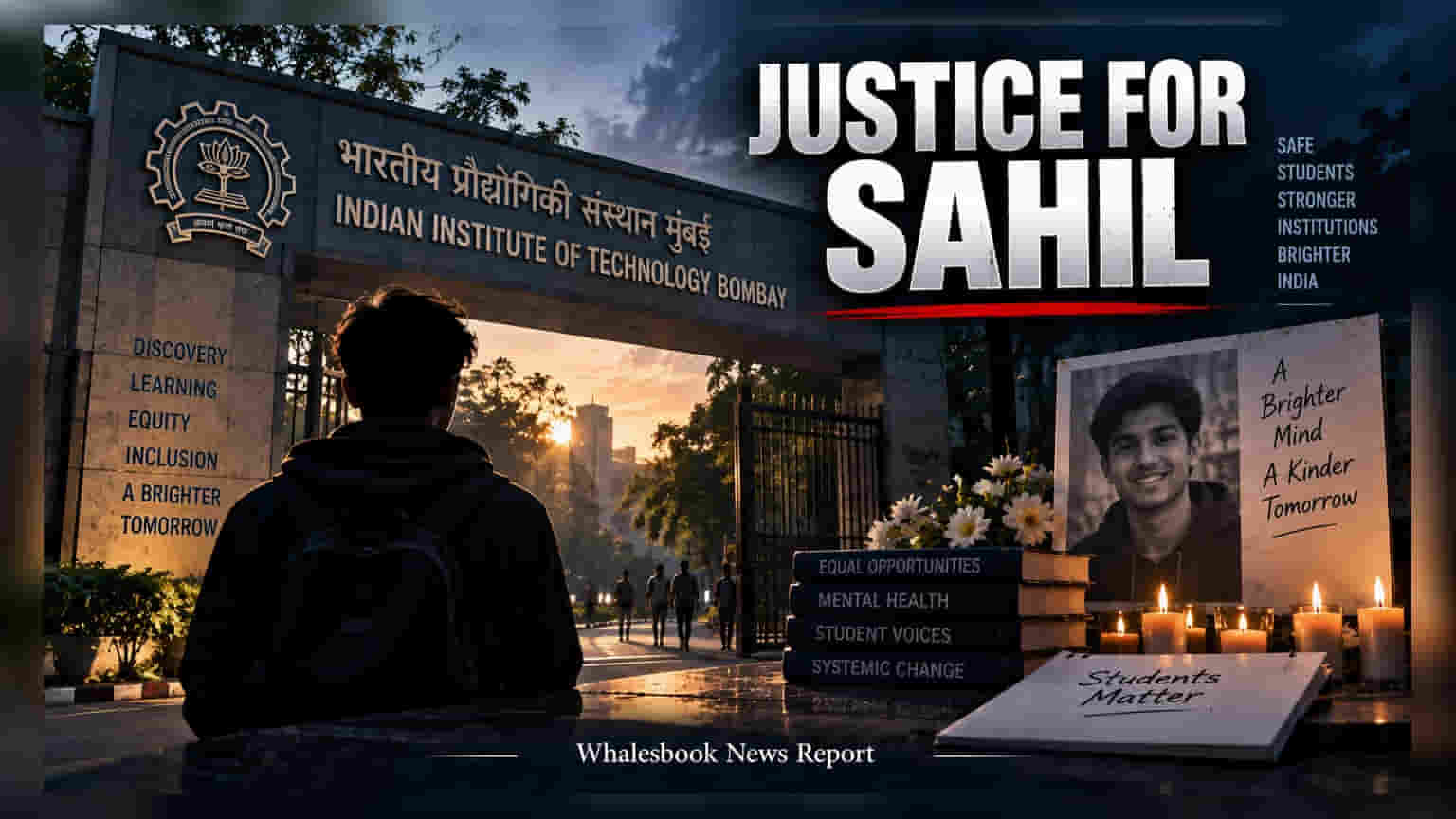
The Mumbai Crime Branch is investigating the death of a 22-year-old IIT Bombay student, focusing on allegations of harassment. The institute faces scrutiny after retracting earlier claims regarding exam malpractice.
The Mumbai Crime Branch has launched a formal investigation into the death of 22-year-old Sahil Wakode, a student at the Indian Institute of Technology (IIT) Bombay. Investigators are currently gathering evidence to understand the circumstances that led to the event. As part of the inquiry, authorities have recorded statements from six individuals, including three of the student’s peers. The probe aims to establish a clear timeline and verify claims regarding the academic and social environment within the institution.
Institutional Governance and Scrutiny
The administration at IIT Bombay has come under significant pressure following the incident. Initially, the institute linked the student's death to potential examination malpractice. However, the management later retracted this statement, admitting it was premature and inappropriate. This reversal has raised questions about the institute's crisis management and its handling of student welfare issues. The retraction of such a sensitive claim has forced the administration to prioritize transparency as it now awaits the final findings of the official police investigation.
Impact on Academic Reputation
The ongoing situation reflects broader governance challenges that top-tier educational institutions face when handling student grievances and allegations of discrimination. This case is drawing parallels to past incidents at the institute, such as the 2023 death of student Darshan Solanki, which also triggered national discussions on the academic environment and systemic discrimination. For stakeholders, these recurring issues highlight a need for robust grievance redressal mechanisms and improved institutional oversight. The reputational impact of such events can influence how students, faculty, and the public view the institute’s commitment to an inclusive and safe environment.
Political and Social Context
Political attention has intensified following direct outreach from the Leader of the Opposition, Rahul Gandhi, who has pledged support to the family of the deceased. The involvement of political figures has transformed the incident into a wider debate regarding student safety and systemic reform in higher education. Advocacy groups and student organizations are monitoring the situation closely, demanding a thorough probe into allegations of caste-based harassment.
What to Monitor Next
The key focus for observers will be the conclusion of the Mumbai Crime Branch investigation. The report will likely determine the validity of the harassment allegations and the potential need for administrative accountability at the institute. Investors and observers interested in institutional governance will look for updates on any policy changes or reforms introduced by the IIT administration in response to these ongoing concerns. The timing of the final police report and the subsequent response from the Ministry of Education remain the primary factors that will shape the discourse around institutional reform.