

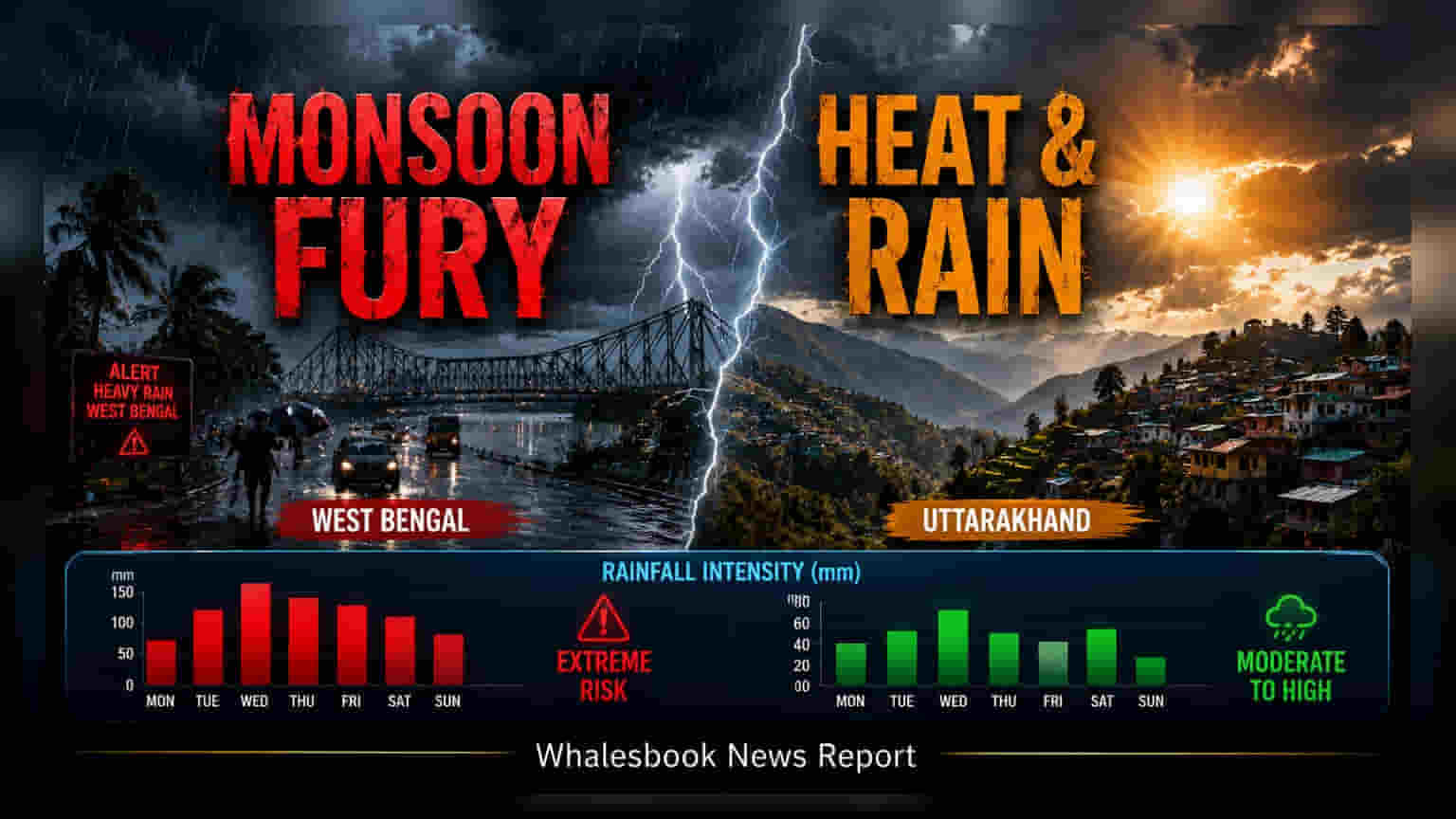
The IMD has issued a Red Alert for Sub-Himalayan West Bengal and Sikkim due to expected heavy rainfall exceeding 204.5 mm. These weather conditions may impact agricultural operations and local infrastructure, requiring farmers and businesses in the region to monitor potential disruptions to logistics and crop health.
The India Meteorological Department (IMD) has issued a Red Alert for Sub-Himalayan West Bengal and Sikkim, warning of extremely heavy rainfall that may exceed 204.5 mm in the coming 24 hours. This intense weather activity is driven by a low-pressure system currently centered over Gangetic West Bengal, which is interacting with an active monsoon trough stretching from Amritsar to the northeast Bay of Bengal.
Impact on Regional Infrastructure and Agriculture
Beyond West Bengal and Sikkim, several other states are under heightened weather alerts. Arunachal Pradesh, Assam, Meghalaya, Chhattisgarh, and Uttarakhand are currently under an Orange Alert, anticipating heavy rainfall between 115.6 mm and 204.4 mm. These conditions raise the risk of flash floods, landslides, and significant waterlogging, which can disrupt transport logistics, supply chains, and power distribution in affected areas.
For the agricultural sector, the IMD has advised farmers to ensure adequate drainage in fields to prevent crop damage. The weather agency has specifically recommended postponing pesticide and fertilizer applications during periods of extreme rainfall to avoid runoff and loss of efficacy. While the monsoon is essential for the kharif crop cycle, excessive and concentrated rainfall in a short duration can lead to localized damage, particularly for standing crops in low-lying areas of eastern and central India.
Maritime and Weather Hazards
Coastal and maritime operations are also facing restrictions due to the weather. The IMD has warned fishermen against venturing into the central Arabian Sea and parts of the Bay of Bengal, where strong winds and rough sea conditions persist. Additionally, states like Telangana may experience gusty winds reaching up to 60 kmph, which adds a layer of operational risk for infrastructure and outdoor industrial activity in those regions.
While eastern and northern India deal with heavy precipitation, Delhi-NCR continues to experience humid and hot weather with only isolated light showers, highlighting a clear regional divide in the current monsoon pattern. Investors and stakeholders should monitor regional agricultural output reports and logistics updates, as prolonged heavy rain in these specific zones can occasionally lead to temporary supply chain bottlenecks or localized price volatility for perishables. The IMD is expected to provide updated forecasts as the low-pressure system shifts, which will be the next key monitorable for assessing the long-term impact on regional harvest yields.