

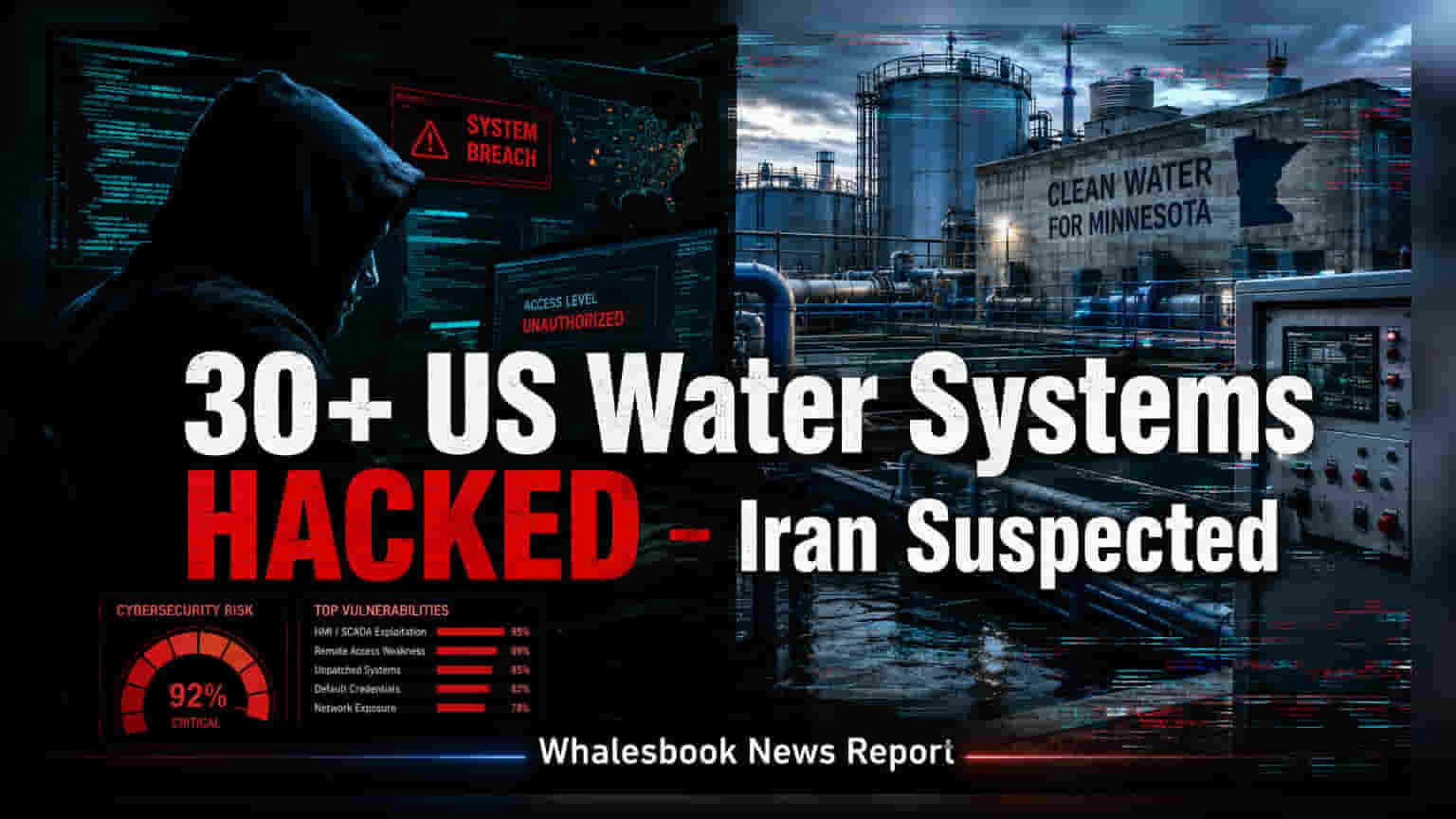
Federal authorities are investigating cyberattacks that disrupted over 30 water systems in Minnesota earlier this week. While no harm to water quality or residents occurred, the incident highlights growing security risks to critical infrastructure. The investigation follows previous warnings from U.S. agencies regarding potential state-sponsored hacking threats against essential public utility services.
Federal and state investigators are currently examining a series of cyberattacks that targeted more than 30 water and wastewater treatment facilities across Minnesota. The incidents, which occurred over Sunday and Monday, led to temporary operational disruptions, prompting an immediate investigation by the Federal Bureau of Investigation. While the bureau has not officially named a perpetrator, the event has reignited concerns regarding the vulnerability of critical infrastructure.
Security Risks to Utility Infrastructure
The targeted facilities faced technical disruptions that in some instances required manual intervention. For example, the city of Braham briefly requested that residents conserve water after the shutdown of well and treatment plant controls. Similarly, systems in Plymouth experienced communication losses that were restored by Tuesday afternoon. Officials have confirmed that throughout these events, there was no reported compromise to water quality or direct health impact on residents.
This incident follows recent joint security advisories issued by the FBI and the Cybersecurity and Infrastructure Security Agency. These agencies have previously cautioned that various threat actors are increasingly targeting operational technology within the water and wastewater sectors. Experts point out that many such local utility systems often lack the advanced cybersecurity budgets or dedicated teams seen in larger private enterprises, making them potential targets for disruption.
Geopolitical Context and Future Monitoring
Security analysts and former officials have noted that infrastructure targeting is often consistent with the tactics used by groups seeking to cause operational anxiety. Because the attacks across Minnesota shared similarities in timing and the specific technology exploited, investigators are working to determine if a single entity was responsible for the coordinated activity.
For investors and stakeholders in the technology and utility sectors, this event underscores the growing importance of cybersecurity spending. As critical infrastructure becomes more digitized, the demand for robust security solutions, threat detection, and resilient operational controls is expected to remain a significant area of focus. The next stage of this investigation will likely involve forensic reports on how these systems were accessed and whether additional utilities in other regions may be at risk. Market watchers will track any potential policy changes or federal funding allocations aimed at hardening the cybersecurity posture of local and municipal utility providers.