

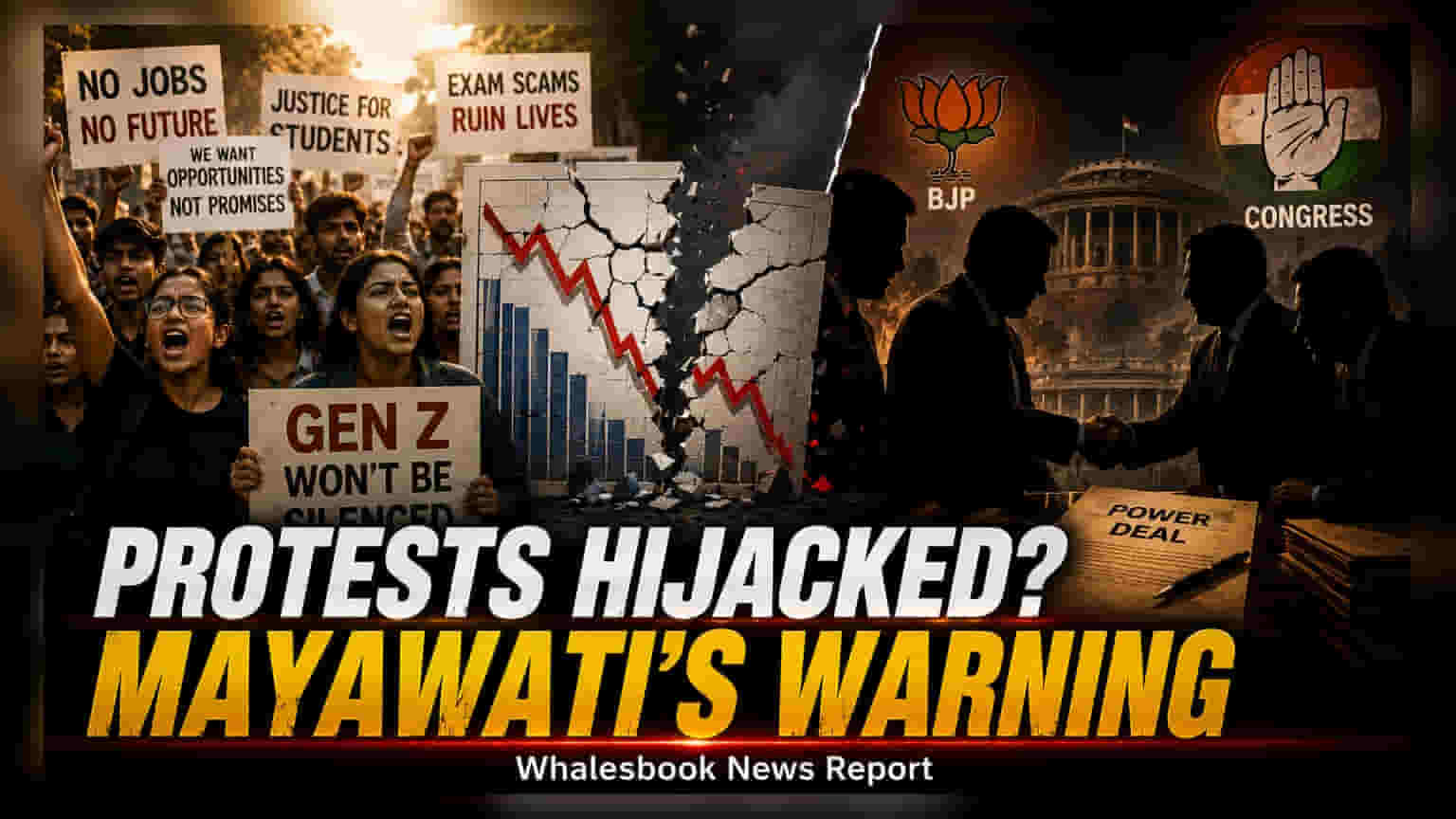
BSP leader Mayawati has accused major political parties of exploiting student protests for electoral advantage. During her recent address, she also advocated for extending reservation policies to the private sector. This development highlights evolving political discourse ahead of upcoming assembly elections in states like Uttar Pradesh.
Bahujan Samaj Party (BSP) supremo Mayawati addressed the media in Lucknow on August 11, 2026, cautioning students and Generation Z to remain vigilant against political maneuvering. She alleged that major political parties, specifically the BJP and the Congress, are attempting to hijack youth-led protests for their own political agendas rather than addressing core grievances such as unemployment and examination irregularities.
Political Allegations and Parliamentary Conduct
Mayawati specifically pointed to recent student demonstrations in Delhi and Ranchi as examples of protests being co-opted by political entities. The BSP leader further claimed that frequent disruptions observed in Parliament might be the result of an internal understanding between the ruling and opposition parties. She suggested that these parliamentary interruptions serve as a strategic distraction to divert public attention away from governance failures and economic challenges.
Impact on Policy Discourse
Beyond the accusations regarding protest movements, Mayawati reiterated her stance on the reservation system. She asserted that existing quotas for Scheduled Castes (SC), Scheduled Tribes (ST), and Other Backward Classes (OBC) are being undermined. Significantly for the corporate sector, she advocated for the extension of reservation benefits to the private sector. This proposal, while a consistent part of the BSP’s political platform, remains a topic of long-standing debate among policymakers, industry bodies, and labor unions.
For the private sector, any legislative push or sustained political advocacy toward reservation mandates typically draws attention from HR and legal departments, as it could fundamentally alter recruitment and workforce composition policies. While such calls are currently part of the pre-election political discourse, investors often monitor these narratives as they can signal shifts in the legislative agenda regarding labor and industrial relations.
Context of Upcoming Elections
Mayawati’s statements come as political activity intensifies ahead of upcoming assembly elections in Uttar Pradesh, Uttarakhand, and Punjab. The BSP is positioning itself as a party focused on the welfare of marginalized communities, including Dalits, tribals, and minorities, while simultaneously criticizing the current promotion of private institutions over public-sector employment.
The key monitorable for market participants remains the evolution of these policy positions into legislative proposals. While current political statements reflect campaign rhetoric, investors and corporate stakeholders generally track the potential for such demands to impact future governance frameworks and the operating environment for private companies.