 Whalesbook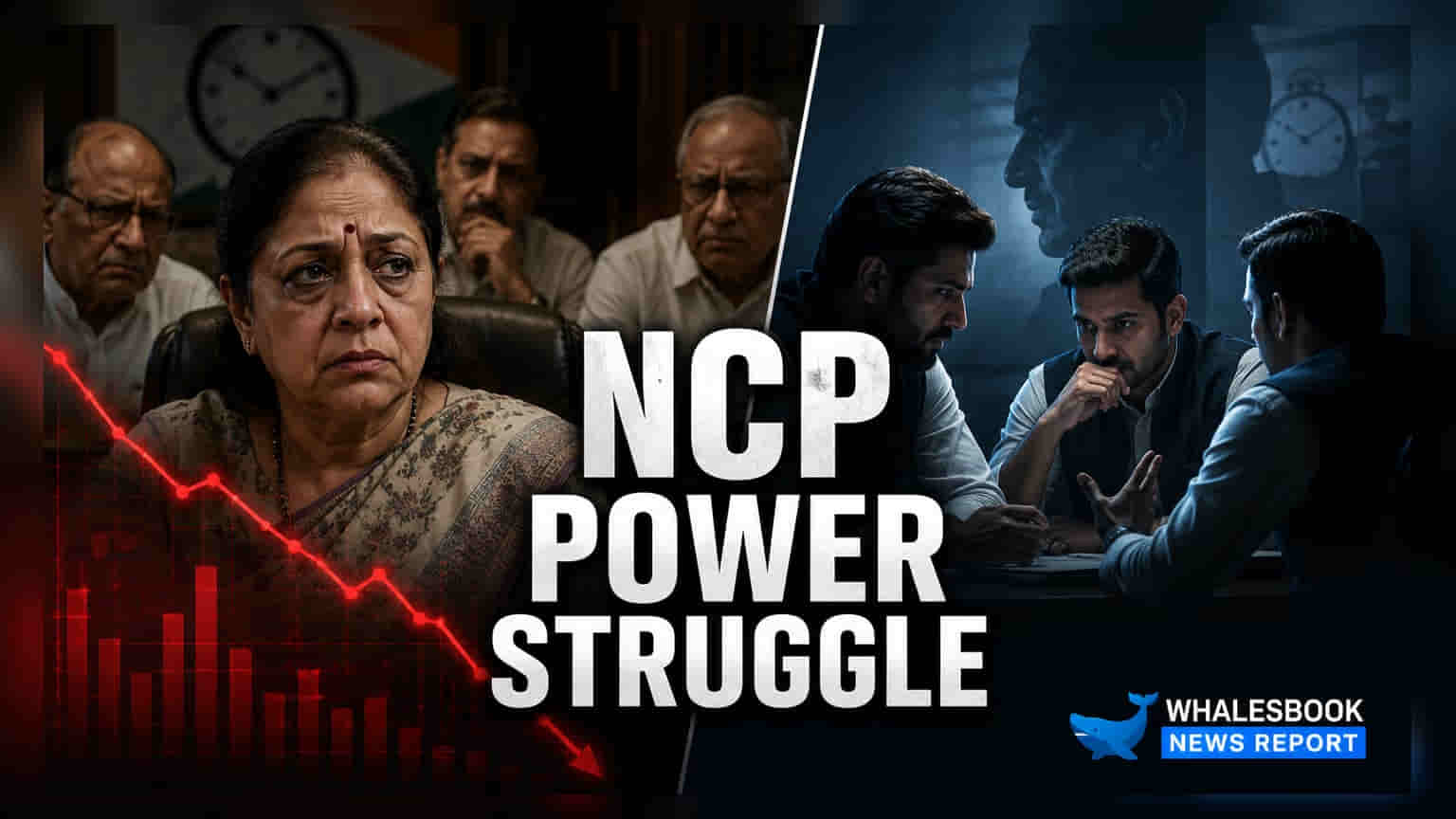


The Power Vacuum and Strategic Drift
The internal cohesion of the Nationalist Congress Party has deteriorated into a structural crisis that threatens the stability of the ruling Mahayuti coalition. The vacuum created by the sudden passing of former deputy chief minister Ajit Pawar has dismantled the central authority that previously balanced disparate regional interests. Sunetra Pawar’s attempt to transition into the deputy chief minister role and central leadership has been met with persistent resistance from legacy party figures. This failure to centralize power has allowed generational tension to manifest, as the entry of the younger Pawar generation into executive party functions has antagonized senior leadership. The resultant policy paralysis leaves the organization vulnerable, providing the Bharatiya Janata Party with significant leverage to dictate coalition terms as the dominant entity in the Maharashtra administration.
Strategic Realignment in Odisha
Beyond Maharashtra, regional instability remains a common theme in the current political climate. The recent strategic induction of Biju Janata Dal Rajya Sabha member Debashish Samantaray into the BJP ranks highlights a broader tactical shift orchestrated by Union Education Minister Dharmendra Pradhan. This maneuver effectively functions as a dual-purpose instrument: it strengthens the party’s upper-house voting block while simultaneously creating a distraction from ongoing controversies regarding the NEET-UG examination integrity. The orchestration of this move—conducted with minimal prior disclosure to state-level leadership like Chief Minister Mohan Charan Majhi—demonstrates a clear shift toward centralized Delhi-led decision-making, signaling to state leaders that their tenure is increasingly contingent upon compliance rather than regional mandate.
The Erosion of Opposition Integrity
In Assam, the legislative adoption of the Uniform Civil Code marks a decisive continuation of the BJP’s policy agenda. However, the accompanying political narrative reveals deeper fissures within the opposition. Chief Minister Himanta Biswa Sarma’s public dissection of the Congress party's electoral failures suggests a level of intelligence gathering that extends into the opposition’s internal research and communications wings. By publicly disclosing that internal Congress talking points regarding the UCC were circulating among BJP leadership, the administration has effectively weaponized paranoia within the opposition ranks. The mounting pressure to identify internal leaks or potential defectors threatens to paralyze the Congress party’s strategic operations, further cementing the current government’s legislative momentum across multiple state assemblies.