

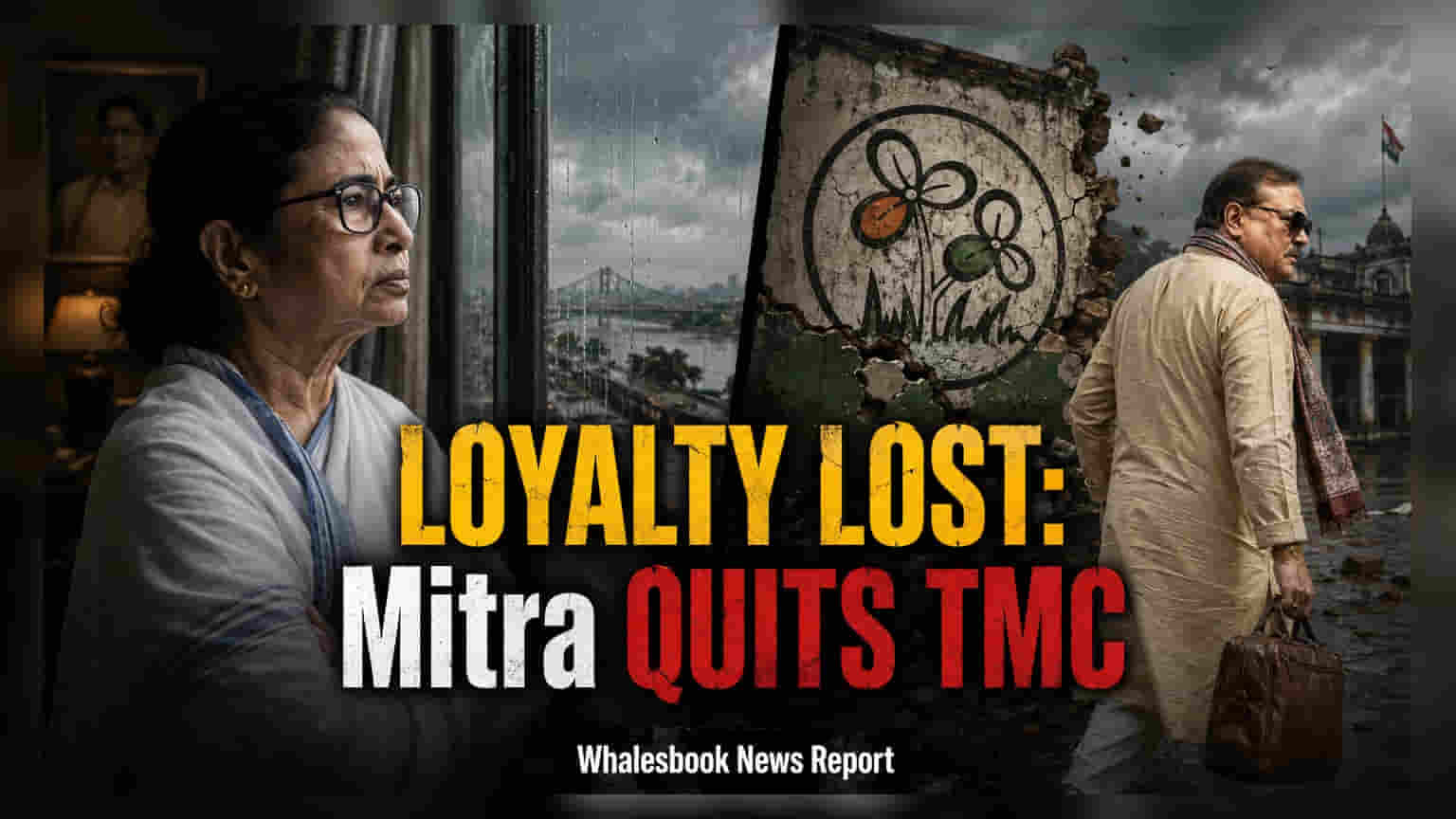
Long-time Trinamool Congress leader Madan Mitra has resigned, citing organizational ineffectiveness. This departure is a symbolic blow to Chief Minister Mamata Banerjee amid ongoing internal dissent. While the exit does not change the current legislative numbers, it marks a significant shift in the loyalty landscape of West Bengal politics.
Madan Mitra, a senior MLA and one of the earliest associates of West Bengal Chief Minister Mamata Banerjee, has officially resigned from the Trinamool Congress (TMC). Mitra, who played a foundational role in the party's formation in 1998, stated that he felt unable to contribute effectively within the current party structure. This resignation comes during a period of internal challenges for the ruling party in West Bengal, which has seen several leaders exit over the past few years.
Historical Ties and Political Evolution
Mitra’s political association with Mamata Banerjee dates back to their time in the Indian Youth Congress. He was a key figure during the party's formative years, often acting as a bridge between the leadership and the organizational base. His career trajectory was marked by significant influence, serving as a General Secretary and holding the position of President of the Trinamool Youth Congress. His influence was instrumental in establishing the party's presence in various districts, making him a central figure in the party's early expansion strategies.
Past Legal and Professional Challenges
Mitra's political career has not been without controversy. In 2015, he was involved in legal proceedings related to the Saradha chit fund case, which resulted in his arrest and subsequent resignation from his ministerial position at the time. Despite these challenges, he maintained his legislative seat and continued to remain active in the party. Over the last few years, Mitra also pursued interests outside of politics, including a brief foray into the film industry in 2023, which occasionally drew commentary from party leadership regarding his public image.
Symbolic Meaning for the TMC
While Mitra's departure does not impact the party's current strength in the legislative assembly, it carries symbolic weight. Historically, departures of long-term loyalists have often been interpreted by political analysts as a sign of deeper, systemic issues regarding internal communication and trust. The TMC has recently faced a series of defections from various levels of its leadership, and Mitra’s exit is seen as a continuation of this trend. For investors and observers tracking the political environment in West Bengal, the primary monitorable remains whether this resignation triggers further movement among other senior party figures or if the leadership can stabilize its internal ranks ahead of future electoral cycles.