

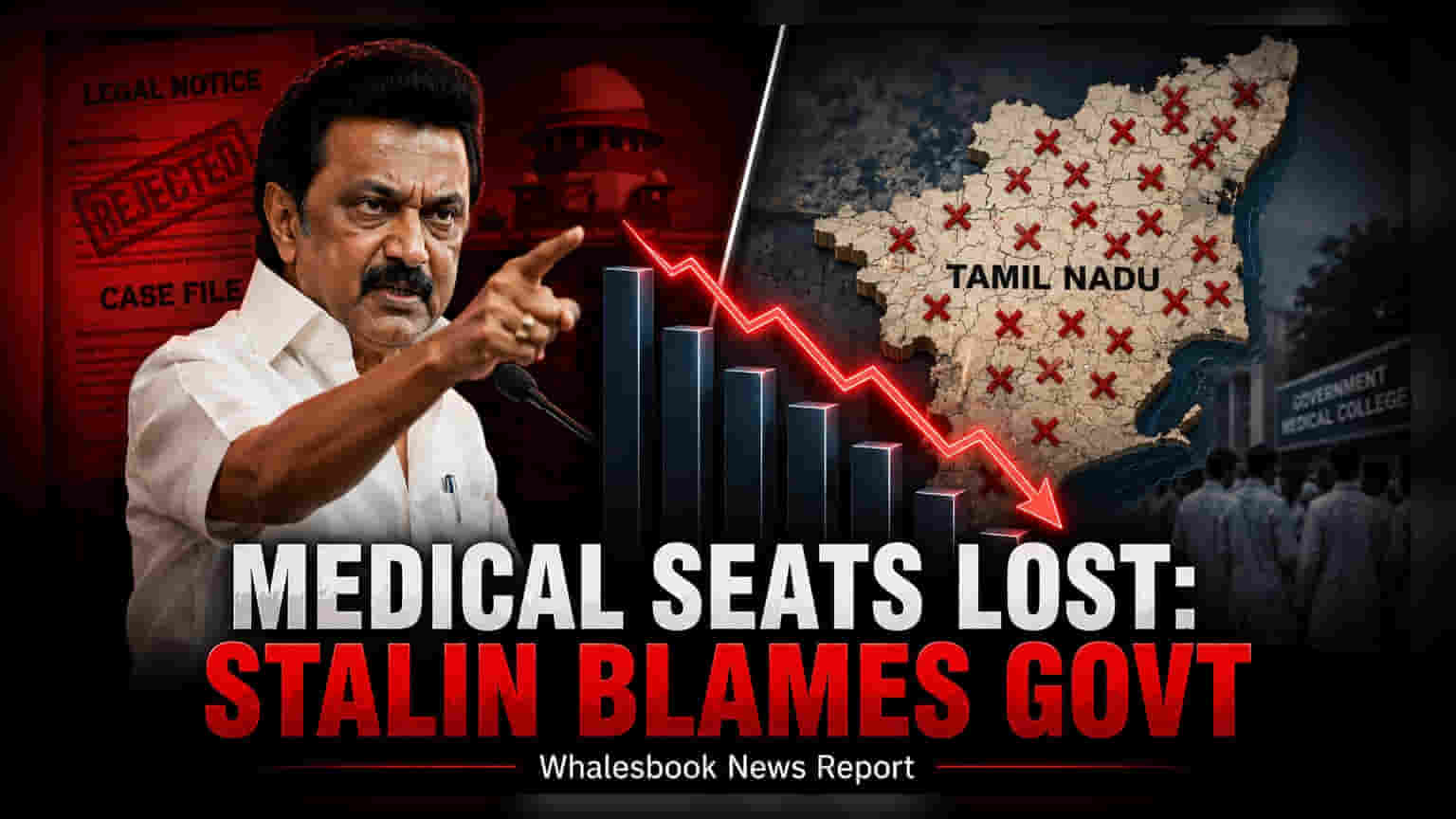
Former Tamil Nadu CM MK Stalin has accused the state government of losing 151 super-specialty medical seats to the All India quota. Stalin claims this loss, resulting from alleged legal negligence, could harm the state's public healthcare system and future doctor availability.
Former Tamil Nadu Chief Minister MK Stalin has publicly criticized the current TVK government regarding the loss of 151 super-specialty medical seats. The issue involves the allocation of these seats to the All India quota, a move that the former Chief Minister alleges is the result of administrative and legal failure.
Allegations Concerning Legal Handling
Stalin stated that the state government's legal team failed to present a robust argument during the relevant Supreme Court proceedings. He questioned why there was a delay in appointing senior legal counsel to represent Tamil Nadu's interests. According to his statement, this perceived lack of preparation at the start of the legal process allowed the transfer of these seats to the national pool.
Questions on Counseling and Policy
The controversy also centers on the procedural handling of medical seat counseling. The former Chief Minister asked whether the state government had prematurely marked 151 super-specialty seats as vacant prior to the commencement of the second round of All India counseling. Additionally, he noted that the government did not introduce a specific resolution in the state assembly to oppose the transfer of these seats, despite public and political pressure to retain them for state-domiciled candidates.
Potential Impact on Healthcare Resources
The primary concern raised is the long-term impact on the state's medical infrastructure. Super-specialty seats are vital for training advanced medical professionals who often serve in government hospitals. The loss of these seats could mean fewer specialized doctors available to work within Tamil Nadu's public health system. This development has initiated a broader political debate regarding the state's strategy for protecting its educational quotas and ensuring that medical training resources remain accessible to local aspirants.
Future updates will likely focus on whether the state government provides a formal response to these allegations, explains the legal strategy used in court, or attempts to seek a remedy through further judicial or administrative channels.