

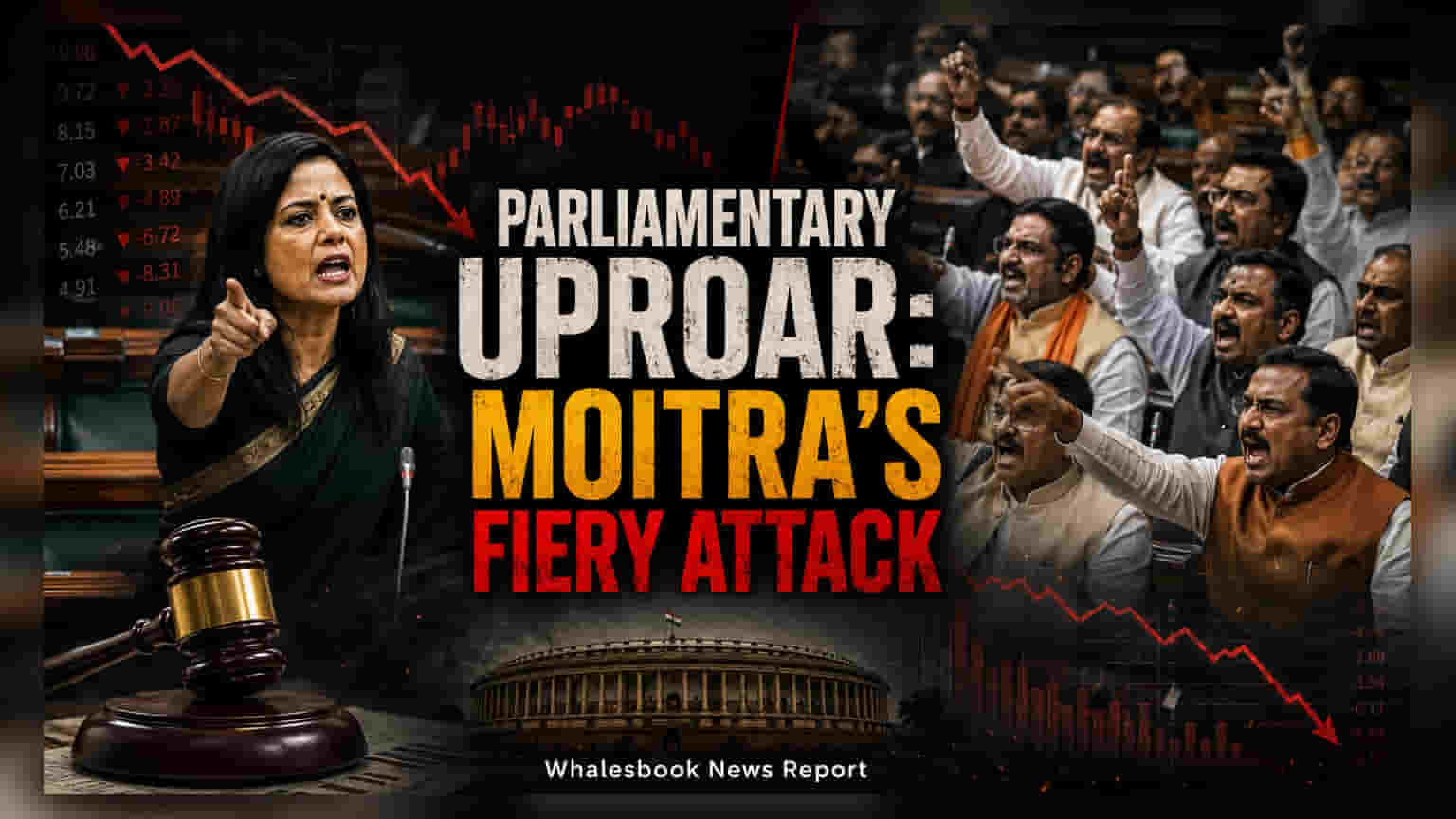
The Lok Sabha has passed the Public Examinations (Prevention of Unfair Means) Amendment Bill, 2026, amid significant legislative disruption. The bill introduces stricter penalties for paper leaks, including up to 10 years of imprisonment and heavy fines, to curb examination malpractices. Investors should note that the bill now proceeds to the Rajya Sabha for further consideration.
The Lok Sabha on Wednesday passed the Public Examinations (Prevention of Unfair Means) Amendment Bill, 2026, aimed at strengthening the legal framework against examination malpractices in India. The legislative process took place amid intense disruptions and heated exchanges between opposition members and the National Democratic Alliance (NDA) coalition.
Key Provisions of the Legislation
The newly passed amendment seeks to address systemic issues in public examinations by introducing severe deterrents. Under the proposed framework, individuals or organizations found guilty of facilitating paper leaks or engaging in unfair practices could face up to 10 years of imprisonment. Additionally, the legislation provides for significant monetary fines to ensure accountability. These measures are designed to protect the integrity of national examination processes, which have recently faced scrutiny following student protests regarding irregularities in major assessments such as the NEET examination.
Legislative Context and Parliamentary Proceedings
The passage of the bill via voice vote followed a day of significant parliamentary friction. During the debate, opposition leaders raised concerns regarding police actions and the government's approach to student protests. The session was marked by sharp criticisms exchanged between members of the opposition and the ruling alliance. Parliamentary Affairs Minister Kiren Rijiju notably called for the removal of certain expressions used by the Leader of Opposition during the session, which were subsequently expunged by the Speaker. While these incidents contributed to repeated adjournments and noisy proceedings, the legislative body successfully cleared the bill for its next stage.
Next Steps and Monitoring
With the bill now passed in the Lok Sabha, the legislation moves to the Rajya Sabha for consideration. For the education and testing sector, the primary monitorable remains the effective implementation of these stricter regulations once the bill receives final assent and becomes law. The impact of these penalties on the operational costs of examination conducting agencies and the broader regulatory environment for competitive testing will be the next key area for stakeholders to track as the legal process moves toward completion.