 Whalesbook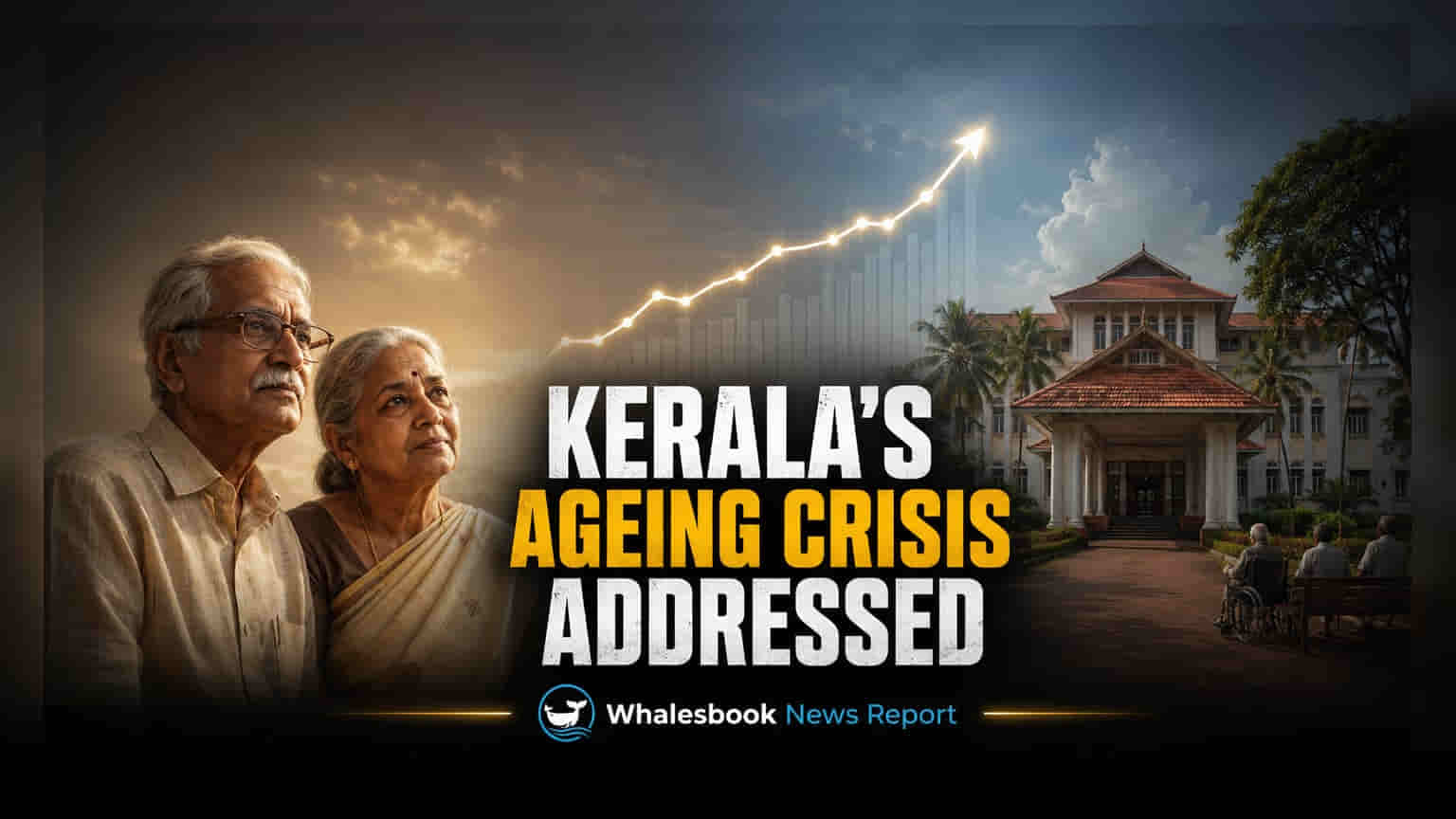


Institutionalizing the Demographic Shift
By creating a formal Department for Senior Citizens, Kerala is effectively pivoting from reactive welfare assistance to a proactive management strategy for its demographic transition. This move mirrors the structural transitions seen in East Asian economies where the ratio of working-age individuals to dependents has contracted sharply. The state’s demographic trajectory, projected to place nearly one-fourth of the population in the over-60 cohort by 2030, threatens to create a permanent drag on state productivity if the transition from an agrarian-service hybrid to an elderly-care economy remains unmanaged.
The Economic Implications of Care-Economy Shifts
Integrating the elderly into the formal economy via a centralized commission is a structural acknowledgment of a failing support ecosystem. Unlike previous ad-hoc welfare disbursements, this department is designed to centralize legal and healthcare oversight, effectively internalizing costs that were previously absorbed by informal family networks. Analysts note that while this mitigates the societal cost of elder neglect, it imposes a massive, long-term fiscal commitment on the state budget. The success of this model depends on the integration of a geriatric care workforce, a sector currently plagued by supply-side shortages and underdeveloped private-sector participation.
The Forensic Bear Case: Structural Risks
Despite the legislative intent, the state faces significant headwinds regarding implementation and fiscal solvency. The creation of a new bureaucracy often leads to inter-departmental friction, particularly between existing healthcare infrastructure and the newly empowered commission. Furthermore, the sustainability of funding is precarious; without a clear revenue-neutral mechanism, the fiscal burden could escalate as age-related chronic illnesses increase demand for public health resources. Additionally, the lack of a robust private-sector geriatric healthcare ecosystem suggests that the state may be forced to carry the full weight of these services, potentially crowding out other essential developmental expenditures. There is also the latent risk of legislative overreach, where the quasi-judicial nature of the commission might lead to protracted legal challenges regarding the enforcement of family support obligations, further complicating the already strained family-law dynamics in the state.
Future Outlook and National Implications
Kerala remains a bellwether for the rest of India. As national fertility rates decline, other states will eventually face similar, albeit delayed, demographic pressures. The state’s ability to successfully leverage a retired 'skill bank' to address human capital shortages will serve as the primary indicator for whether this initiative acts as a driver of economic efficiency or becomes a stranded fiscal asset. Policy watchers will monitor the state’s budget allocations over the next three fiscal cycles to determine if this department achieves true integration or remains a top-heavy administrative layer.