 Whalesbook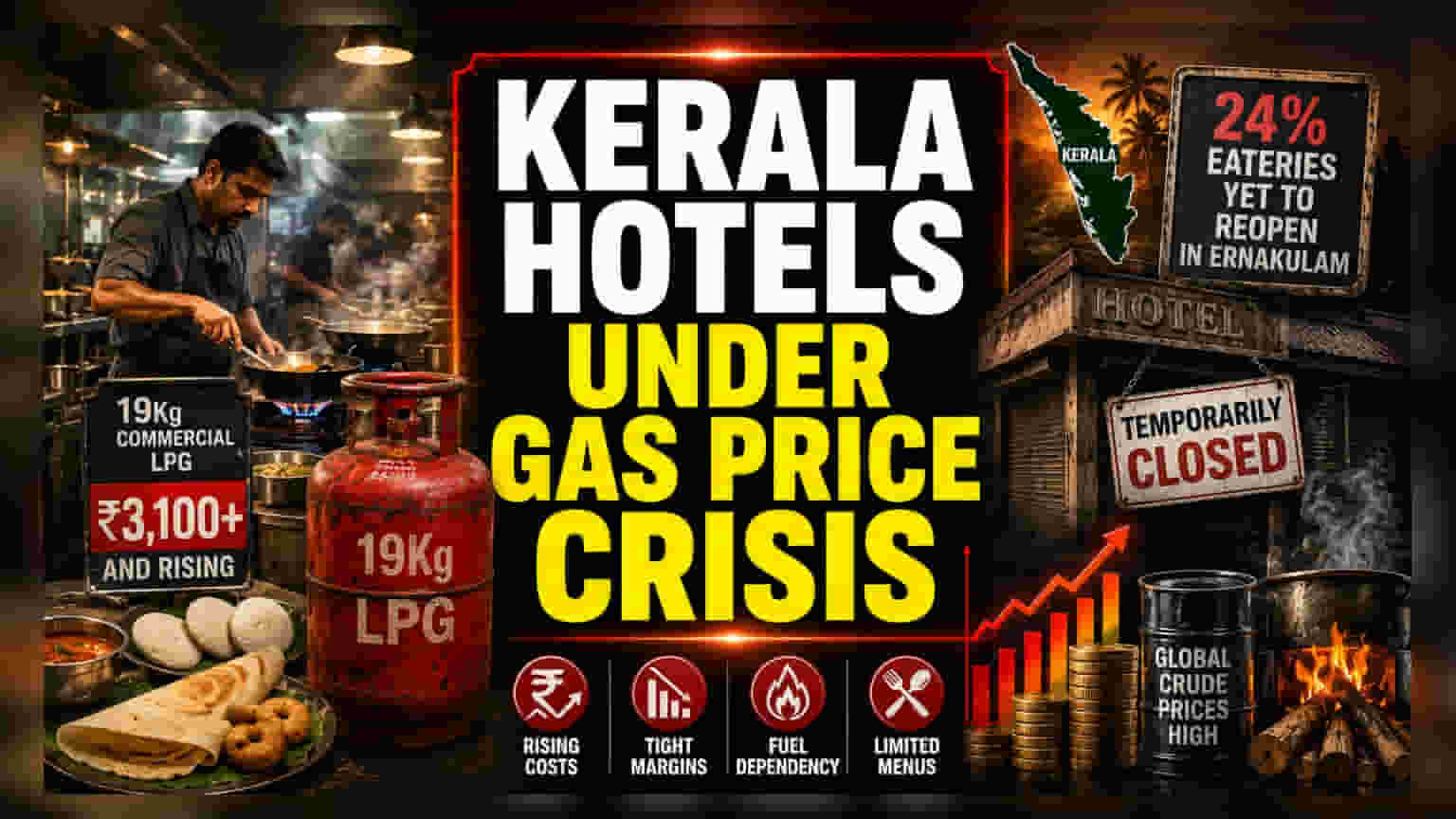


The Operational Squeeze
The survival of Kerala’s hospitality sector is currently being dictated by the volatile cost of commercial Liquefied Petroleum Gas (LPG). Following a series of sharp monthly revisions, the price of a 19-kg commercial cylinder has surged past the ₹3,100 threshold in major urban centers. This relentless climb in operational expenditure has rendered traditional, wide-ranging menus financially unviable for many micro, small, and medium enterprises (MSMEs). Faced with a choice between passing on costs to a price-sensitive consumer base or suffering debilitating margin compression, owners are increasingly choosing to simplify their offerings. By focusing on a limited selection of high-margin, low-gas-consumption items, businesses are attempting to stabilize their cash flow in an environment where nearly a quarter of establishments in districts like Ernakulam have been unable to resume operations since the latest price shocks.
Sectoral Vulnerability and Economic Fallout
The crisis exposes a deeper structural fragility within India’s food services industry. Unlike larger corporate chains that possess greater liquidity and bargaining power, smaller, independent eateries operate on razor-thin margins, often lacking the capital to absorb sustained input price hikes. While national services sector growth has remained robust, the ground reality for these small-scale entrepreneurs is marked by a cycle of temporary shutdowns, the adoption of inefficient alternative fuels like firewood, and a desperate search for operational efficiencies. The situation is further compounded by supply chain disruptions originating from geopolitical tensions in West Asia, which have kept international crude and LPG prices elevated, creating an inflationary headwind that complicates the broader monetary environment.
The Forensic Bear Case: Structural Risks
Investors and observers should remain cautious regarding the long-term viability of the unorganized food service segment under these conditions. The sector faces a multi-front threat: besides the direct impact of fuel costs, operators are burdened by an increasingly complex regulatory landscape, including stringent compliance requirements that often necessitate specialized legal or quality assurance teams which these small units lack. Furthermore, the reliance on an informal workforce and the lack of digital financial integration make these businesses exceptionally vulnerable to sudden economic shifts. A critical risk factor is the emergence of a black market for fuel, where cylinders are reportedly sold at premiums significantly above government-regulated rates, further draining the liquidity of struggling operators. If energy prices remain at these elevated levels, the ongoing consolidation within the industry—where only the most efficient or capitalized players survive—is likely to accelerate.
Future Outlook
Industry associations are actively lobbying for government intervention, including tax concessions and potential relief packages, to ease the burden on small-scale hospitality businesses. While state authorities have acknowledged the severity of the crisis and are monitoring the economic impact, a return to previous price levels remains unlikely in the near term given the dependency on global energy markets. Consequently, the trend toward leaner, more specialized menus is expected to persist as a permanent defensive strategy, forcing consumers to adjust to higher dining costs.